Background
Patients with Type 1 Diabetes (T1D) face a lifelong regimen of insulin injections for blood glucose management, alongside the constant risk of serious complications. A curative treatment for T1D would profoundly improve patients’ quality of life and significantly reduce healthcare burdens. Recent advancements in induced pluripotent stem cell (iPSC) technology have broadened its application beyond retinal and neurodegenerative diseases, making its potential for metabolic conditions like diabetes a tangible reality. With major players such as Vertex Pharmaceuticals also pursuing iPSC-derived cell therapies in this competitive arena, Century Therapeutics’ latest strategy marks a critical move to carve out a distinct position.
Key Findings: Century Therapeutics’ Strategic Pivot to Type 1 Diabetes Beta Islet Cell Therapy
Century Therapeutics has announced a strategic reorientation of its induced pluripotent stem cell (iPSC) platform, now concentrating exclusively on developing beta islet cell therapy for Type 1 Diabetes. This pivot is designed to address the substantial unmet medical needs of T1D patients. The company aims to deliver an ‘off-the-shelf’ cell therapy product by leveraging comprehensive immune evasion strategies and pioneering scalable manufacturing technologies. An Investigational New Drug (IND) application is slated for submission in late 2025, with initial clinical data anticipated in 2027. This ambitious initiative underscores the potential for iPSC-derived cell therapies to establish a new paradigm in chronic disease management.
Technical and Clinical Strategy: Addressing Core Challenges
- Type 1 Diabetes and iPSC-Derived Beta Islet Cells: Type 1 Diabetes results from the autoimmune destruction of the pancreatic beta cells responsible for insulin production. iPSC-derived beta islet cells offer a promising approach to target the disease’s root cause by restoring lost insulin-secreting capacity. These engineered cells are designed to accurately sense blood glucose levels and secrete insulin as needed.
- Crucial Role of Immune Evasion: A significant hurdle in allogeneic (donor-derived) cell transplantation is rejection by the recipient’s immune system. Century Therapeutics is tackling this by developing immune-evasive cell lines through genetic editing of iPSCs. This involves modulating the expression of immune checkpoint molecules or suppressing major histocompatibility complex (MHC) antigen expression, with the aim of reducing the need for systemic immunosuppressants and thereby lessening the burden on patients.
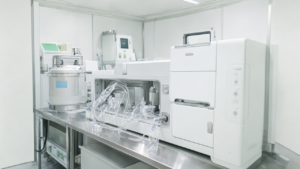
- Scalable Manufacturing Innovation: To make off-the-shelf products accessible to a broad patient population, establishing a GMP (Good Manufacturing Practice)-compliant process capable of high-volume, cost-effective production of high-quality iPSC-derived beta islet cells is paramount. The company is employing advanced manufacturing technologies, including bioreactors, to optimize cell differentiation efficiency and enhance product uniformity, directly addressing the complexities of large-scale production.
Future Outlook and Market Impact
The planned IND filing in late 2025 represents a critical milestone for Century Therapeutics. The initial clinical data, expected in 2027, will be pivotal, particularly concerning the therapy’s safety, efficacy, and the real-world success of its immune evasion strategy. Further scrutiny will be on the specifics of manufacturing technology innovations and their role in enabling commercialization. Should this iPSC-derived beta islet cell therapy achieve clinical success and widespread availability, it could fundamentally transform the treatment landscape for Type 1 Diabetes patients, offering new hope to millions globally. This endeavor will serve as a crucial validation of the enduring potential of iPSC technology.
Source: https://stockanalysis.com/stocks/ipsc/
Get our weekly technology intelligence — free
Receive an infographic that lets you judge at a glance whether each field’s analysis report is worth reading.
Subscribe Free — Weekly Tech Intelligence
By subscribing, you’ll receive Troy-Technical’s weekly technology intelligence newsletter.
- Your email and selected fields are used only to deliver the newsletter.
- We never share your information with third parties.
- You can unsubscribe anytime via the link in each email.
See our Privacy Policy for details.
Takes about a minute · Unsubscribe anytime