Key Findings
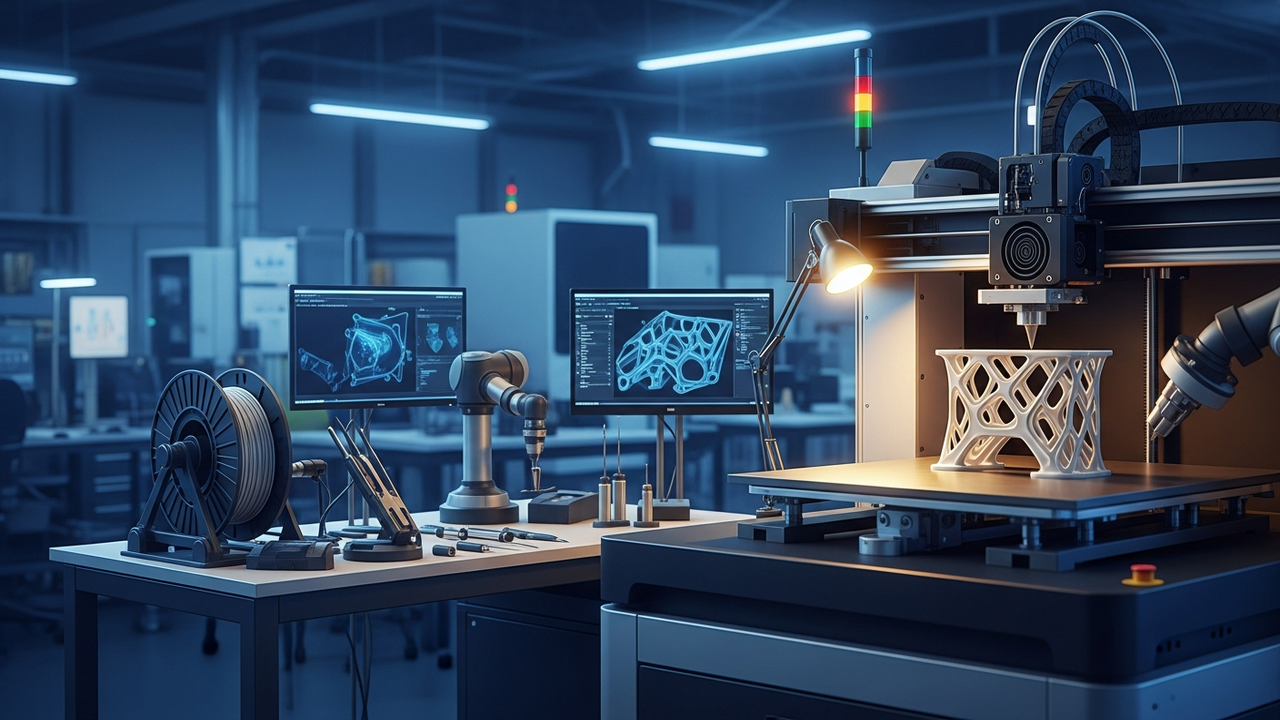
Vektor3D Systems LLP is providing advanced 3D printing services for the aerospace and defense sectors, leveraging high-performance engineering-grade plastics such as Polyether Ether Ketone (PEEK), Polyether Ketone Ketone (PEKK), Polyetherimide (PEI, ULTEM), and Carbon Fiber Nylon. This capability enables rapid prototyping, functional testing, and the production of lightweight, high-strength components, significantly reducing development timelines and optimizing part performance.
Technical / Clinical Details
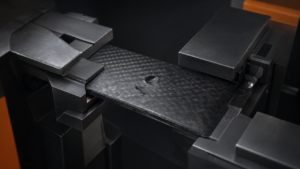
The 3D printing technology offered by Vektor3D operates on the principles of Additive Manufacturing (AM), layering these high-performance polymers to create parts with complex geometries and high precision. PEEK, PEKK, and PEI offer exceptional heat resistance, chemical inertness, mechanical strength, and dimensional stability, providing performance comparable to or exceeding traditional metal components in harsh operating environments. For instance, PEEK can withstand continuous operating temperatures above 260°C, making it suitable for internal aircraft engine components and spacecraft structural elements. Carbon Fiber Nylon combines the toughness of nylon with the strength and stiffness of carbon fibers, achieving excellent specific strength and fatigue resistance, utilized in lightweight components for drones and military vehicles.
Background & Context
Weight reduction is a paramount requirement in the aerospace and defense industries, directly impacting fuel efficiency, extended range, and increased payload capacity. Compared to conventional metal fabrication, 3D printing offers greater design freedom, enables part consolidation to reduce assembly count, and simplifies supply chains. This allows for reduced manufacturing costs and lead times, particularly for custom parts and low-volume production, thereby accelerating innovation cycles.
Strategic Significance & Outlook
Advanced 3D printing solutions from companies like Vektor3D are poised to transform the design, manufacturing, and maintenance paradigms within the aerospace and defense sectors. Further advancements in material science are expected to lead to the development of even higher-performance and functional polymer materials. Their integration with 3D printing technologies will enable the creation of more complex, lightweight, and intelligent components, significantly enhancing the performance and operational efficiency of future aircraft, unmanned systems, and defense equipment.
Source: https://www.vektor3ds.com/aerospace-defence-3d-printing
Get our weekly technology intelligence — free
Receive an infographic that lets you judge at a glance whether each field’s analysis report is worth reading.
Subscribe Free — Weekly Tech Intelligence
By subscribing, you’ll receive Troy-Technical’s weekly technology intelligence newsletter.
- Your email and selected fields are used only to deliver the newsletter.
- We never share your information with third parties.
- You can unsubscribe anytime via the link in each email.
See our Privacy Policy for details.
Takes about a minute · Unsubscribe anytime