Key Findings
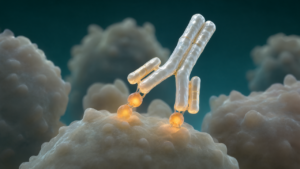
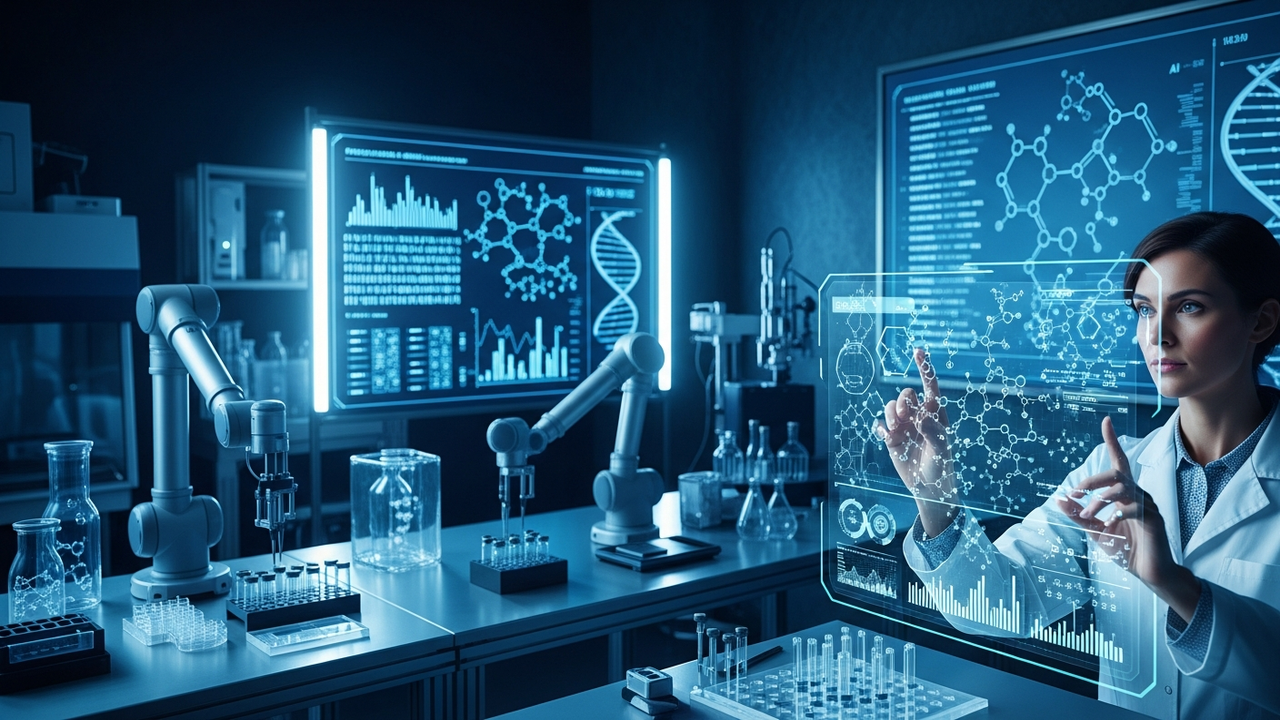
Generative Artificial Intelligence (AI) is ushering in a transformative era for pharmaceutical research, fundamentally reshaping how new drugs are discovered and developed. Its primary impact lies in three critical areas: de novo drug design, advanced protein structure prediction, and optimized biologics design. By leveraging generative AI, researchers can computationally create novel molecular structures tailored for specific biological targets, optimizing properties such as binding affinity, selectivity, solubility, and synthetic accessibility with unprecedented efficiency.
Technical / Clinical Details
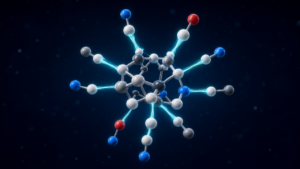
Generative AI models, including Generative Adversarial Networks (GANs) and Variational Autoencoders (VAEs), learn from vast datasets of known molecules and proteins to design entirely new compounds with desired characteristics. This allows for a more efficient exploration of the chemical space, identifying promising candidates that traditional high-throughput screening or medicinal chemistry approaches might miss. Specifically, AI can design molecules that fit precisely into target protein pockets, generate compounds with specific pharmacological profiles, and predict protein folding patterns with high accuracy, exemplified by advancements like AlphaFold. This computational power enables virtual screening and optimization, drastically reducing the number of physical syntheses and experimental validations required. The integration of structure-aware AI systems, employing graph neural networks and Transformer-based models, further enhances the prediction of drug-target interactions and binding affinities, streamlining the lead identification and optimization phases.
Background & Context
The traditional drug discovery paradigm is notoriously time-consuming, expensive, and prone to high failure rates, often taking over a decade and billions of dollars to bring a single drug to market. The exploration of chemical space, even with high-throughput screening, remains a monumental challenge. Generative AI addresses these bottlenecks by automating and enhancing early-stage discovery. Companies like Insilico Medicine have already demonstrated success, pushing AI-designed candidates into human trials, including a Phase III drug for idiopathic pulmonary fibrosis and 31 other preclinical candidates. Regulatory bodies are also actively developing guidelines for AI in drug development, signaling the industry-wide acceptance and strategic importance of these technologies.
Strategic Significance & Outlook
Generative AI is not merely an incremental improvement but a paradigm shift, positioning drug discovery as a more programmatic and engineering-like discipline. Its ability to accelerate the early phases of drug development—from target identification to lead optimization—promises to significantly shorten time-to-market for new therapies. This technology will attract substantial investment, driving further innovation in AI algorithms and computational infrastructure. Beyond molecular design, generative AI is expected to impact clinical trial design, biomarker discovery, and patient stratification, influencing the entire pharmaceutical value chain. The ultimate outcome is a future where more effective and personalized medicines can be brought to patients faster and at a potentially lower cost, transforming global healthcare.
Source: https://pacewisdom.com/blog/ai-in-drug-development-generative-ai-pharmaceutical-research
Get our weekly technology intelligence — free
Receive an infographic that lets you judge at a glance whether each field’s analysis report is worth reading.
Subscribe Free — Weekly Tech Intelligence
By subscribing, you’ll receive Troy-Technical’s weekly technology intelligence newsletter.
- Your email and selected fields are used only to deliver the newsletter.
- We never share your information with third parties.
- You can unsubscribe anytime via the link in each email.
See our Privacy Policy for details.
Takes about a minute · Unsubscribe anytime