Key Findings
The global pharmaceutical industry is witnessing an unprecedented surge in demand for biologics, biosimilars, and particularly GLP-1 receptor agonists, prompting Contract Manufacturing Organizations (CMOs) and Contract Development and Manufacturing Organizations (CDMOs) to make substantial investments in expanding their sterile fill-finish, lyophilization, and prefilled syringe capacities. Notably, PCI Pharma Services has announced a global expansion exceeding $1 billion, signaling a broader industry trend of multi-billion dollar strategic investments aimed at alleviating supply bottlenecks and catering to evolving market requirements.
Technical / Clinical Details
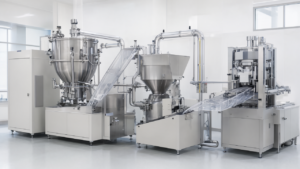
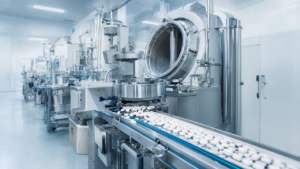
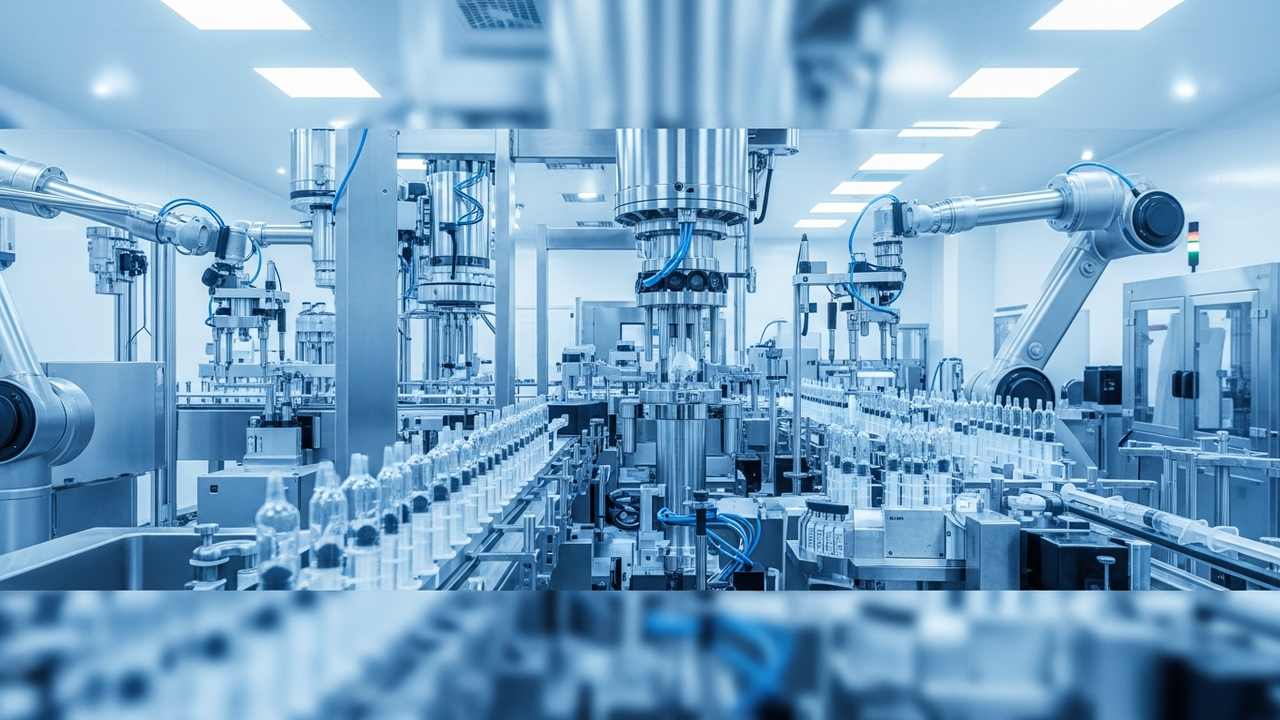
Sterile fill-finish operations are paramount for ensuring the quality, safety, and efficacy of injectable biopharmaceuticals. These highly potent and often unstable molecules necessitate stringent aseptic conditions and precise process control. The growing preference for patient convenience and self-administration has led to a significant shift towards device-based drug delivery systems, such as prefilled syringes and autoinjectors. To address this, CDMOs are accelerating investments in advanced manufacturing infrastructure, including ISO 7 cleanroom facilities, robotic automation technologies, sophisticated lyophilization equipment, and high-speed filling lines. Companies like Adragos Pharma and BioConnection are also actively enhancing their fill-finish services across their respective sites, demonstrating a concurrent push for technological innovation and scalability to meet diverse market needs. This includes specialized handling for highly potent APIs (HPAPIs) and antibody-drug conjugates (ADCs).
Background & Context
The biopharmaceutical market has experienced robust growth, fueled by innovative therapies for cancer, autoimmune diseases, and rare disorders, alongside an increasing diversification of modalities (e.g., ADCs, gene therapies, RNA therapeutics). The revolutionary impact of GLP-1 drugs in treating obesity and diabetes has created explosive demand, placing immense pressure on existing manufacturing infrastructures. Most of these therapies are injectable, requiring advanced sterile fill-finish capabilities. The vulnerabilities in global supply chains exposed by the COVID-19 pandemic have further motivated CDMOs to enhance their manufacturing resilience and flexibility. Furthermore, the increasing complexity and specialization of drug development have led many pharmaceutical companies to outsource manufacturing to CDMOs, contributing to this market expansion.
Strategic Significance & Outlook
The large-scale capital investments by CDMOs are critical for bolstering global pharmaceutical supply chains and improving patient access to essential biopharmaceuticals. As the biopharmaceutical pipeline continues to grow and the demand for GLP-1 drugs escalates, competition among CDMOs is expected to intensify, driving further technological innovation and service integration. Future investments will likely focus on next-generation manufacturing technologies, including continuous manufacturing processes, digitalization, and AI-driven process optimization. These strategic moves are anticipated to enhance overall production efficiency within the pharmaceutical industry, enable faster market entry for new drugs, and ultimately provide better treatment options for patients worldwide, solidifying the CDMO sector’s role as a cornerstone of modern drug development and manufacturing.
Get our weekly technology intelligence — free
Receive an infographic that lets you judge at a glance whether each field’s analysis report is worth reading.
Subscribe Free — Weekly Tech Intelligence
By subscribing, you’ll receive Troy-Technical’s weekly technology intelligence newsletter.
- Your email and selected fields are used only to deliver the newsletter.
- We never share your information with third parties.
- You can unsubscribe anytime via the link in each email.
See our Privacy Policy for details.
Takes about a minute · Unsubscribe anytime