Key Findings
Aspen Neuroscience announced that its personalized cell therapy, sasineprocel (ANPD001), for Parkinson’s disease, a progressive neurodegenerative disorder, has received Regenerative Medicine Advanced Therapy (RMAT) designation from the U.S. Food and Drug Administration (FDA). This designation is a crucial step designed to accelerate the development and regulatory review process for the therapy, signifying a major advance towards realizing a new treatment option for Parkinson’s patients.
Technical / Clinical Details
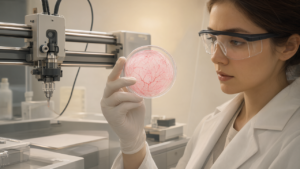
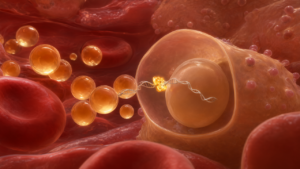
Sasineprocel employs a patient-specific approach: it involves inducing induced pluripotent stem cells (iPSCs) from a patient’s own skin cells, then differentiating these iPSCs into functional dopaminergic neural progenitor cells for transplantation. Parkinson’s disease is characterized by motor dysfunction caused by the degeneration and loss of dopamine-producing neurons in the brain. Sasineprocel aims to replenish these lost dopamine-producing neurons, thereby slowing disease progression and improving motor symptoms. A key advantage of using a patient’s own cells is the extremely low risk of immune rejection. The RMAT designation is intended to expedite the development of regenerative medicine products for serious or life-threatening diseases with significant unmet medical needs, provided that early clinical data show promising results. This designation offers benefits such as enhanced FDA dialogue, priority review, and rolling review submissions.
Background & Context
Parkinson’s disease is a neurodegenerative disorder with a growing patient population in aging societies. Current treatments primarily focus on symptom management, with no established therapies to halt disease progression or offer a cure. For advanced-stage patients, significant decline in motor function severely impacts quality of life. Regenerative medicine utilizing iPSC technology holds the potential for a fundamental treatment for Parkinson’s by replacing lost neurons. Aspen Neuroscience’s sasineprocel is at the forefront of this field, and the FDA’s RMAT designation highlights its innovation and clinical potential as highly valued by regulatory authorities. This recognition is expected to spur further development of iPSC-derived cell therapies for other neurodegenerative diseases.
Strategic Significance & Outlook
Obtaining RMAT designation is poised to accelerate the clinical development of sasineprocel, increasing its likelihood of a faster approval. Aspen Neuroscience will focus on establishing the therapy’s safety and efficacy through its ongoing clinical trials (ANPD001 study). Should these trials succeed, and sasineprocel gains approval, it would offer a groundbreaking therapeutic option for Parkinson’s patients. This would fundamentally transform the current treatment paradigm by not merely managing symptoms but aiming to restore lost neurological function. Aspen Neuroscience’s efforts in personalized regenerative medicine represent a significant case study in demonstrating the future potential of iPSC technology within the neurodegenerative disease space.
Source: https://longevity.technology/news/fda-gives-aspens-cell-therapy-for-parkinsons-a-major-lift/
Get our weekly technology intelligence — free
Receive an infographic that lets you judge at a glance whether each field’s analysis report is worth reading.
Subscribe Free — Weekly Tech Intelligence
By subscribing, you’ll receive Troy-Technical’s weekly technology intelligence newsletter.
- Your email and selected fields are used only to deliver the newsletter.
- We never share your information with third parties.
- You can unsubscribe anytime via the link in each email.
See our Privacy Policy for details.
Takes about a minute · Unsubscribe anytime