Key Findings
The AACR Annual Meeting 2026 showcased pivotal advancements in the clinical development of Antibody-Drug Conjugates (ADCs), with multiple candidates demonstrating remarkable efficacy across various difficult-to-treat cancers. A highlight was the trastuzumab deruxtecan (T-DXd; Enhertu) and olaparib (Lynparza) combination therapy, which achieved a 46% objective response rate (ORR) in patients with platinum-resistant uterine and ovarian cancers, an indication with significant unmet needs. This potent response underscores the potential of synergistic drug mechanisms to overcome resistance in advanced malignancies.
Technical / Clinical Details
Beyond the T-DXd and olaparib combination, several other ADCs presented compelling data. SYS6010, an investigational EGFR-targeting ADC, demonstrated ORRs ranging from 42.9% to 50% in patients with advanced nasopharyngeal cancer. The CLDN6-targeting QLS5132 reported an impressive 94.4% disease control rate (DCR) in platinum-resistant ovarian cancer patients. Additionally, the B7H3-targeting risvutatug rezetecan (ris-rez) in combination with the immune checkpoint inhibitor adebrelimab yielded a 47.1% ORR and 94.1% DCR in non-squamous non-small cell lung cancer, indicating the versatility and expanding therapeutic reach of ADCs. These results collectively highlight advancements in linker stability, payload potency, and target selection, which are critical for enhancing the therapeutic index of ADCs.
Background & Context
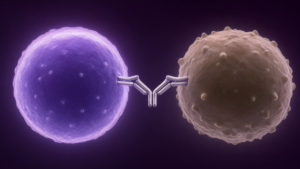
ADCs represent a sophisticated drug delivery paradigm that merges the specificity of monoclonal antibodies with the potent cytotoxicity of small molecule drugs, linked together by a cleavable or non-cleavable linker. This design aims to deliver chemotherapy directly to cancer cells while minimizing systemic toxicity, a long-standing challenge in oncology. The strong performance of these novel ADCs in resistant and advanced settings positions them as a cornerstone of modern cancer therapy, moving beyond traditional chemotherapy and even some targeted therapies. The integration of ADCs with other modalities, such as PARP inhibitors (olaparib) and immune checkpoint inhibitors (adebrelimab), suggests a future where combination strategies amplify treatment benefits.
Strategic Significance & Outlook
The burgeoning pipeline of ADCs, fueled by these positive clinical readouts, is set to redefine treatment algorithms across oncology. For researchers, these data provide crucial insights into optimal target selection and combination strategies. For engineers, the challenge lies in further refining linker chemistry and payload design for improved stability, efficacy, and safety. Investors will keenly watch subsequent trial phases and potential regulatory filings, as the commercial landscape for ADCs is rapidly expanding. The continued evolution of ADC technology promises to bring more precise and effective treatments to patients with a broader range of cancers, marking a significant leap forward in precision medicine.
Get our weekly technology intelligence — free
Receive an infographic that lets you judge at a glance whether each field’s analysis report is worth reading.
Subscribe Free — Weekly Tech Intelligence
By subscribing, you’ll receive Troy-Technical’s weekly technology intelligence newsletter.
- Your email and selected fields are used only to deliver the newsletter.
- We never share your information with third parties.
- You can unsubscribe anytime via the link in each email.
See our Privacy Policy for details.
Takes about a minute · Unsubscribe anytime