Background
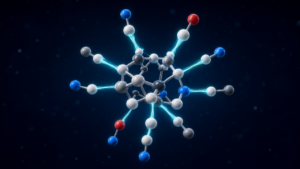
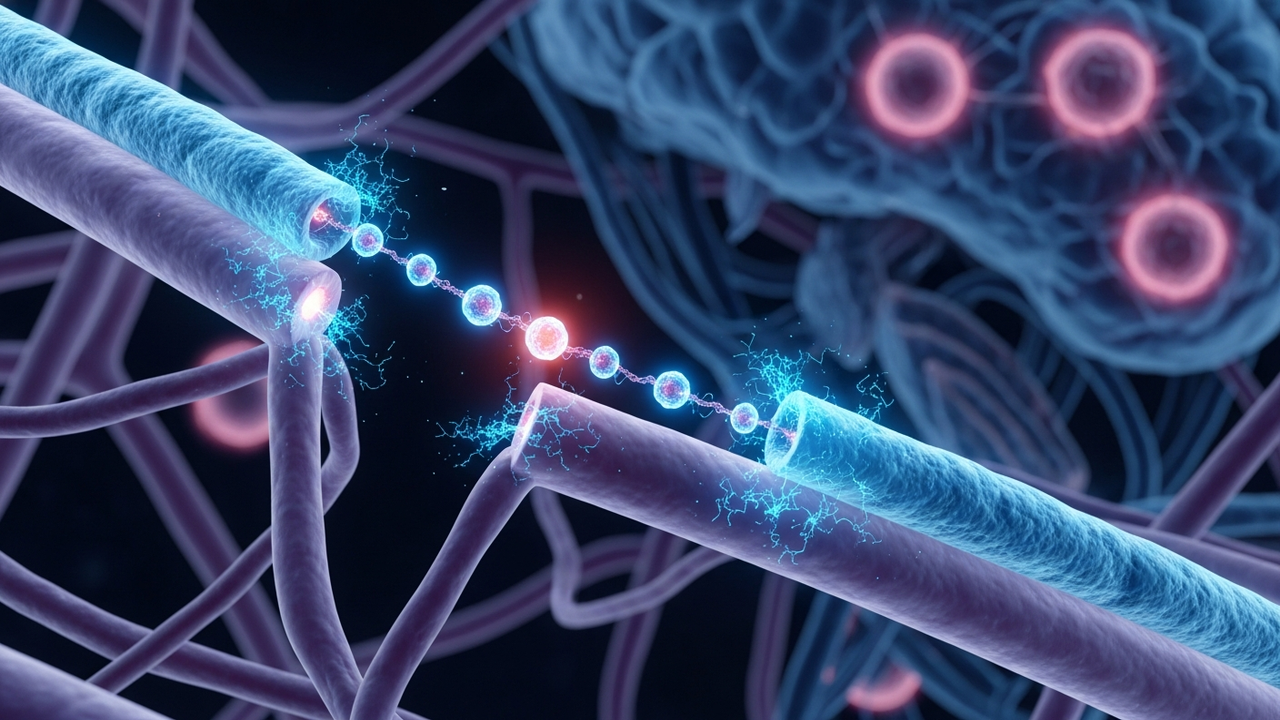
Central Nervous System (CNS) diseases, encompassing a wide range of conditions such as stroke, Alzheimer’s disease, Parkinson’s disease, multiple sclerosis, and glioblastoma, have historically presented immense challenges for drug development due to the presence of the blood-brain barrier (BBB). The BBB acts as a physiological safeguard, protecting the brain from the circulating bloodstream but simultaneously impeding the entry of most therapeutic agents. Consequently, developing effective CNS treatments necessitates novel drug delivery technologies that can safely and efficiently bypass this formidable barrier. Nanoparticle technology offers a promising solution by encapsulating drugs at the nanoscale. Through surface modifications and the incorporation of targeting ligands, nanoparticles can enhance BBB permeability, thereby increasing drug concentrations within the brain while simultaneously reducing systemic side effects.
Key Findings
Nanoparticle-based drug delivery systems are gaining significant attention as a promising solution for overcoming the blood-brain barrier (BBB), the most formidable challenge in treating Central Nervous System (CNS) diseases. A recent comprehensive review assessed the potential of various nanoparticle types—including lipid-based, polymeric, metallic, dendrimers, exosome-derived, and magnetic nanoparticles—to leverage their unique design characteristics for transcending the BBB and efficiently delivering therapeutics into the brain. These technologies are generating substantial excitement, particularly as novel therapeutic approaches for severe brain conditions such as glioblastoma (GBM).
Technical and Clinical Innovations
The review underscores that diverse nanoparticles, encompassing lipid-based, polymeric, metallic, dendrimers, exosome-derived, and magnetic nanoparticles, each possess distinct mechanisms for targeting and traversing the BBB. For instance, lipid nanoparticles (LNPs), known for their biocompatibility and high drug encapsulation efficiency, are being investigated for brain delivery of mRNA and siRNA therapeutics. Polymeric nanoparticles, on the other hand, often employ surface modifications to exploit receptor-mediated transcytosis (RMT) pathways for brain entry. Furthermore, recent advancements include the development of stimuli-responsive nanoparticles, designed to release drugs in response to specific tumor microenvironments (e.g., pH, enzyme activity, temperature), thereby enabling more target-specific therapies. Biomimetic nanoparticles, which mimic natural cells or viruses, hold significant promise for enhancing in vivo stability and BBB permeability. The integration of Artificial Intelligence (AI) for optimizing nanomaterial design is also expected to accelerate the development of these advanced systems.
Future Outlook and Challenges
While nanoparticle-based drug delivery systems hold revolutionary potential for CNS disease treatment, several challenges persist on the path to clinical translation. These include optimizing nanoparticle safety profiles, ensuring manufacturing scalability, and achieving a comprehensive understanding of long-term in vivo pharmacokinetics. Nevertheless, the emergence of new technologies such as biomimetic nanoparticles, stimuli-responsive systems, and AI-driven design is beginning to illuminate pathways for overcoming these hurdles. The expectation is that these innovative nanomedicines will demonstrate their efficacy and safety in clinical trials, ultimately leading to personalized CNS therapies for patients. There is a particular hope for the development of more effective treatments for aggressive cancers like GBM.
Source: https://www.mdpi.com/2673-8023/6/3/65
Get our weekly technology intelligence — free
Receive an infographic that lets you judge at a glance whether each field’s analysis report is worth reading.
Subscribe Free — Weekly Tech Intelligence
By subscribing, you’ll receive Troy-Technical’s weekly technology intelligence newsletter.
- Your email and selected fields are used only to deliver the newsletter.
- We never share your information with third parties.
- You can unsubscribe anytime via the link in each email.
See our Privacy Policy for details.
Takes about a minute · Unsubscribe anytime