Background
Targeted protein degradation (TPD) technologies, such as proteolysis-targeting chimeras (PROTACs) and molecular glue degraders (MGDs), represent one of the most exciting frontiers in modern drug discovery. Unlike conventional small-molecule drugs that primarily inhibit protein function, TPD technologies adopt a fundamentally different approach by facilitating the removal of the target protein itself from within the cell. This paradigm shift has opened new avenues for addressing a multitude of previously ‘undruggable’ targets, including critical transcription factors and scaffolding proteins that are notoriously difficult to modulate with traditional inhibitors. MGDs, in particular, hold immense potential due to their unique ability to induce low-affinity, proximity-driven interactions that are challenging to achieve with existing pharmacopeia. The development of Dana-Farber’s novel discovery platform is therefore poised to play a crucial role in accelerating the MGD discovery process and resolving bottlenecks in the development of new therapeutics. The concurrent clinical progress reported by Vividion Therapeutics further underscores that MGDs are rapidly transitioning from an advanced research-stage technology to tangible, clinically relevant therapeutic agents.
Key Findings
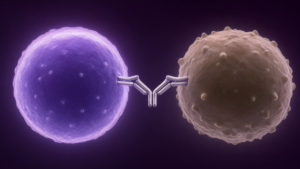
Researchers at Dana-Farber Cancer Institute have engineered a groundbreaking platform designed for the systematic discovery of novel molecular glue degraders (MGDs) specifically tailored to address previously ‘undruggable’ cancer targets. A significant achievement enabled by this platform is the identification of the world’s first metabolically activated molecular glues, a discovery poised to dramatically broaden the therapeutic applicability of MGDs. This innovative platform facilitates the efficient and systematic screening and identification of MGDs, which function by acting as a ‘glue.’ This ‘glue’ forcibly connects a cellular E3 ubiquitin ligase to a specific target protein, thereby initiating the target protein’s ubiquitination and subsequent degradation via the proteasome. This mechanism allows for the precise elimination of disease-related proteins that have historically been inaccessible to conventional drug modalities.
The unique aspect of identifying metabolically activated MGDs is particularly transformative. These compounds are designed to be activated only under specific metabolic conditions or in the presence of particular enzymes within targeted cells. This conditional activation holds considerable promise for enhancing drug selectivity, thereby minimizing off-target effects and improving the therapeutic index. Complementing these technological advancements, researchers at Vividion Therapeutics have also announced the discovery of two KEAP1-targeting NRF2 molecular glue degraders: VVD-065 and VVD-130037. Notably, VVD-130037 is currently advancing through Phase 1 clinical trials, where its clinical efficacy and safety are being rigorously evaluated in patients with solid tumors.
The development of this advanced MGD discovery platform and the identification of metabolically activated MGDs significantly heighten expectations for new breakthroughs in cancer treatment. Looking ahead, it is anticipated that a greater number of previously ‘undruggable’ targets will be successfully modulated and degraded by MGDs, paving the way for innovative and tailored therapies across a diverse spectrum of cancer types. The successful progression of Vividion Therapeutics’ VVD-130037 through its clinical development will undoubtedly further accelerate the practical application and broader acceptance of this technology. Researchers and pharmaceutical companies are expected to continue their efforts in further elucidating MGD mechanisms of action, optimizing their safety profiles, and developing strategic combination therapies to expand the array of effective treatment options available to patients. This collective progress represents a crucial and impactful stride in the evolution of personalized medicine and promises to significantly improve prognoses for patients battling intractable cancers.
Get our weekly technology intelligence — free
Receive an infographic that lets you judge at a glance whether each field’s analysis report is worth reading.
Subscribe Free — Weekly Tech Intelligence
By subscribing, you’ll receive Troy-Technical’s weekly technology intelligence newsletter.
- Your email and selected fields are used only to deliver the newsletter.
- We never share your information with third parties.
- You can unsubscribe anytime via the link in each email.
See our Privacy Policy for details.
Takes about a minute · Unsubscribe anytime