Background
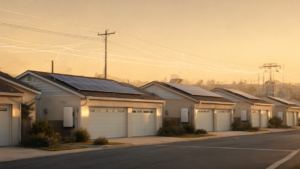
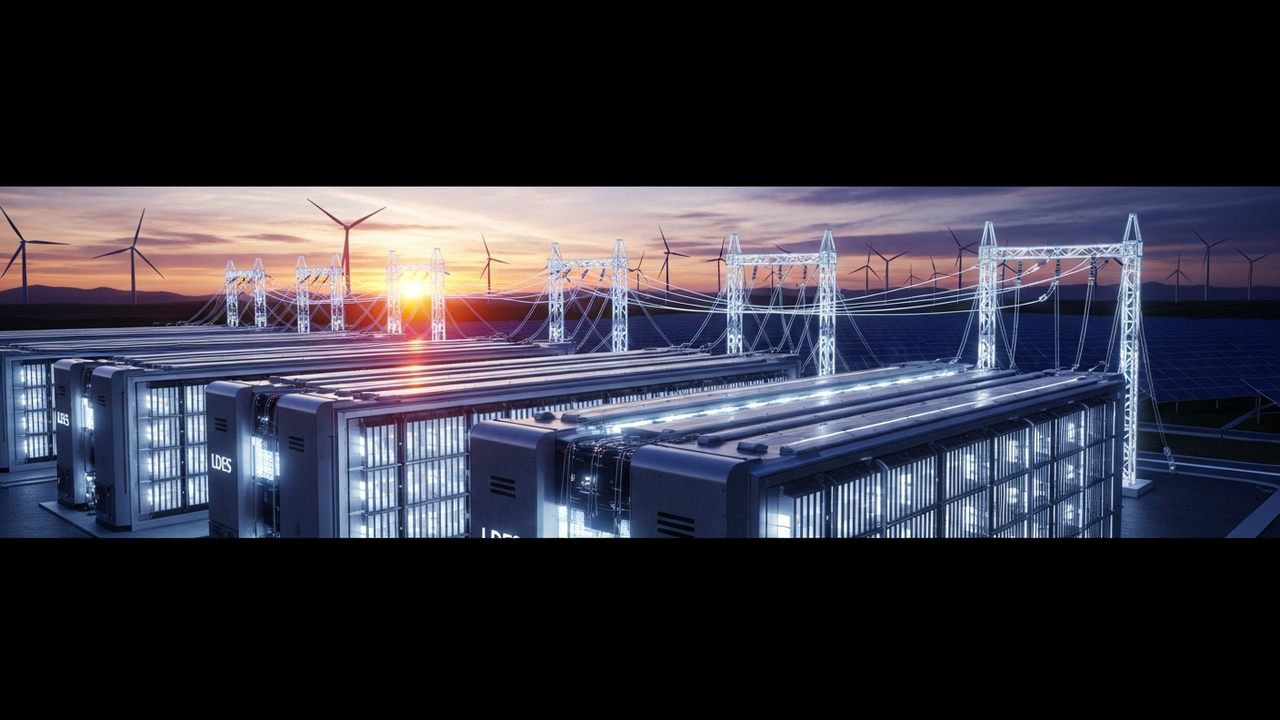
The increasing penetration of intermittent renewable energy sources poses significant challenges to grid stability, primarily due to the mismatch between their generation patterns and electricity demand. For instance, solar power peaks during the day but is absent at night, while wind power fluctuates with weather conditions. LDES directly addresses this temporal gap, enabling greater penetration of renewables by storing excess generation for later use, thereby reducing curtailment and ensuring a more reliable power supply. The DOE’s clear definition helps standardize the focus for research, development, and deployment efforts.
Key Findings
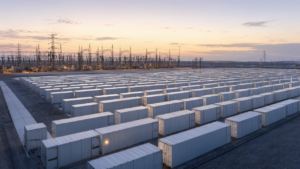
Long-duration energy storage (LDES) technologies are proving critical for deeper integration of variable renewable energy sources like solar and wind into electricity grids, and for addressing ever-growing electricity demands. The U.S. Department of Energy (DOE) has formally defined LDES as systems capable of delivering electricity for 10 hours or more, underscoring its strategic importance in the ongoing energy transition.
The LDES landscape is diverse, incorporating various mechanisms and technological approaches. Key LDES technologies include:
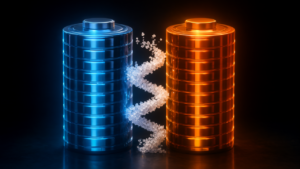
- Battery Storage: Beyond conventional lithium-ion, advanced battery chemistries such as flow batteries (e.g., vanadium redox flow), molten salt batteries, and sodium-ion batteries are being developed for extended discharge durations.
- Pumped Hydropower: The most mature and widely deployed large-scale storage technology, involving pumping water uphill to a reservoir and releasing it to generate electricity when needed.
- Compressed Air Energy Storage (CAES): Utilizes surplus electricity to compress air into underground caverns or tanks, then releases and expands the air through turbines to generate power during high-demand periods.
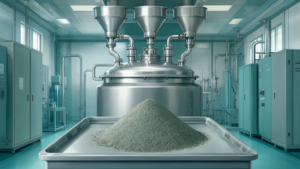
- Thermal Storage: Stores energy as heat, often using molten salts or sand, from solar thermal plants or excess electricity, then converts this heat back into electricity via steam turbines.
- Hydrogen-Based Systems: Involves using renewable electricity to produce hydrogen via electrolysis, which can then be stored and converted back to electricity using fuel cells, or used as a clean fuel in other sectors.
Each technology presents unique characteristics in terms of efficiency, cost, scalability, and environmental impact, making selection dependent on specific application requirements and geographical constraints.
LDES technologies are poised to dramatically enhance grid resilience and reliability. They can provide continuous power during outages, support critical infrastructure, and facilitate energy shifting—storing low-cost electricity during off-peak hours and discharging it during peak demand to balance supply and reduce price volatility. Governments and utilities worldwide are actively investing in LDES research, demonstration projects, and policy frameworks to accelerate their deployment. This concerted effort is expected to drive substantial growth in the LDES sector in the coming years, paving the way for a more robust, sustainable, and economically efficient energy future.
Source: https://ziontechnologies.co.nz/long-duration-energy-storage/
Get our weekly technology intelligence — free
Receive an infographic that lets you judge at a glance whether each field’s analysis report is worth reading.
Subscribe Free — Weekly Tech Intelligence
By subscribing, you’ll receive Troy-Technical’s weekly technology intelligence newsletter.
- Your email and selected fields are used only to deliver the newsletter.
- We never share your information with third parties.
- You can unsubscribe anytime via the link in each email.
See our Privacy Policy for details.
Takes about a minute · Unsubscribe anytime