Key Findings
According to Cellura’s report, human pluripotent stem cell (hPSC) culture is undergoing a significant evolution, moving towards increasingly reliable and reproducible cell manufacturing. This transformation is driven by the widespread adoption of chemically defined, xeno-free media, the introduction of advanced biomaterials, automated manufacturing technologies, and the integration of intelligent process control systems.
Technical / Clinical Details
The evolution of hPSC culture is characterized by the following key technological trends:
- **Chemically Defined, Xeno-Free Media**: There’s a complete shift towards media that are free of animal-derived components and exhibit minimal batch-to-batch variation. This improves the reproducibility of cell growth and differentiation, ensuring the safety essential for clinical applications.
- **Advanced Biomaterials**: New biomaterials are being developed to provide optimal surfaces for cell adhesion, proliferation, and differentiation. These include synthetic polymers, specific protein coatings, and hydrogels for 3D culture.
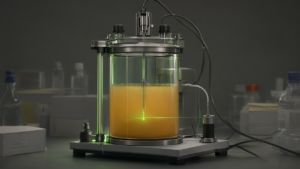
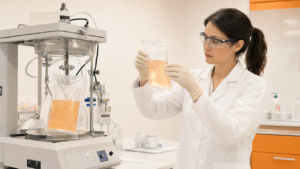
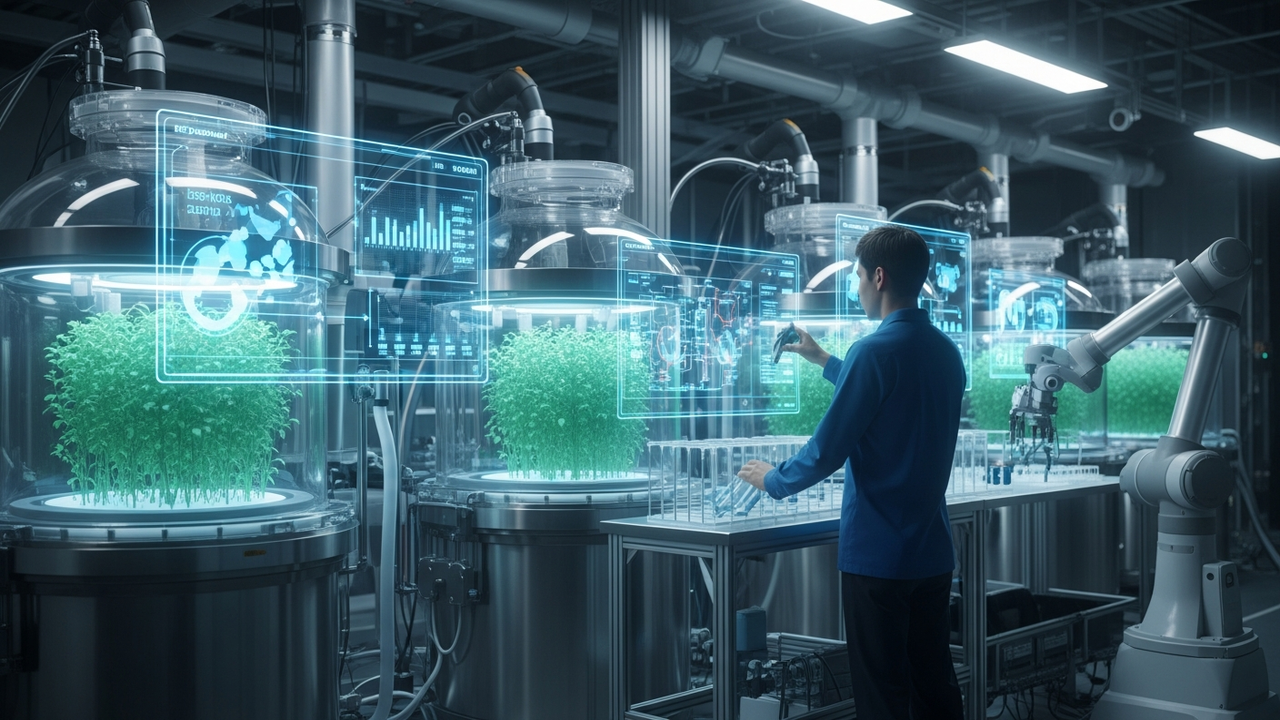
- **Automated Manufacturing**: Systems that automate entire culture processes, such as media exchange, cell passaging, and cell harvesting, are being implemented. This reduces human error, increases throughput, and facilitates manufacturing in GMP (Good Manufacturing Practice) environments.
- **Intelligent Process Control**: Real-time monitoring and feedback systems, leveraging AI and machine learning, dynamically optimize culture conditions. This maximizes cell quality and yield while preventing deviations during the process.
- **Expansion of 3D Culture Systems**: Replacing traditional 2D culture, the adoption of 3D spheroids and organoid cultures, where cells can grow in environments more akin to in vivo conditions, is expanding. This enhances the relevance of in vivo models and accelerates drug screening and disease model development.
Background & Context
Human pluripotent stem cells (iPSCs and ESCs) hold immense potential in regenerative medicine, disease modeling, and drug screening. However, their widespread application has long been hindered by challenges such as low culture reproducibility, batch-to-batch variability, high costs, and the potential risk of contamination from animal-derived components. For clinical applications, stringent quality control and regulatory requirements necessitate overcoming these challenges through technological innovation. Current technological advancements systematically address these issues, paving the way for hPSC-based products to transition from the laboratory to commercial production.
Strategic Significance & Outlook
This evolution in hPSC culture technology is expected to dramatically accelerate the commercialization of cell therapy products. By enabling safer, more consistent, and scalable cell manufacturing, it will stabilize the supply of regenerative medicine products, reduce costs, and improve access for more patients. Investors and pharmaceutical companies see these technological advancements driving the development of new therapies and diagnostics, creating vast market opportunities. Further integration of intelligent automation and 3D culture technologies is anticipated to become the standard for future biomanufacturing, serving as a critical factor in driving innovation at every stage from drug discovery to clinical application.
Get our weekly technology intelligence — free
Receive an infographic that lets you judge at a glance whether each field’s analysis report is worth reading.
Subscribe Free — Weekly Tech Intelligence
By subscribing, you’ll receive Troy-Technical’s weekly technology intelligence newsletter.
- Your email and selected fields are used only to deliver the newsletter.
- We never share your information with third parties.
- You can unsubscribe anytime via the link in each email.
See our Privacy Policy for details.
Takes about a minute · Unsubscribe anytime