Key Findings
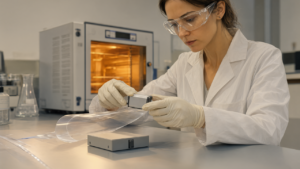
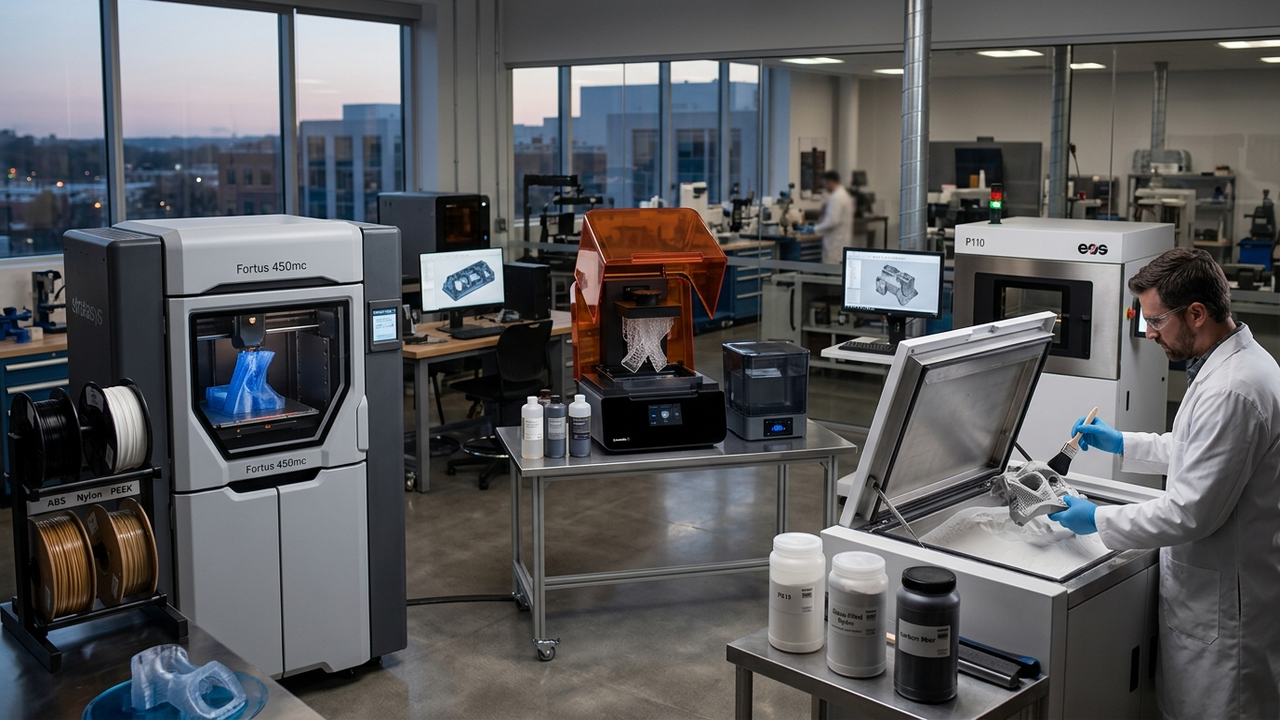
The three predominant polymer 3D printing processes—Fused Deposition Modeling (FDM), Stereolithography (SLA), and Selective Laser Sintering (SLS)—operate on fundamentally distinct principles: melting filaments, photopolymerizing liquid resins, and fusing powder layers, respectively. These technologies exhibit clear differences in material properties, part accuracy, surface finish, and post-processing requirements, allowing users to select the optimal process based on their specific application needs.
Technical / Clinical Details
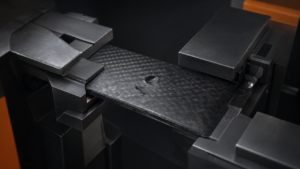
- FDM (Fused Deposition Modeling): This is the most widely adopted 3D printing technology, where thermoplastic filaments are heated, melted, and extruded through a nozzle to build objects layer by layer. It supports a broad spectrum of materials, including PLA (Polylactic Acid), PETG (Polyethylene Terephthalate Glycol), ABS (Acrylonitrile Butadiene Styrene), ASA (Acrylonitrile Styrene Acrylate), Nylon, PC (Polycarbonate), and even high-performance PEEK (Polyether Ether Ketone). While relatively inexpensive and easy to operate, FDM prints often show visible layers and tend to have rougher surfaces.
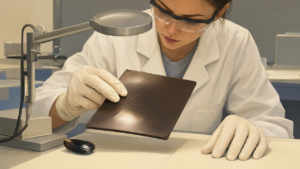
- SLA (Stereolithography): A high-precision technology that cures liquid photopolymer resin using a UV laser, layer by layer. It excels at reproducing the finest details and achieving exceptionally smooth surface finishes, making it suitable for jewelry, dental applications, and high-definition prototypes. However, it is limited to specific resin materials and typically has slower print speeds than FDM.
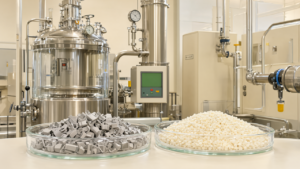
- SLS (Selective Laser Sintering): This technology uses a laser to sinter (fuse) layers of powdered material. Utilizing materials like Nylon PA12, the unsintered powder acts as a self-supporting structure during printing, enabling the creation of complex internal geometries and movable parts without external supports. SLS prints exhibit uniform strength but have a slightly rougher surface finish.
Background & Context
The evolution of 3D printing technologies is fundamentally transforming design, prototyping, and final product manufacturing across industries. Each technology caters to specific industrial needs based on its characteristics; for instance, FDM is used for functional prototypes and jigs, SLA for high-precision medical models and mold creation, and SLS for high-strength, complex end-use parts. A comparative understanding of these technologies is crucial for optimizing the balance between cost, time, and performance.
Strategic Significance & Outlook
Each of FDM, SLA, and SLS technologies is poised for continued evolution, driven by advancements in material science and hardware improvements. Expected future developments include the creation of new high-performance polymer materials compatible with each process, further increases in print speed, automation of post-processing, and expanded capabilities for composite material printing. These advancements will solidify 3D printing’s role as a mainstream technology for manufacturing more complex and functional parts across a wider range of industries, more efficiently and economically. Ultimately, the entire workflow from design to production will become even more seamless, accelerating innovation in manufacturing.
Source: https://www.acsmaterial.com/blog-detail/fdm-vs-sla-vs-sls-polymer-3d-printing.html
Get our weekly technology intelligence — free
Receive an infographic that lets you judge at a glance whether each field’s analysis report is worth reading.
Subscribe Free — Weekly Tech Intelligence
By subscribing, you’ll receive Troy-Technical’s weekly technology intelligence newsletter.
- Your email and selected fields are used only to deliver the newsletter.
- We never share your information with third parties.
- You can unsubscribe anytime via the link in each email.
See our Privacy Policy for details.
Takes about a minute · Unsubscribe anytime