Background
The automotive industry is at a critical juncture, facing dual pressures to significantly reduce vehicle weight and enhance sustainability. Stricter fuel efficiency and emission regulations, coupled with the imperative for extended range in electric vehicles (EVs), drive the demand for lightweighting solutions. Simultaneously, the industry is increasingly focused on reducing its environmental footprint through the adoption of recyclable materials across the entire product lifecycle. Traditional high-performance composite materials, while effective for lightweighting, have historically presented significant challenges in terms of end-of-life recyclability. The SUPERPAN project emerges as a timely and promising initiative, directly confronting these industrial and environmental hurdles to advance sustainable mobility.
Key Findings
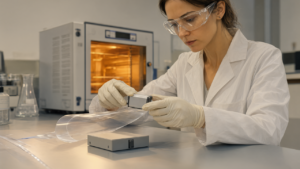
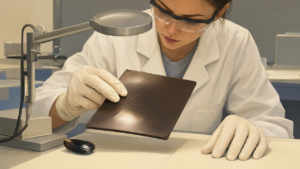
The SUPERPAN project consortium has achieved a significant breakthrough: the successful development of lightweight and fully recyclable thermoplastic composite panels specifically engineered for vehicle structures. This innovation is powered by the integration of Dual Pull Braiding technology with advanced automated manufacturing processes, enabling the efficient production of high-performance, multi-directionally reinforced panels. This new class of materials offers a compelling solution to the automotive industry’s urgent needs for both vehicle lightweighting and enhanced material sustainability.
Technical Deep Dive
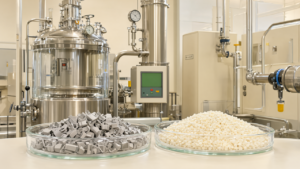
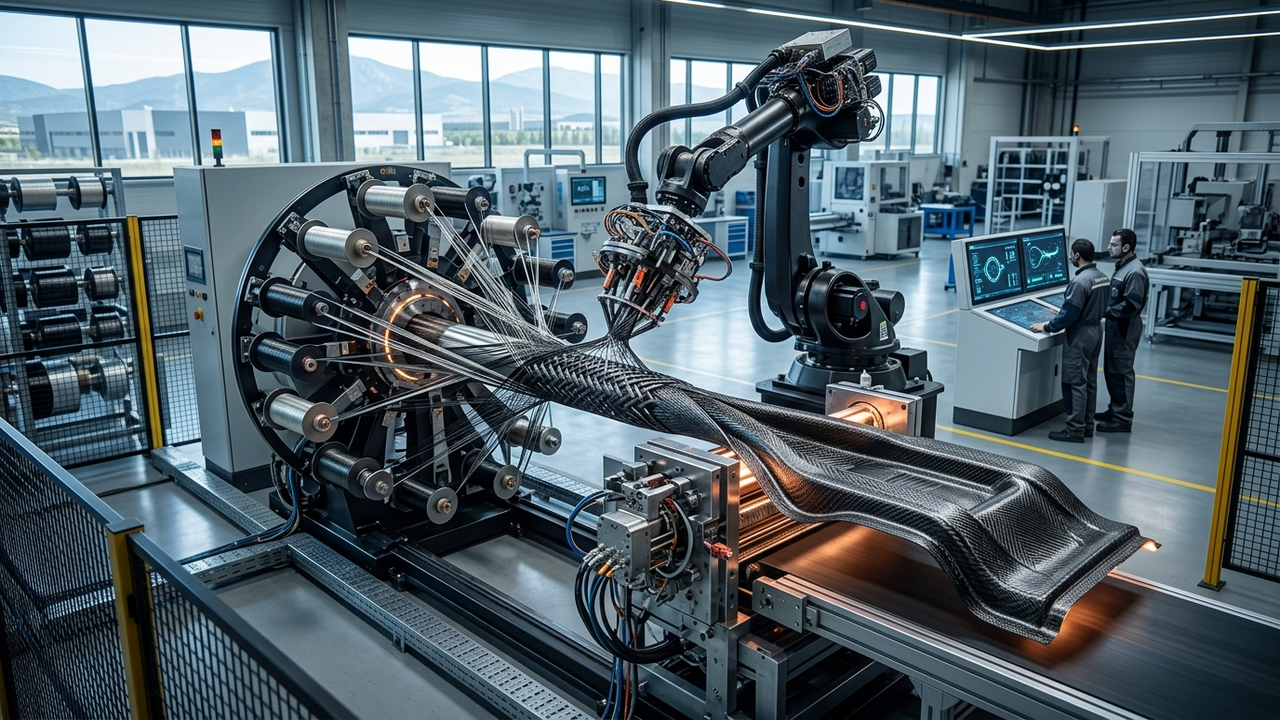
The SUPERPAN project is a collaborative effort spearheaded by Birka Composites, in partnership with the material research center Aimplas and the technology research center Ideko. The core innovation revolves around advanced thermoplastic composite panels characterized by their inherent recyclability and superior lightweight properties. A pivotal technological advancement is the Dual Pull Braiding technique, which involves simultaneously braiding continuous fibers from multiple directions. This sophisticated method yields composites with exceptional strength and stiffness, critically maintaining flexibility to conform to intricate geometric designs. The synergy of this braiding technique with automated manufacturing processes ensures rapid, efficient, and consistent production of high-quality panels. Furthermore, the selection of thermoplastic resins as the matrix material provides substantial environmental advantages over conventional thermoset composites, including considerably shorter molding cycles and, most importantly, the ability to be fully recycled at the end of their operational lifespan.
Strategic Impact and Outlook
The recyclable thermoplastic composite panels developed by the SUPERPAN project possess significant potential for application expansion far beyond the automotive sector. Their attributes make them highly suitable for other demanding transport industries, including aerospace, rail, and marine. The integrated approach of Dual Pull Braiding technology with automated manufacturing processes is poised to further revolutionize the mass production of composite components, enhancing both scalability and cost efficiency in the long term. This groundbreaking innovation is expected to catalyze the widespread adoption of high-performance, environmentally friendly materials across a diverse industrial landscape, thereby making a substantial contribution to the realization of a truly sustainable global society.
Source: https://jotaintl.com/category/global-composite-material-news/recyclable-composites-for-vehicles/
Get our weekly technology intelligence — free
Receive an infographic that lets you judge at a glance whether each field’s analysis report is worth reading.
Subscribe Free — Weekly Tech Intelligence
By subscribing, you’ll receive Troy-Technical’s weekly technology intelligence newsletter.
- Your email and selected fields are used only to deliver the newsletter.
- We never share your information with third parties.
- You can unsubscribe anytime via the link in each email.
See our Privacy Policy for details.
Takes about a minute · Unsubscribe anytime