Background
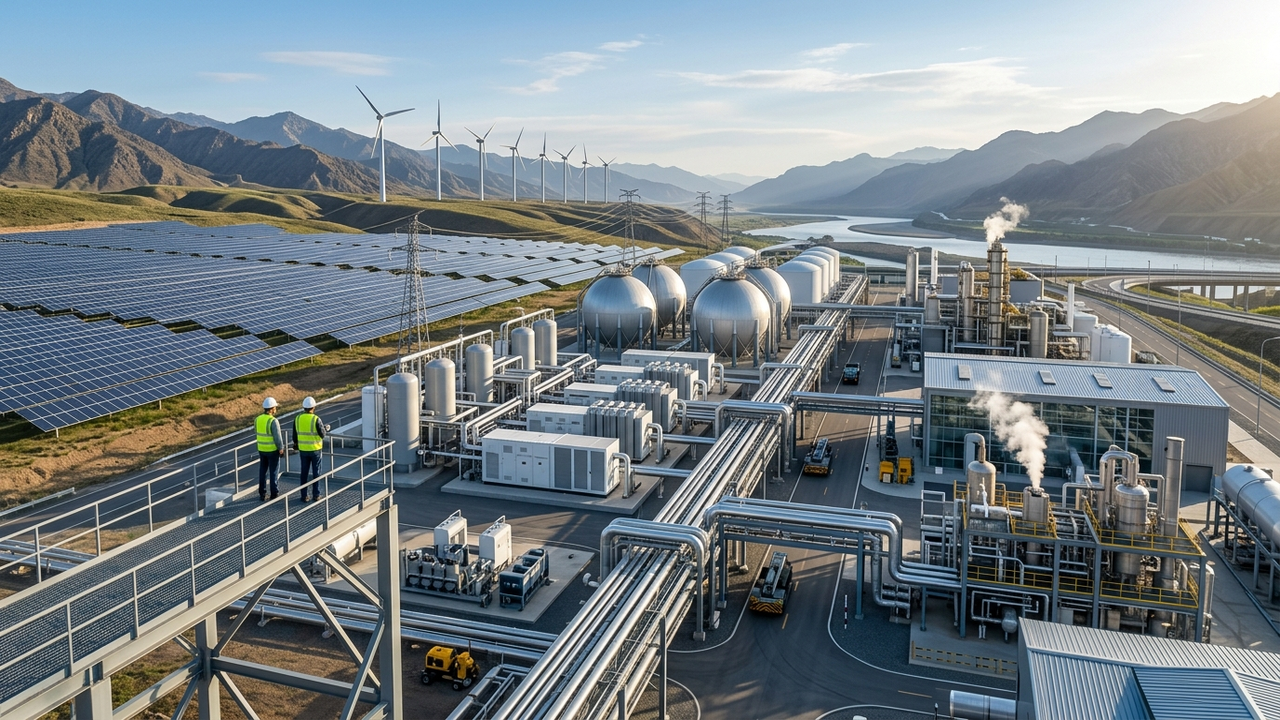
As the world’s largest emitter of carbon dioxide, China has committed to achieving carbon neutrality by 2060. Realizing this ambitious target requires a fundamental overhaul of its energy consumption and production matrix, with green hydrogen identified as a pivotal strategic pillar. China already leads globally in renewable energy deployment, and green hydrogen is envisioned to play a crucial dual role: as an energy storage medium and a versatile energy carrier. This will be instrumental in stabilizing its power grid, which is rapidly integrating vast capacities of intermittent renewable energy sources. This pilot program is structured as a national endeavor, fostering collaboration among local governments, state-owned enterprises, private companies, and research institutions, with the ultimate goal of bolstering China’s international competitiveness in the green hydrogen sector.
Key Findings
China has initiated a major new pilot program intended to substantially increase its green hydrogen production capacity and expedite its adoption across a wide range of industrial sectors nationwide. This program is a foundational element of China’s energy transition strategy, specifically designed to demonstrate and deploy clean hydrogen technologies at an industrial scale within its immense manufacturing and heavy industry base. The initiative aims to reconcile the imperatives of emission reduction with the pursuit of sustainable economic development.
Technical Details
The pilot program prioritizes the development of integrated green hydrogen production systems, featuring dedicated renewable energy power plants (solar, wind) co-located with electrolyzer facilities. A key objective is to drive down hydrogen production costs and enhance overall efficiency, notably through the deployment of advanced, large-scale alkaline and Proton Exchange Membrane (PEM) electrolyzers. The program also encompasses a multitude of demonstration projects focused on transitioning high-emission industries—such as steelmaking, chemical manufacturing, cement production, and ammonia synthesis—to hydrogen-based fuels and processes. Specific examples include the research and deployment of hydrogen-reduced steel technologies, hydrogen co-firing in industrial boilers, and the introduction of fuel cell-powered heavy-duty trucks and bus fleets in urban centers. These projects are designed to identify and address technical and economic hurdles throughout the entire green hydrogen supply chain, from generation to end-use, ultimately establishing optimized solutions.
Strategic Significance & Outlook
This pilot program is anticipated not only to significantly accelerate the maturation of China’s domestic green hydrogen industry but also to exert a substantial influence on the global clean hydrogen market. The data, best practices, and lessons learned from this initiative will provide crucial insights for the design, optimization, and scaling of future large-scale green hydrogen projects worldwide. Should the program prove successful, China is poised to emerge as a global frontrunner in green hydrogen technology innovation and industrialization, positioning itself as a major supplier and consumer within the international hydrogen supply chain. This trajectory is expected to further accelerate the global energy transition and contribute profoundly to climate change mitigation efforts. Consequently, the program’s progress will be under close scrutiny from the international community.
Source: #
Get our weekly technology intelligence — free
Receive an infographic that lets you judge at a glance whether each field’s analysis report is worth reading.
Subscribe Free — Weekly Tech Intelligence
By subscribing, you’ll receive Troy-Technical’s weekly technology intelligence newsletter.
- Your email and selected fields are used only to deliver the newsletter.
- We never share your information with third parties.
- You can unsubscribe anytime via the link in each email.
See our Privacy Policy for details.
Takes about a minute · Unsubscribe anytime






Comments