Key Findings
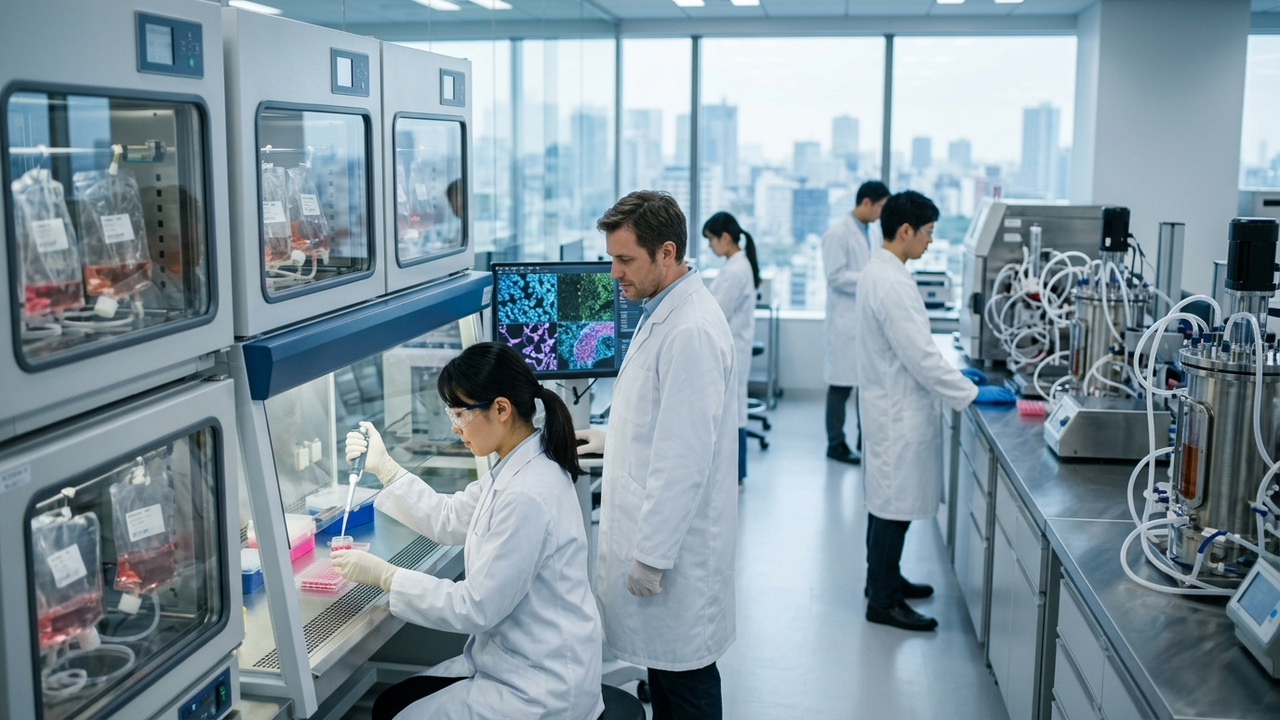
The Asian region, with Japan at its forefront, is rapidly establishing itself as a global epicenter for innovation in clinical research. Between the second quarter of 2024 and the second quarter of 2025, Japan achieved a remarkable feat by ranking among the top five countries globally for clinical trial growth. This exponential expansion is robustly driven by the Japanese government’s continuous and strategic investments in regenerative medicine and advanced biomanufacturing technologies. These investments are significantly scaling up capabilities in cell and gene therapy (CGT) and vigorously fostering the development of next-generation, cutting-edge therapeutic modalities, underscoring a major shift in the global R&D landscape.
Technical & Clinical Details
Japan’s surge in clinical research is particularly concentrated on developing groundbreaking therapies for intractable diseases. This includes the clinical application of regenerative medicine products derived from iPSCs (induced pluripotent stem cells) and ESCs (embryonic stem cells), advanced CAR-T cell therapies for cancer immunotherapy, and novel gene therapies leveraging gene editing technologies. The government’s comprehensive support for these R&D efforts encompasses substantial research grants, streamlined regulatory processes (e.g., the Act on the Safety of Regenerative Medicine), and specialized workforce development programs. The expansion of advanced biomanufacturing capabilities is an indispensable component for enabling the commercial production of these sophisticated therapies, with numerous state-of-the-art GMP (Good Manufacturing Practice)-compliant manufacturing facilities being established across the nation to support the growing pipeline.
Background & Industry Context
While clinical research has historically been dominated by Western nations, Asian countries, particularly Japan, are facing the unique challenges of an aging society, which generates a strong impetus for innovative medical solutions. Furthermore, as part of its economic growth strategy, the Japanese government has designated the life sciences sector as a priority industry and has actively channeled investments into it. This consistent policy support, coupled with Japan’s world-leading fundamental research capabilities—exemplified by the discovery of iPSCs in regenerative medicine—has accelerated the formation of a robust clinical research ecosystem. The presence of a large patient population within a well-developed healthcare system, alongside a well-defined and rigorous ethical and regulatory framework, further solidifies Asia’s appeal as a prime region for conducting clinical trials.
Strategic Significance & Outlook
For Asia, and Japan in particular, to consolidate its position as a global leader in clinical research, continued strengthening of international collaborations and sustained investment in talent development are paramount. The development and manufacturing of complex modalities like cell and gene therapies demand highly specialized expertise and advanced technical skills. Through close collaboration among government bodies, academic institutions, and industry players, streamlining the entire process from research to clinical translation, manufacturing, and regulatory approval will be crucial. This concerted effort will enable Asia to continue leading global medical innovation. This trend is also a significant factor for global pharmaceutical companies and investors, heightening their strategic interest in the burgeoning Asian markets and fostering new opportunities for partnerships and investment.
Get our weekly technology intelligence — free
Receive an infographic that lets you judge at a glance whether each field’s analysis report is worth reading.
Subscribe Free — Weekly Tech Intelligence
By subscribing, you’ll receive Troy-Technical’s weekly technology intelligence newsletter.
- Your email and selected fields are used only to deliver the newsletter.
- We never share your information with third parties.
- You can unsubscribe anytime via the link in each email.
See our Privacy Policy for details.
Takes about a minute · Unsubscribe anytime







Comments