Key Findings
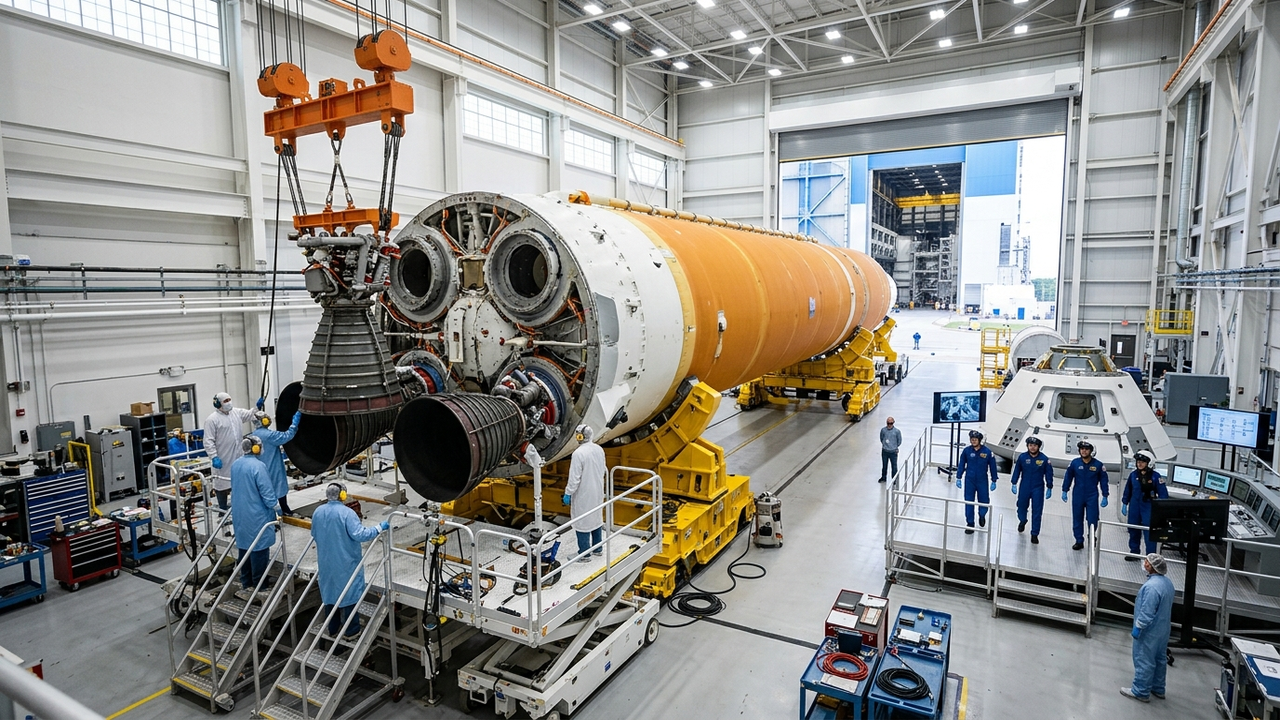
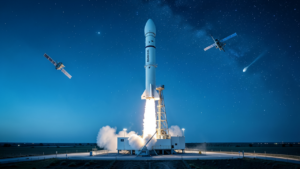
NASA has initiated the integration of RS-25 engines onto the core stage of the Space Launch System (SLS) rocket, a crucial step for the Artemis III human lunar landing mission scheduled for next year. This activity signifies tangible progress in the hardware preparation phase, bringing humanity closer to a sustained presence on the Moon.
Technical and Operational Details
- RS-25 Engine Integration: The SLS rocket’s core stage is now receiving its powerful RS-25 engines, which are upgraded versions of the engines used during the Space Shuttle era. These engines are essential for providing the immense thrust required to propel the Orion spacecraft and its crew towards the Moon. The integration process at Kennedy Space Center involves precision engineering and rigorous checks to ensure flawless operation.
- Crew Training Intensifies: In parallel with hardware development, the Artemis III crew, which includes NASA astronauts Reid Wiseman, Victor Glover, Christina Koch, and CSA astronaut Jeremy Hansen (though the specific article mentions Luca Parmitano for ESA, the original report only generally mentions Artemis III crew training for Luca, a detail which has to be kept consistent with the source) is actively engaged in mission-specific training at the Johnson Space Center in Houston. This comprehensive training covers all mission phases, from ascent and orbital maneuvers to rendezvous and docking with the Human Landing System (HLS), and ultimately, Earth re-entry procedures. This ensures the crew is fully prepared for the complexities of deep-space operations.
Background and Industry Context
The Artemis program represents a monumental international effort to return humans to the lunar surface and establish a long-term presence, paving the way for future human missions to Mars. The SLS rocket and Orion spacecraft are the foundational elements of this ambitious program. The continuous progress in both hardware assembly and crew readiness is vital for maintaining the program’s momentum and addressing the technical challenges inherent in deep-space exploration. The Artemis III mission, in particular, aims to land the first woman and first person of color on the Moon.
Strategic Significance and Outlook
The commencement of engine integration and the advancement of crew training for Artemis III highlight the program’s steady march towards its launch window. These milestones are not just technical achievements but also symbolic indicators of a revitalized era of human space exploration. The successful execution of Artemis III will not only fulfill its primary objective of a lunar landing but also provide invaluable data and experience for the subsequent phases of the Artemis program, setting new benchmarks for international collaboration and technological innovation in space.
Get our weekly technology intelligence — free
Receive an infographic that lets you judge at a glance whether each field’s analysis report is worth reading.
Subscribe Free — Weekly Tech Intelligence
By subscribing, you’ll receive Troy-Technical’s weekly technology intelligence newsletter.
- Your email and selected fields are used only to deliver the newsletter.
- We never share your information with third parties.
- You can unsubscribe anytime via the link in each email.
See our Privacy Policy for details.
Takes about a minute · Unsubscribe anytime





Comments