Key Findings
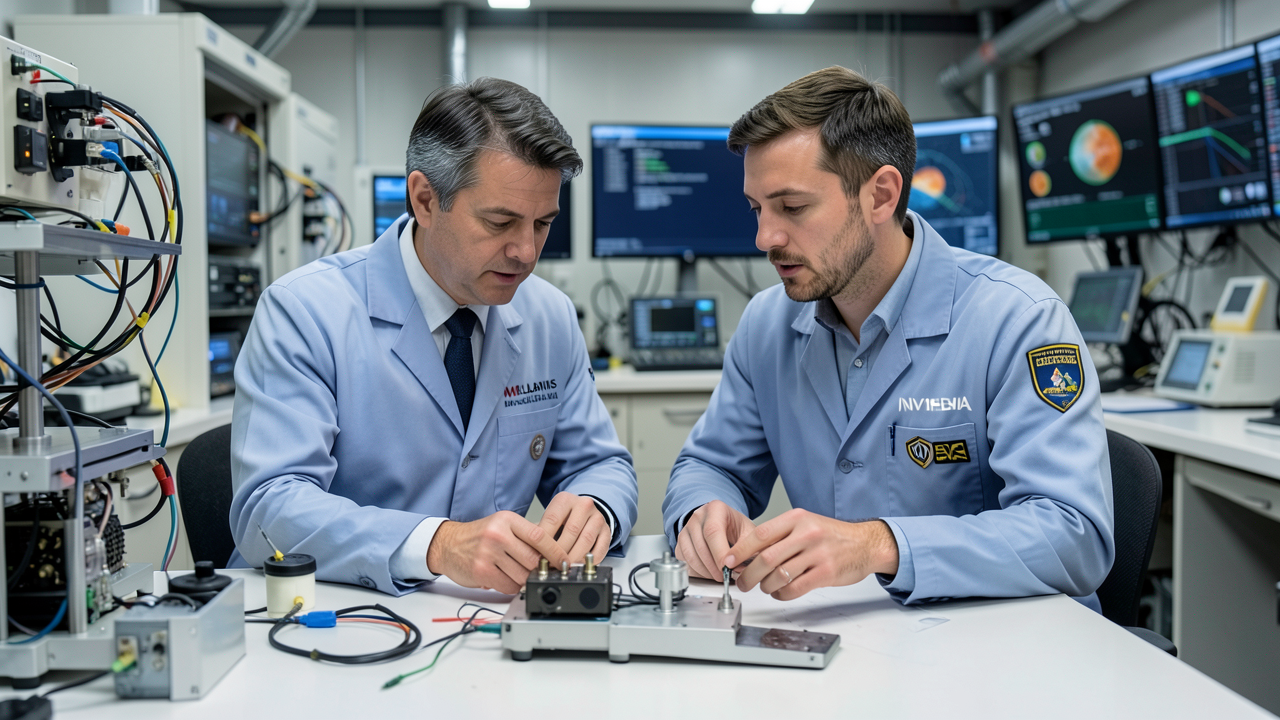
Matlantis has announced a breakthrough in catalyst materials discovery, where the integration of NVIDIA ALCHEMI with its proprietary Matlantis PFP (universal machine learning interatomic potential) enabled ENEOS Holdings to dramatically reduce the discovery timeline from years to mere months. This collaborative effort leveraged AI-powered atomic simulations to efficiently screen an astounding approximately 100 million candidate catalyst structures.
Technical / Clinical Details
Matlantis PFP, developed by Matlantis – a joint venture between Preferred Networks Inc. and ENEOS Corporation – is a cutting-edge machine learning interatomic potential (MLIP). It supports 96 chemical elements, offering remarkable versatility for application across a broad spectrum of material systems and industrial uses within a single model. The PFP boasts computational speeds tens of thousands of times faster than traditional first-principles calculation methods, all while preserving quantum-level accuracy. NVIDIA ALCHEMI, an optimized GPU acceleration platform for large-scale molecular dynamics simulations and materials science applications, when combined with PFP, facilitated ENEOS’s high-throughput screening of oxygen evolution reaction (OER) catalyst candidates.
Background & Context
Catalyst materials are central to numerous foundational industries, including chemical manufacturing, energy production, and environmental technologies. However, the discovery and development of new catalysts have historically been a significant bottleneck, demanding extensive experimental and computational resources. The convergence of AI and high-performance computing offers a transformative solution to this challenge, fundamentally altering the paradigm of materials development. ENEOS, as a major energy corporation, adopting an AI-driven approach is strategically vital for accelerating the transition to sustainable energy solutions.
Strategic Significance & Outlook
The successful integration of Matlantis PFP and NVIDIA ALCHEMI holds vast implications not only for catalyst materials discovery but also for other materials informatics fields such as battery materials, polymers, and semiconductors. The dramatic reduction in the discovery process directly translates to lower R&D costs and faster time-to-market, thereby accelerating technological innovation. This success story unequivocally demonstrates that AI and high-performance simulation are indispensable tools for the future of materials science, and it is anticipated that more companies will adopt similar approaches. Consequently, novel functional materials are expected to be deployed more rapidly into society.
Get our weekly technology intelligence — free
Receive an infographic that lets you judge at a glance whether each field’s analysis report is worth reading.
Subscribe Free — Weekly Tech Intelligence
By subscribing, you’ll receive Troy-Technical’s weekly technology intelligence newsletter.
- Your email and selected fields are used only to deliver the newsletter.
- We never share your information with third parties.
- You can unsubscribe anytime via the link in each email.
See our Privacy Policy for details.
Takes about a minute · Unsubscribe anytime







Comments