Key Findings
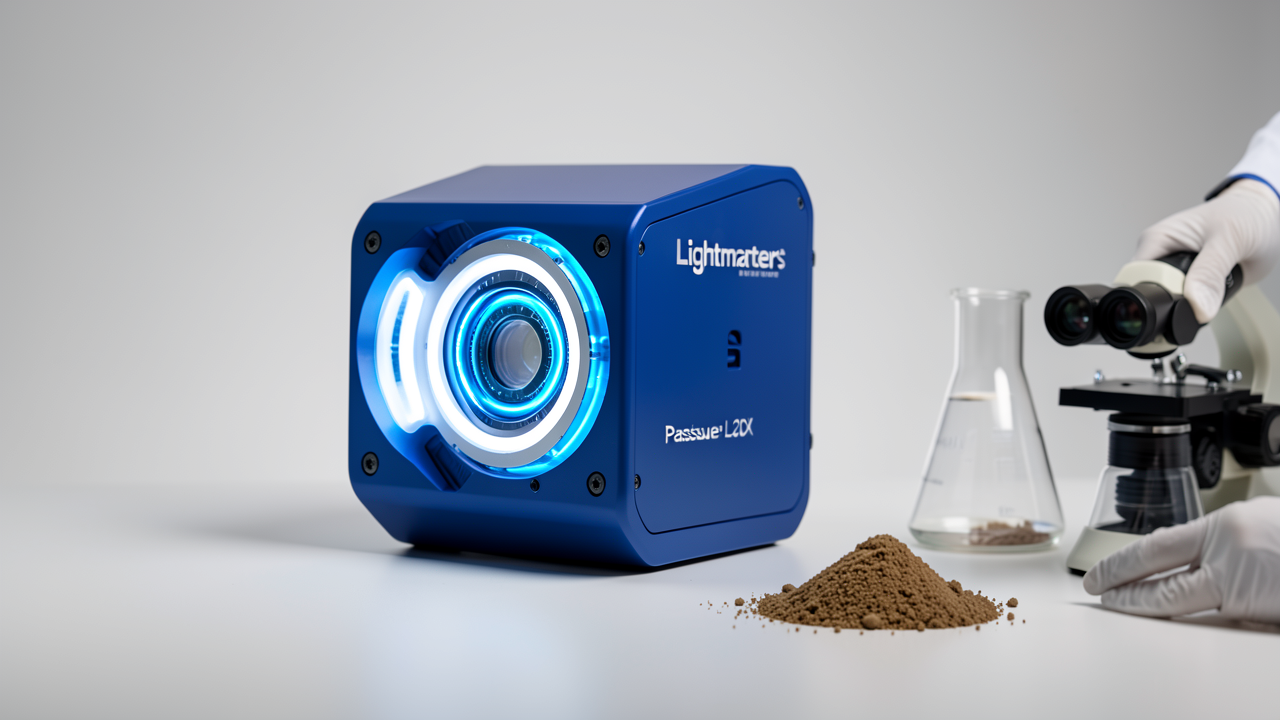
Lightmatter has made a significant leap in photonic computing by joining the Open CPX Multi-Source Agreement (MSA) and introducing the Passage L20 CPX, the industry’s inaugural bi-directional (BiDi) optical link technology module tailored for AI infrastructure. This module achieves an impressive 6.4 terabits per second (Tbps) of bandwidth from a single socket, dramatically reducing the necessary optical fibers and connectors by half, which is set to revolutionize the design and operational economics of AI data centers.
Technical / Clinical Details
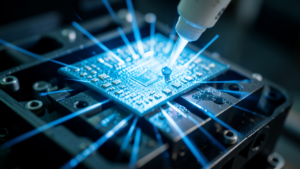
The Passage L20 CPX is powered by Lightmatter’s Passage L20 near-package optics (NPO) platform. NPO technology integrates optical components in extremely close proximity to high-performance chips like CPUs and GPUs, thereby mitigating the bandwidth and power bottlenecks inherent in traditional electrical interconnects. The adoption of bi-directional optical links streamlines the complex fiber routing within data centers, diminishing both the physical footprint and cooling demands. This enables the construction of denser AI clusters with enhanced performance and reduced latency, all while improving power efficiency.
Background & Context
The escalating demands of AI workloads have intensified the challenges of bandwidth and power efficiency within data center interconnects. Traditional electrical interconnect solutions are approaching their physical limits, positioning optical communication technologies as critical enablers for the next generation of AI infrastructure. Lightmatter’s engagement with the Open CPX MSA underscores a concerted industry effort towards standardization, fostering interoperability and accelerating ecosystem growth. The MSA aims to standardize the deployment of near-package optics, paving the way for broader adoption of optical computing technologies.
Strategic Significance & Outlook
This technological advancement by Lightmatter is poised to accelerate the deployment of AI clusters, decrease failure rates, and substantially lower operational expenditures. By delivering higher bandwidth with fewer fibers, it facilitates a more efficient and scalable approach to building AI supercomputers. The Passage L20 CPX and similar solutions are expected to establish new benchmarks for optical interconnects in AI data centers, driving the widespread adoption of energy-efficient, high-performance AI systems.
Get our weekly technology intelligence — free
Receive an infographic that lets you judge at a glance whether each field’s analysis report is worth reading.
Subscribe Free — Weekly Tech Intelligence
By subscribing, you’ll receive Troy-Technical’s weekly technology intelligence newsletter.
- Your email and selected fields are used only to deliver the newsletter.
- We never share your information with third parties.
- You can unsubscribe anytime via the link in each email.
See our Privacy Policy for details.
Takes about a minute · Unsubscribe anytime



Comments