Key Findings
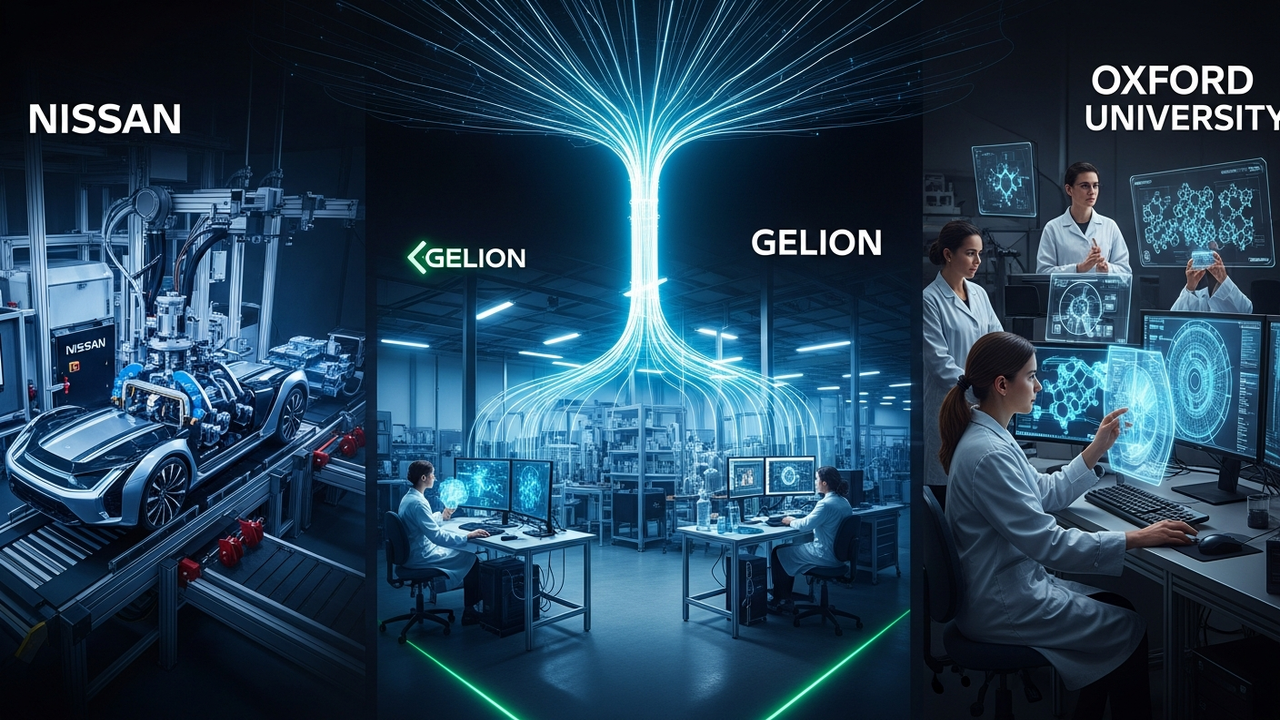
Nissan, in collaboration with battery technology firm Gelion and Oxford University, has initiated a three-year joint research project dubbed ‘CoRe-SoLiS’ to develop next-generation solid-state lithium-sulfur batteries for electric vehicles (EVs). This strategic partnership aims to achieve a breakthrough in high-performance, high-safety, and cost-effective EV batteries, with Nissan targeting the launch of its first EV featuring these solid-state batteries by 2028, specifically designed to be competitive on cost with Chinese-made batteries.
Technical / Clinical Details
The ‘CoRe-SoLiS’ project leverages the distinct strengths of each partner. Gelion contributes its innovative nano-encapsulated sulfur (NES™) cathode active material technology, which is crucial for enhancing the energy density and stability of lithium-sulfur batteries. Nissan brings its specialized expertise in solid-state battery development and mass production know-how, honed since the opening of its dedicated EV solid-state battery production line in January 2025. Oxford University supports the project with its cutting-edge research in advanced anode materials and cell integration techniques. This combined effort seeks to develop battery packs that feature high energy density, exceptional durability, inherent safety, and rapid charging capabilities.
Background & Context
In the fiercely competitive electric vehicle market, battery performance and cost are pivotal factors determining an automaker’s competitiveness. Solid-state batteries, offering superior energy density and safety compared to conventional liquid electrolyte lithium-ion batteries, are considered the most promising candidate for future EV power sources. Nissan has been an early and significant investor in solid-state battery development, and this international academic-industrial collaboration is a strategic move to accelerate technological progress and secure a competitive edge in the global market. The ability to achieve cost parity with Chinese battery manufacturers, who currently hold a significant market advantage, is a critical objective for Nissan.
Strategic Significance & Outlook
Should this project succeed, Nissan is expected to introduce EVs equipped with solid-state batteries to the market by 2028, establishing a foundation to compete on cost with Chinese battery manufacturers. This would mark a crucial milestone in Nissan’s EV strategy and could catalyze broader technological innovation and adoption across the entire EV market. The synergy from this collaboration is anticipated to maximize the development of next-generation batteries that balance both safety and performance, paving the way for their practical application.
Source: https://electrek.co/2026/06/04/nissan-solid-state-ev-battery-project-aims-for-cheaper-than-china/