Key Findings
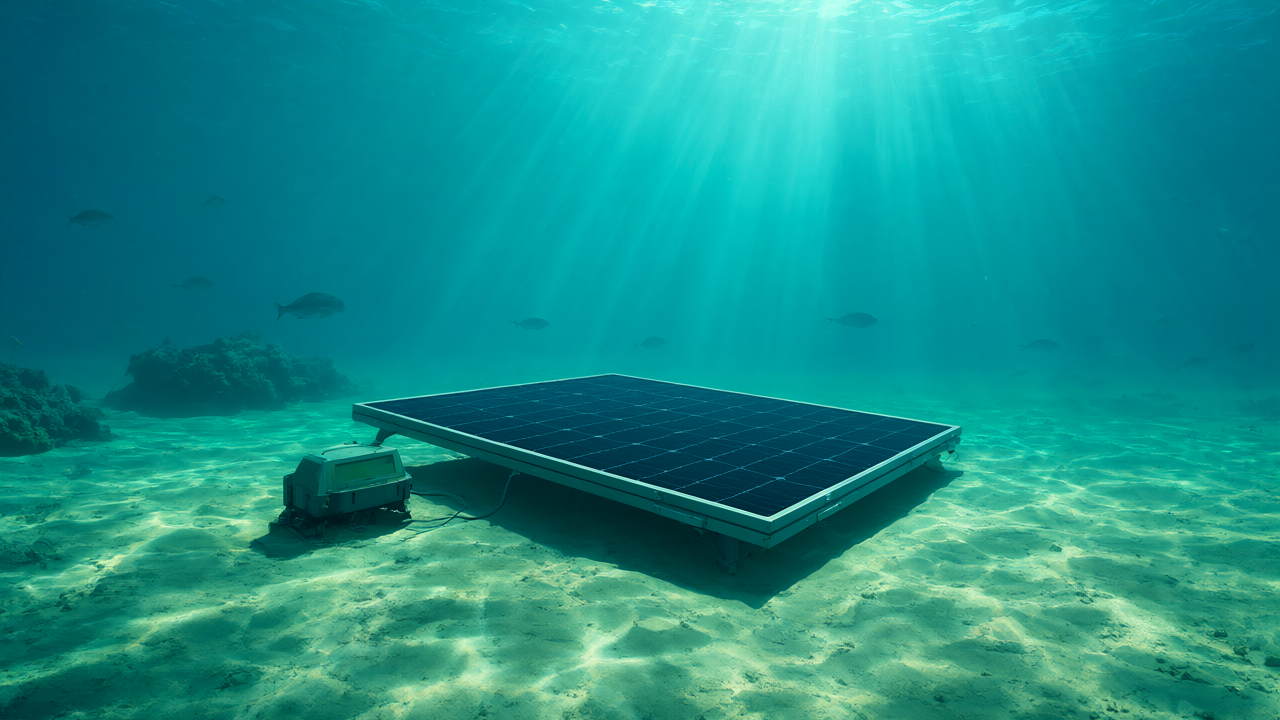
Popular technology media outlet TechRadar has highlighted groundbreaking research by a Chinese team that successfully operated perovskite solar cells at a depth of 10 meters, generating electricity underwater. This research represents a significant step towards realizing self-powered marine drones and sensors, overcoming the limitations of battery life in ocean exploration and surveillance activities.
Technical / Clinical Details
This underwater perovskite solar cell features a perovskite material composition specifically designed to maximize the utilization of blue-green light, the spectrum that penetrates water most effectively. The research team demonstrated the ability to efficiently convert sunlight into electricity even at a depth of 10 meters, successfully storing the generated power in lithium-ion batteries. In specific tests, the device accumulated 324 milliwatt-hours of electricity in just two hours of operation, an amount sufficient to power small electronic devices. This technology enables the use of light energy underwater, a feat challenging for conventional solar cells, and significantly enhances the autonomy of marine technologies.
Background & Context
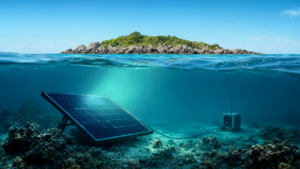
Energy supply in marine environments has been a long-standing challenge for the increasing number of underwater technologies, including oceanographic instruments, unmanned underwater vehicles (UUVs), and subsea sensor networks. These devices typically rely on limited battery life, frequent recharging, or expensive wired connections. Underwater power generation using perovskite solar cells offers a more sustainable and cost-effective energy source, potentially reducing operational costs and logistical challenges for these devices. This has implications across various fields such as climate change research, marine biology, defense, and subsea resource exploration.
Strategic Significance & Outlook
As emphasized by the TechRadar article, underwater perovskite solar cells pave the way for self-powered marine drones. This will enable long-duration ocean observation and data collection in remote areas, accelerating advancements in marine science. Moving forward, the research team is expected to focus on further improving device efficiency, durability, and cost-effectiveness. This technology has the potential to become an indispensable tool for the sustainable utilization of marine resources and global marine environmental monitoring in the future.
Get our weekly technology intelligence — free
Receive an infographic that lets you judge at a glance whether each field’s analysis report is worth reading.
Subscribe Free — Weekly Tech Intelligence
By subscribing, you’ll receive Troy-Technical’s weekly technology intelligence newsletter.
- Your email and selected fields are used only to deliver the newsletter.
- We never share your information with third parties.
- You can unsubscribe anytime via the link in each email.
See our Privacy Policy for details.
Takes about a minute · Unsubscribe anytime







Comments