Key Findings
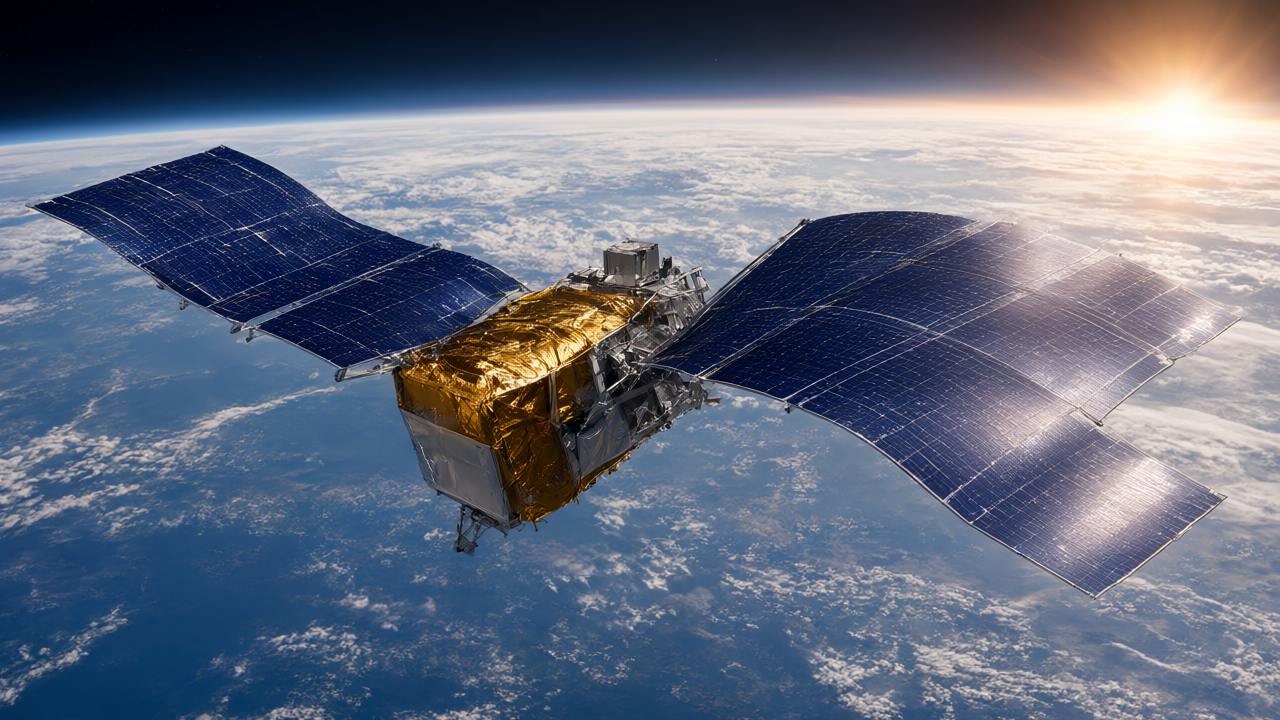
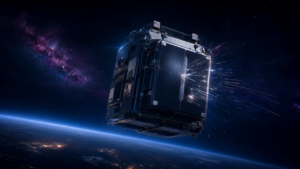
A recent review article published in the academic journal Acta Astronautica by researchers from the University of Surrey indicates that a shift from conventional gallium arsenide (GaAs)-based triple-junction solar cells to advanced silicon solar cells in satellite power systems could potentially reduce power supply costs by up to 90% and halve the overall weight of solar arrays. This represents a groundbreaking finding, poised to significantly improve the economics and deployment speed of small satellite constellations, and fundamentally reshape the cost structure of space utilization.
Technical / Clinical Details
The specific mechanisms for cost and weight reduction in silicon solar cells, as highlighted in the review, include:
- Lower Cost of Silicon Cells: Silicon is the second most abundant element in Earth’s crust, and manufacturing technologies for terrestrial solar cells are well-established, making it orders of magnitude cheaper to produce compared to gallium arsenide. These economies of scale in manufacturing are directly transferable to space-grade cells.
- Weight Reduction Mechanism: Traditionally, space-grade solar cells required thick cover glass for protection against space radiation. However, advancements in modern silicon cells have improved their intrinsic radiation tolerance, enabling the use of much thinner and lighter cover glass. This reduction in cover glass thickness is a major factor in significantly decreasing the overall weight of the solar array.
- Addressing Radiation Tolerance Challenges: While silicon typically has lower radiation tolerance compared to gallium arsenide, recent research has shown that radiation degradation can be mitigated through optimized structural design, improved doping profiles, and advances in surface passivation techniques. The review concludes that even with these advancements, the cost and weight benefits of silicon outweigh its remaining radiation tolerance challenges for many applications.
- Performance in Space Environments: For relatively low-radiation environments such as Low Earth Orbit (LEO), current silicon solar cells can deliver sufficient performance. Although further enhancements in radiation tolerance are required for higher orbits and deep-space missions, ongoing research is addressing these needs.
Background & Context
For decades, gallium arsenide-based solar cells have been the standard in the space industry due to their high conversion efficiency and excellent radiation tolerance. However, GaAs is expensive and its manufacturing process complex, leading to power systems constituting a significant portion of a satellite’s total cost. In recent years, with the explosive growth of small satellites (CubeSats and small satellite constellations), reducing the manufacturing cost of the satellites themselves, not just launch costs, has become a pressing concern. Particularly for constellations of communication and Earth observation satellites, which may involve deploying thousands to tens of thousands of satellites, the unit cost and weight reduction of solar cells are critical factors determining project success.
Strategic Significance & Outlook
The findings from the University of Surrey research team present the potential for a paradigm shift in the space industry. If silicon solar cells can fully realize their potential, drastically reducing the cost and weight of power systems per satellite, wide-ranging impacts are anticipated:
- Accelerated Constellation Deployment: The deployment of mega-constellations for communication (e.g., Starlink, OneWeb) could further accelerate, making cheaper and faster space-based internet services universally accessible.
- Creation of New Space Missions: Relaxed cost and weight constraints will make a wider variety of scientific and commercial missions (e.g., in-space manufacturing, orbital servicing) economically viable.
- Space Access for Developing Nations: The proliferation of low-cost satellites will expand opportunities for developing nations to build their own space capabilities and establish Earth observation and communication infrastructure.
- Increased Competition in Solar Cell Technology: GaAs-based manufacturers will face intensified competition from silicon technology, necessitating advancements in conversion efficiency and cost reduction to remain competitive.
Future research will focus on accumulating long-term reliability data for silicon solar cells in space environments and further enhancing their radiation tolerance. As this technology matures, it has the potential to become a key driver for the democratization of space utilization and the explosive growth of the space economy.
Source: https://www.surrey.ac.uk/news/silicon-solar-cells-could-cut-satellite-power-costs-90-cent
Get our weekly technology intelligence — free
Receive an infographic that lets you judge at a glance whether each field’s analysis report is worth reading.
Subscribe Free — Weekly Tech Intelligence
By subscribing, you’ll receive Troy-Technical’s weekly technology intelligence newsletter.
- Your email and selected fields are used only to deliver the newsletter.
- We never share your information with third parties.
- You can unsubscribe anytime via the link in each email.
See our Privacy Policy for details.
Takes about a minute · Unsubscribe anytime

Comments