Key Findings
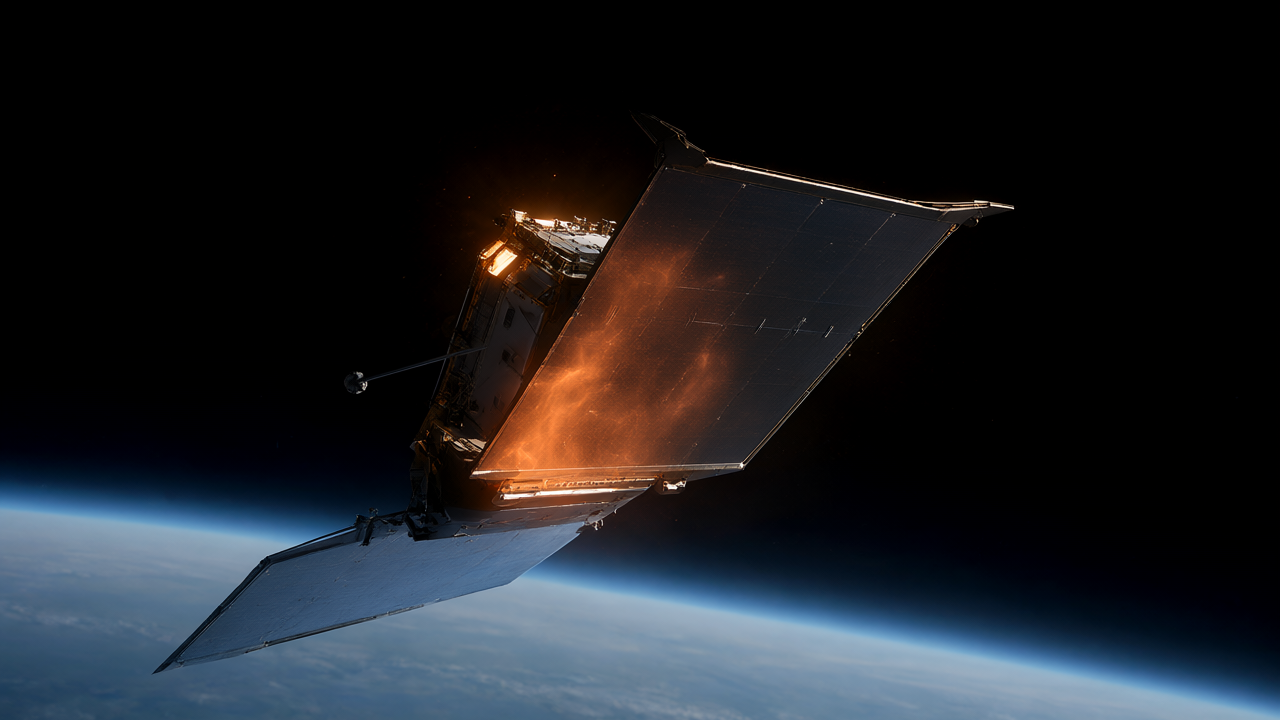
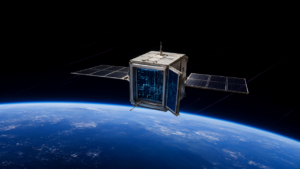
Google is preparing to launch its experimental MVP satellite next week, marking the first in-orbit test for ‘Project Suncatcher,’ an initiative exploring the feasibility of operating AI data centers in space. This satellite will be equipped with four Tensor Processing Units (TPUs) and 1,000W of solar power, providing computational capabilities akin to a single Earth-based server. Designed to handle AI tasks for one year, this mission represents a crucial step in understanding the potential of orbital AI computing.
Technical / Clinical Details
At the core of the MVP satellite are Google’s custom-designed high-performance AI chips, the TPUs, which are optimized for efficient processing of machine learning workloads. Power will be supplied by a 1-kilowatt solar array, enabling sustained operation in low Earth orbit. However, thermal management in the vacuum of space presents a significant challenge; the article notes that continuous AI workloads will be limited to 15-minute intervals due to overheating concerns. To address this, Google is developing advanced passive cooling systems, utilizing heat pipes and radiators to efficiently dissipate heat from the processors into space. The successful implementation and performance of this cooling technology will be key to unlocking long-term space-based AI computing capabilities.
Background & Context
As AI processing demands surge, terrestrial data centers face escalating power consumption and cooling complexities. Google’s Project Suncatcher offers an innovative approach to these challenges by exploring the potential of computing in space. Low Earth orbit satellites can access nearly 24/7 sunlight, generating up to eight times more solar energy than ground-based panels, making space an ideal energy source for AI workloads. Visionaries like Elon Musk have also predicted that most AI computing will eventually migrate to space, underscoring the growing industry-wide interest in orbital computing solutions.
Strategic Significance & Outlook
The launch and year-long operation of the MVP satellite are essential for validating the scalability and sustainability of AI infrastructure in space. Overcoming the initial operational limits imposed by thermal management will be a critical focus for future development. If successful, this technology could lead to transformative advancements in various sectors, including the analysis of Earth observation data from space, autonomous operation of satellite constellations, and AI integration into space exploration missions. Google’s initiative has the potential to carve out a new frontier for AI computing within the burgeoning space economy.
Get our weekly technology intelligence — free
Receive an infographic that lets you judge at a glance whether each field’s analysis report is worth reading.
Subscribe Free — Weekly Tech Intelligence
By subscribing, you’ll receive Troy-Technical’s weekly technology intelligence newsletter.
- Your email and selected fields are used only to deliver the newsletter.
- We never share your information with third parties.
- You can unsubscribe anytime via the link in each email.
See our Privacy Policy for details.
Takes about a minute · Unsubscribe anytime





Comments