
Key Findings
A novel combination therapy, leveraging nanoparticle polymeric micellar paclitaxel, has achieved remarkable results in a Phase II clinical trial for advanced lung cancer conducted in China. The treatment demonstrated a high objective response rate (ORR) of 78.6% among patients with advanced lung cancer, along with a promising median progression-free survival (PFS) of 18.2 months. The side effect profile was manageable, suggesting the potential for significantly improved patient outcomes compared to conventional treatments.
Technical / Clinical Details
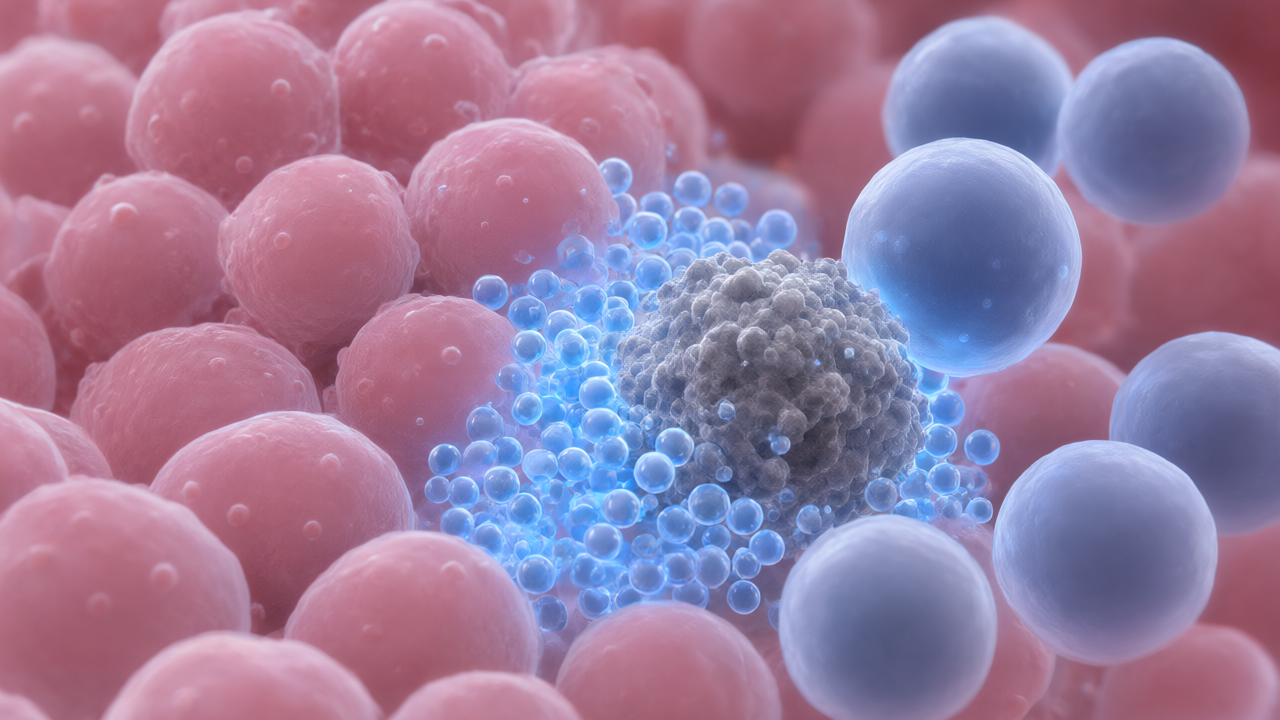
- Therapeutic Agent: Paclitaxel delivered via nanoparticle polymeric micelles. This system aims to enhance intra-tumor drug concentration and reduce systemic toxicity compared to conventional paclitaxel formulations.
- Combination Therapy: The nanoparticle paclitaxel was administered in conjunction with standard chemotherapy and immunotherapy. This multi-pronged approach is believed to have created synergistic effects, boosting treatment efficacy.
- Target Indication: Advanced lung cancer, which remains one of the leading causes of cancer-related deaths globally, urgently requires more effective therapeutic options.
- Trial Results:
- Objective Response Rate (ORR): 78.6%
- Median Progression-Free Survival (PFS): 18.2 months
- Safety Profile: Side effects were manageable, with no unexpected serious adverse events reported.
- These results highlight the potential of nanoparticle technology to enhance treatment effectiveness, particularly in challenging advanced-stage cancers.
Background & Context
Lung cancer treatment has advanced with targeted therapies and immune checkpoint inhibitors, yet options for advanced-stage patients remain limited. Paclitaxel is a widely used chemotherapy drug, but its poor solubility and side effects have been significant drawbacks. Nanoparticle technology offers a promising avenue to overcome these challenges by enhancing drug stability and enabling tumor-specific delivery. This success underscores the transformative potential of nanomedicine in cancer therapy.
Strategic Significance & Outlook
Following these encouraging Phase II results, the therapy is expected to proceed to larger Phase III clinical trials to further validate its efficacy and safety. If approved, nanoparticle paclitaxel combination therapy could become a new standard treatment for advanced lung cancer patients, significantly improving response rates and survival. This approach also suggests broader applicability to other solid tumor types, accelerating further research and development in nanoparticle drug delivery technologies.
Get our weekly technology intelligence — free
Receive an infographic that lets you judge at a glance whether each field’s analysis report is worth reading.
Subscribe Free — Weekly Tech Intelligence
By subscribing, you’ll receive Troy-Technical’s weekly technology intelligence newsletter.
- Your email and selected fields are used only to deliver the newsletter.
- We never share your information with third parties.
- You can unsubscribe anytime via the link in each email.
See our Privacy Policy for details.
Takes about a minute · Unsubscribe anytime