Key Findings
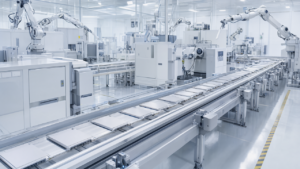
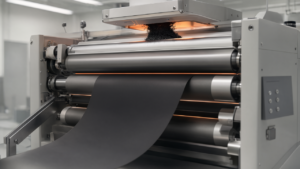
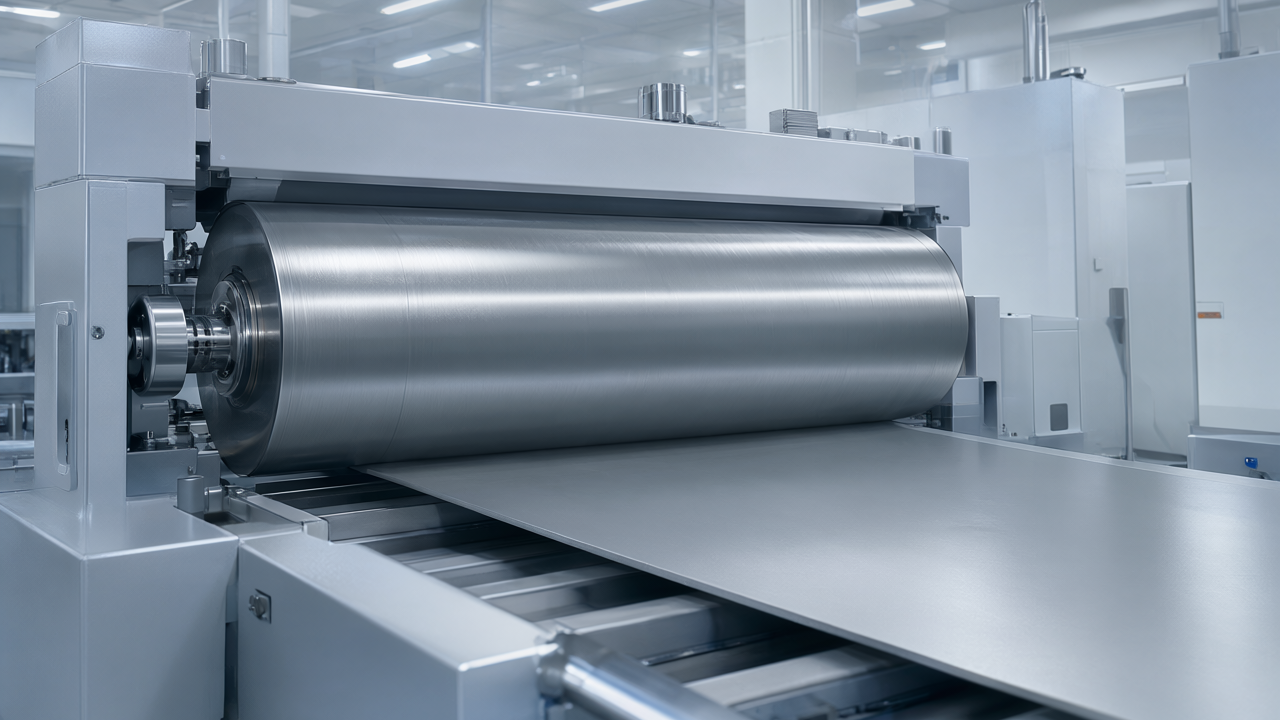
Honda has commenced operations at its solid-state battery pilot production line, achieving a significant breakthrough by employing a novel roll-press technology. This method has successfully improved the density of the solid electrolyte layer and, consequently, the energy efficiency of the batteries. This advance is critical for enhancing the contact between the powdered solid electrolyte and the electrodes, representing a major stride in the development of automotive-sized solid-state batteries.
Technical / Clinical Details
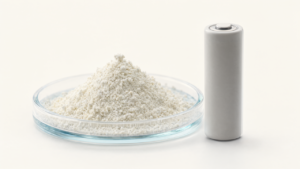
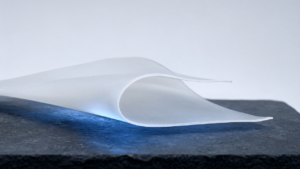
The roll-press technique involves uniformly compacting the solid electrolyte and electrode materials, thereby optimizing the ionic conduction pathways and reducing interfacial resistance—a common challenge in conventional manufacturing. This process is instrumental in mitigating resistance increases caused by poor interfacial contact, leading to a substantial improvement in the overall energy efficiency of the battery. The operational status of this pilot line signifies a critical milestone for an automaker in the journey towards mass production of solid-state batteries. Honda believes this technology forms the foundation for achieving the high energy density, safety, and longevity required for next-generation electric vehicles.
Background & Context
Solid-state batteries are widely recognized for their potential to offer superior energy density, safety, and faster charging capabilities compared to current lithium-ion batteries. They are considered essential for extending the range and reducing the cost of electric vehicles (EVs), driving intense global competition among automotive and battery manufacturers. Honda has set an ambitious target to produce only battery electric vehicles (BEVs) and fuel cell vehicles (FCEVs) globally by 2040, making the early commercialization of solid-state battery technology indispensable for achieving this goal.
Strategic Significance & Outlook
The activation of this pilot production line is expected to accelerate Honda’s identification and resolution of technical challenges associated with mass production. Further optimization and cost reduction of the roll-press technology could bring solid-state batteries significantly closer to commercial viability. This achievement represents a pivotal step for Honda towards realizing its vision of a sustainable mobility society and has the potential to accelerate the transformation of the broader EV market.
Source: https://www.topspeed.com/science-behind-honda-solid-state-battery-breakthrough/
Get our weekly technology intelligence — free
Receive an infographic that lets you judge at a glance whether each field’s analysis report is worth reading.
Subscribe Free — Weekly Tech Intelligence
By subscribing, you’ll receive Troy-Technical’s weekly technology intelligence newsletter.
- Your email and selected fields are used only to deliver the newsletter.
- We never share your information with third parties.
- You can unsubscribe anytime via the link in each email.
See our Privacy Policy for details.
Takes about a minute · Unsubscribe anytime