

Key Findings
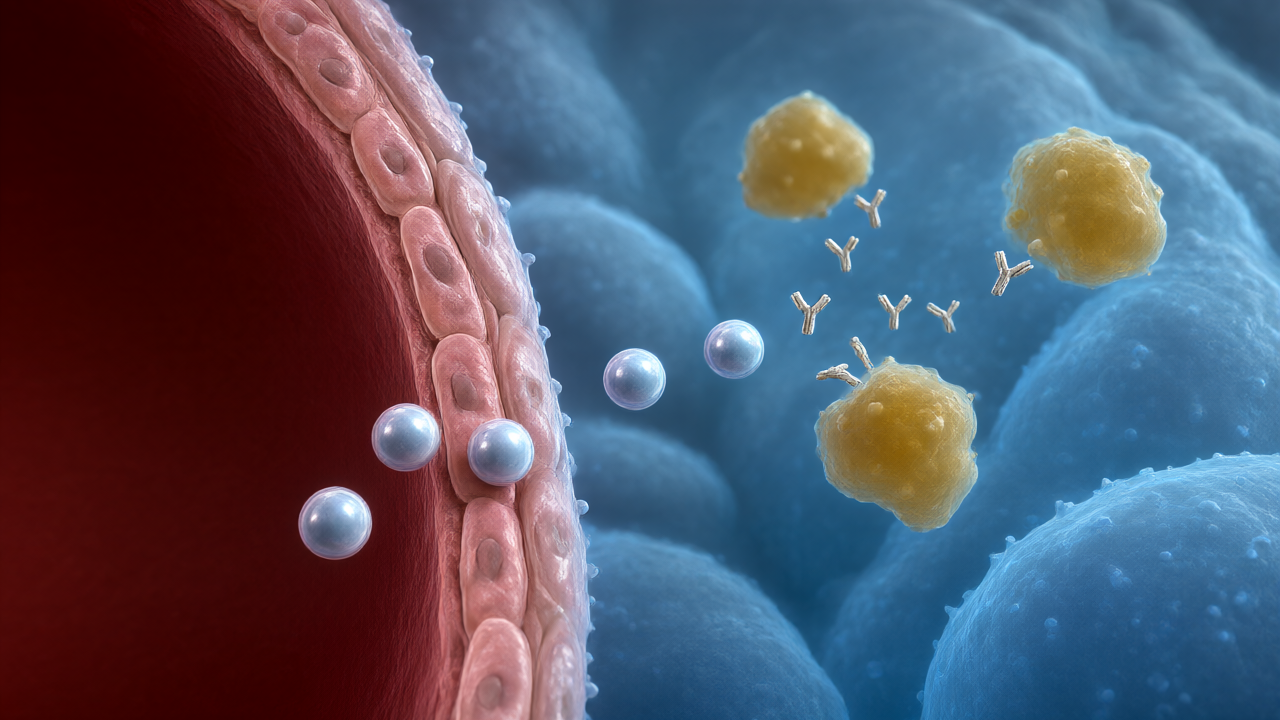
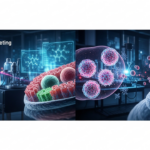
A research team led by Dr Derrick Gibbings and Dr Huishan Guo has demonstrated a therapeutic approach that successfully delivers engineered antibodies into brain tissue to eliminate disease-causing protein aggregates. Published in Nature Biomedical Engineering, the study shows that combining extracellular vesicles with modified antibodies significantly enhances the clearance of pathological Tau and TDP-43 proteins in cell cultures and mouse models of Alzheimer’s, dementia, and ALS.
Technical Details
The strategy addresses two primary hurdles in neurodegenerative treatment: delivery and degradation.
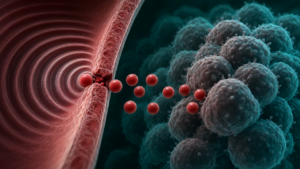
- Blood-Brain Barrier (BBB) Penetration: To bypass the BBB, which typically restricts foreign substances from the central nervous system, the team utilized extracellular vesicles. These cell-derived nanoparticles act as delivery vehicles to transport biopharmaceuticals across blood vessel walls. This is a critical improvement over traditional intravenous administration, where approximately only 1 in 10,000 antibody drugs successfully penetrates brain tissue.
- Engineered Autophagy Receptors: To ensure the target proteins are destroyed rather than merely bound, the researchers modified antibodies with molecular tags. These tags direct the bound pathological proteins into cellular autophagosomes, triggering autophagy—the cell’s natural waste-disposal mechanism—for complete degradation.
Background and Context
Conventional neuro-antibody clinical trials have seen substantial biotechnology investment but have yielded limited patient benefit. This failure is largely attributed to the inability of standard antibodies to either cross the BBB in sufficient quantities or successfully degrade the pathological proteins once they reach the brain.
Significance and Outlook
Preclinical validation indicates that animal models receiving this combined treatment exhibited measurable improvements in cognitive and motor symptoms. By providing a mechanistic blueprint for both delivery and target clearance, the uOttawa team is now advancing these findings toward clinical trial protocols to evaluate the safety and efficacy of the method in human patients.
Get our weekly technology intelligence — free
Receive an infographic that lets you judge at a glance whether each field’s analysis report is worth reading.
Subscribe Free — Weekly Tech Intelligence
By subscribing, you’ll receive Troy-Technical’s weekly technology intelligence newsletter.
- Your email and selected fields are used only to deliver the newsletter.
- We never share your information with third parties.
- You can unsubscribe anytime via the link in each email.
See our Privacy Policy for details.
Takes about a minute · Unsubscribe anytime