


Key Findings
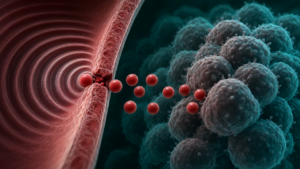
MIT researchers have created an automated platform that manufactures lipid nanoparticles (LNPs) with unprecedented control over their physical dimensions. The system utilizes a closed-loop process that allows for the production of particles matching specific size and shape specifications without human intervention, significantly accelerating the trial-and-error phase of RNA and DNA medicine development.
Technical Details
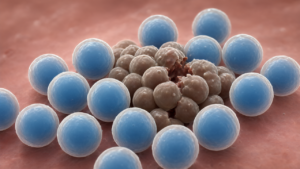
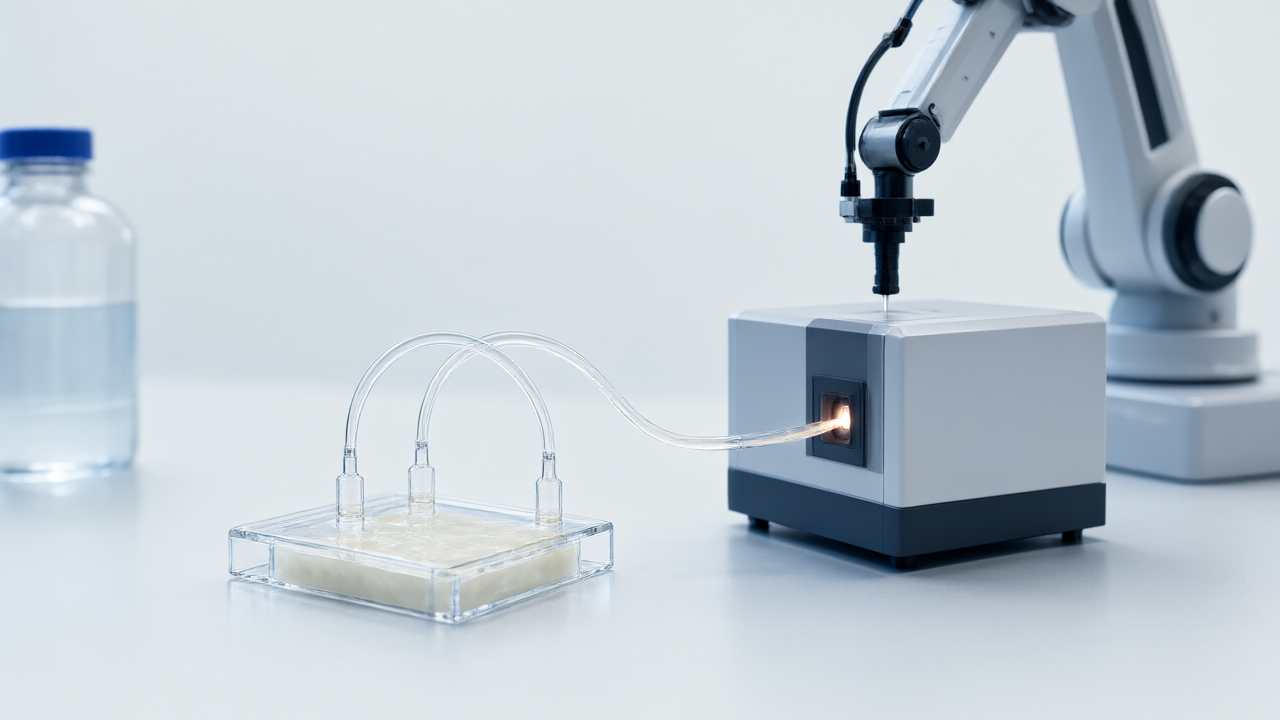
The platform is based on a two-step mixing methodology. In the first stage, mRNA and lipids are combined at equal flow rates to initiate nucleation and growth. After a precisely timed delay—referred to as residence time—additional buffer is injected to halt growth. This residence time acts as a lever: long delays produce large particles, while short delays keep them small. Furthermore, adjusting the composition of the second-step buffer allows the team to morph particles from spheres into elongated, avocado-like forms.
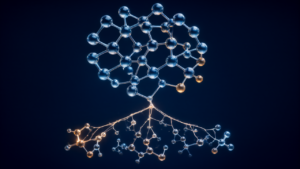
To achieve automation, the team integrated the mixing system with a commercially available dynamic light scattering device. This allows the system to:
- Measure particle sizes in real time.
- Automatically adjust delay times and operating parameters if the output misses the target size.
- Generate datasets to train a machine-learning model capable of predicting the factors needed for specific sizes or shapes on demand.
Notably, these adjustments to size and shape are achieved without altering the chemical composition of the nanoparticles.
Background & Context
LNPs are essential for RNA therapies because mRNA is otherwise degraded by enzymes within minutes of injection. A typical LNP consists of four components: an ionizable lipid, a phospholipid, cholesterol, and a PEG-lipid. Conventional mixing methods typically use three times more mRNA solution than lipid solution, a ratio that promotes formation but offers little control over dimensions. Because particle size determines biodistribution—such as whether a particle can be taken up by the liver—this lack of control has been a persistent bottleneck.
Significance & Outlook
By shifting LNP production from iterative tinkering to an engineering discipline, the platform enables researchers to systematically explore design spaces for fixed formulations. This automation provides the speed and data necessary to predictively achieve desired properties, potentially shortening the development pipeline for nucleic acid drugs.
Source: https://bioengineer.org/automated-lipid-nanoparticle-platform-promises-faster-rna-therapy-design/
Get our weekly technology intelligence — free
Receive an infographic that lets you judge at a glance whether each field’s analysis report is worth reading.
Subscribe Free — Weekly Tech Intelligence
By subscribing, you’ll receive Troy-Technical’s weekly technology intelligence newsletter.
- Your email and selected fields are used only to deliver the newsletter.
- We never share your information with third parties.
- You can unsubscribe anytime via the link in each email.
See our Privacy Policy for details.
Takes about a minute · Unsubscribe anytime