


Key Findings
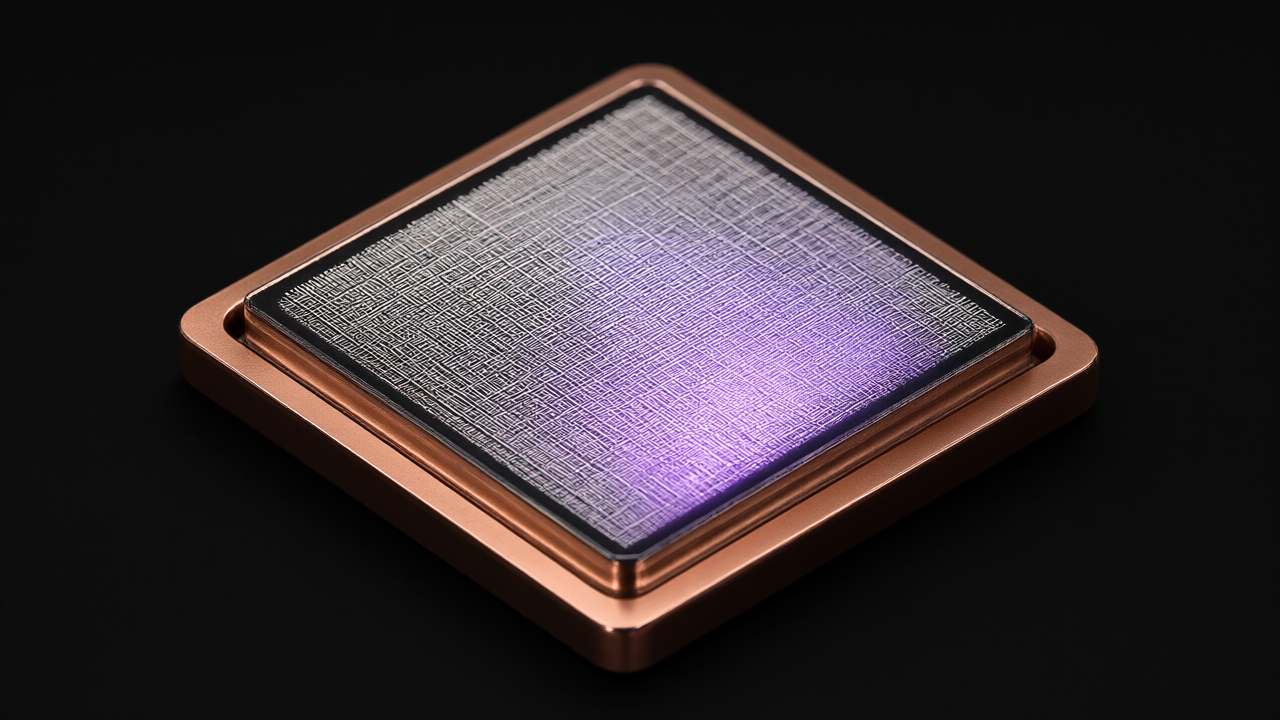
Google Quantum AI has successfully implemented magic state cultivation on the Willow processor, achieving a 40-fold reduction in errors relative to un-cultivated states. The team reported a record logical fidelity of 99.99% for T-states. These results, published in Science, provide the first practical demonstration of a solution to a severe resource bottleneck in quantum computing.
Technical Details
The cultivation process acts as a filter to produce high-purity quantum states. The protocol involves injecting a noisy state into a small region of the quantum chip and executing a series of coordinated measurements to identify and remove flawed attempts. This allows the system to “cultivate” a low-error state that can be adapted into a larger encoding.
During development, researchers identified that electrical equipment drift and temperature variation caused noise that interfered with benchmarking. To resolve this, the team implemented additional system controls and developed a new benchmarking technique that uses cultivation to measure itself. Additionally, the team demonstrated the ability to switch between different error correction methods, grafting states from a distance-3 color code to a distance-5 surface code.
Background & Context
Universal quantum computing requires specific quantum operations that rely on “magic states.” Historically, creating high-quality, error-corrected magic states has been resource-intensive; some estimates suggested up to 95% of a quantum computer’s capacity could be consumed by their production. Furthermore, magic states are a scarce resource because they cannot be reused once consumed.
Significance & Outlook
By reducing the overhead required for magic state production, this approach could substantially decrease the physical size of the quantum computer needed for practical tasks. While the team notes that cultivation must still be demonstrated at a larger scale and further technical challenges remain, the experiment turns a theoretical concept from 2024 into a demonstrated reality. This moves Google Quantum AI closer to building a useful, error-corrected quantum computer capable of solving otherwise unsolvable problems.
Get our weekly technology intelligence — free
Receive an infographic that lets you judge at a glance whether each field’s analysis report is worth reading.
Subscribe Free — Weekly Tech Intelligence
By subscribing, you’ll receive Troy-Technical’s weekly technology intelligence newsletter.
- Your email and selected fields are used only to deliver the newsletter.
- We never share your information with third parties.
- You can unsubscribe anytime via the link in each email.
See our Privacy Policy for details.
Takes about a minute · Unsubscribe anytime