
Key Findings
A Hong Kong research team achieved a 100% complete remission rate in six pediatric patients with relapsed B-cell acute lymphoblastic leukaemia using a locally manufactured CAR-T therapy. The production process reduced the vein-to-vein time to exactly 14 days for all patients. All six patients showed negative minimal residual disease one month after infusion and remained in continuous remission at a median follow-up of 9 months.
Technical Details
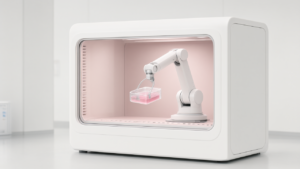
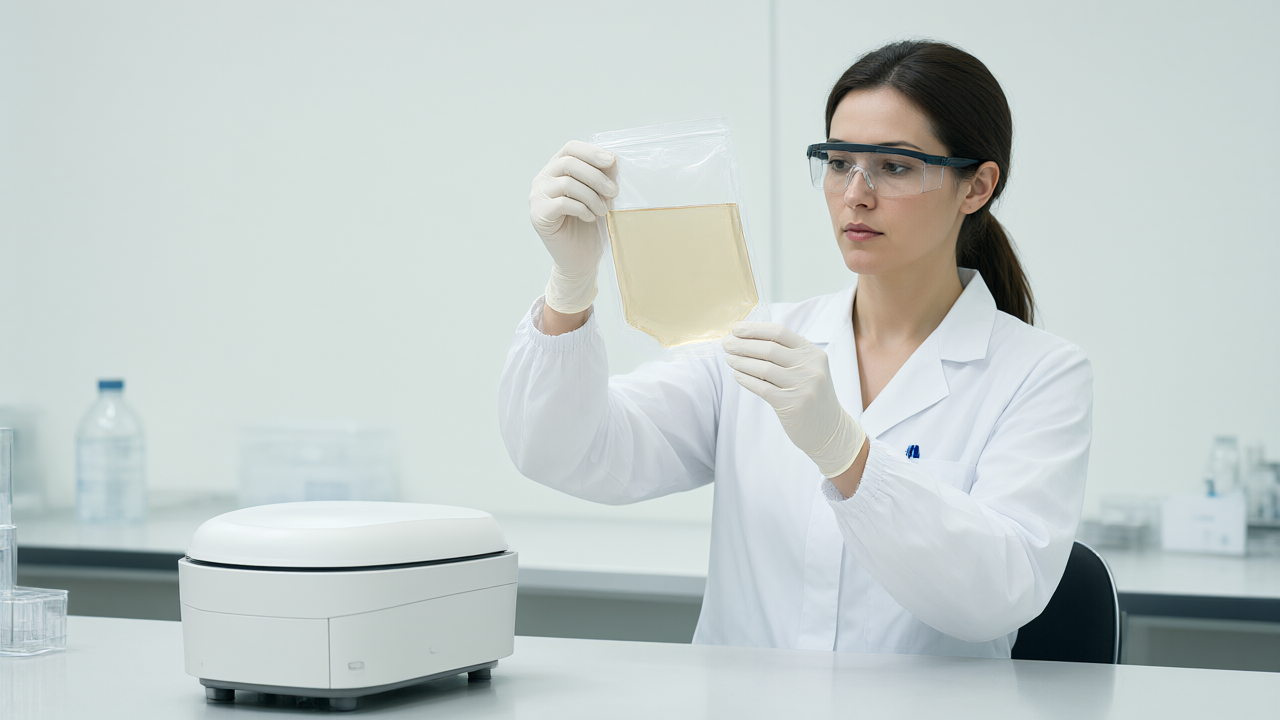
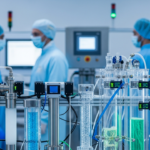
The manufacturing utilized the CliniMACS Prodigy system, a closed, fully automated platform operating in a Grade C clean room compliant with Pharmaceutical Inspection Co-operation Scheme GMP guidelines. The process involved T-cell selection, activation, lentiviral transduction, expansion, and harvest without cryopreservation. The CAR construct targeted CD19 using an FMC63 single-chain variable fragment, a CD8 hinge, a TNFRSF19-derived transmembrane region, a 4-1BB co-stimulatory domain, and a CD3-zeta activation domain.
- Cell Dose: Median infused dose was 2.64 million CAR-positive viable T cells per kg.
- Efficiency: Median transduction efficiency was 42.86%, with median CD3-positive cell viability at 96.22%.
- Quality Control: Potency required at least 30% specific lysis of CD19-expressing target cells at a 5:1 effector-to-target ratio.
Background & Context
Commercial CAR-T products, such as tisagenlecleucel (Kymriah), are priced at USD 475,000 and typically require four to eight weeks for delivery due to overseas manufacturing and cryopreservation. This delay can lead to disease progression during the waiting period. The Hong Kong team sought to determine if a fresh, non-cryopreserved product produced locally could maintain safety and quality while shortening the timeline.
Significance & Outlook
While toxicity occurred—including grade 1 cytokine release syndrome (CRS) in five patients and one case of grade 3 CRS with grade 4 immune effector cell-associated haemophagocytic lymphohistiocytosis-like syndrome—all patients recovered. The study proves that automated, local production can drastically reduce delivery times. However, researchers noted that transduction efficiency and viable cell numbers varied between batches, requiring further investigation.
Get our weekly technology intelligence — free
Receive an infographic that lets you judge at a glance whether each field’s analysis report is worth reading.
Subscribe Free — Weekly Tech Intelligence
By subscribing, you’ll receive Troy-Technical’s weekly technology intelligence newsletter.
- Your email and selected fields are used only to deliver the newsletter.
- We never share your information with third parties.
- You can unsubscribe anytime via the link in each email.
See our Privacy Policy for details.
Takes about a minute · Unsubscribe anytime