

Key Findings
Fraunhofer ISE, in collaboration with equipment manufacturer IKA, has developed a dry-coating process for sodium-ion battery electrodes that eliminates both solvents and per- and polyfluoroalkyl substances (PFAS). The process is estimated to reduce capital expenditure (CapEx) per production line by at least 15% and operating expenditure (OpEx) by 10% to 20% relative to conventional wet-coating lines. Furthermore, the elimination of drying, calendaring, and bonding agent application steps could reduce energy consumption and associated CO2 emissions by approximately 50%.
Technical Details
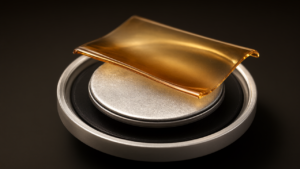
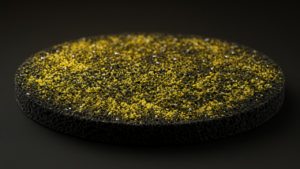
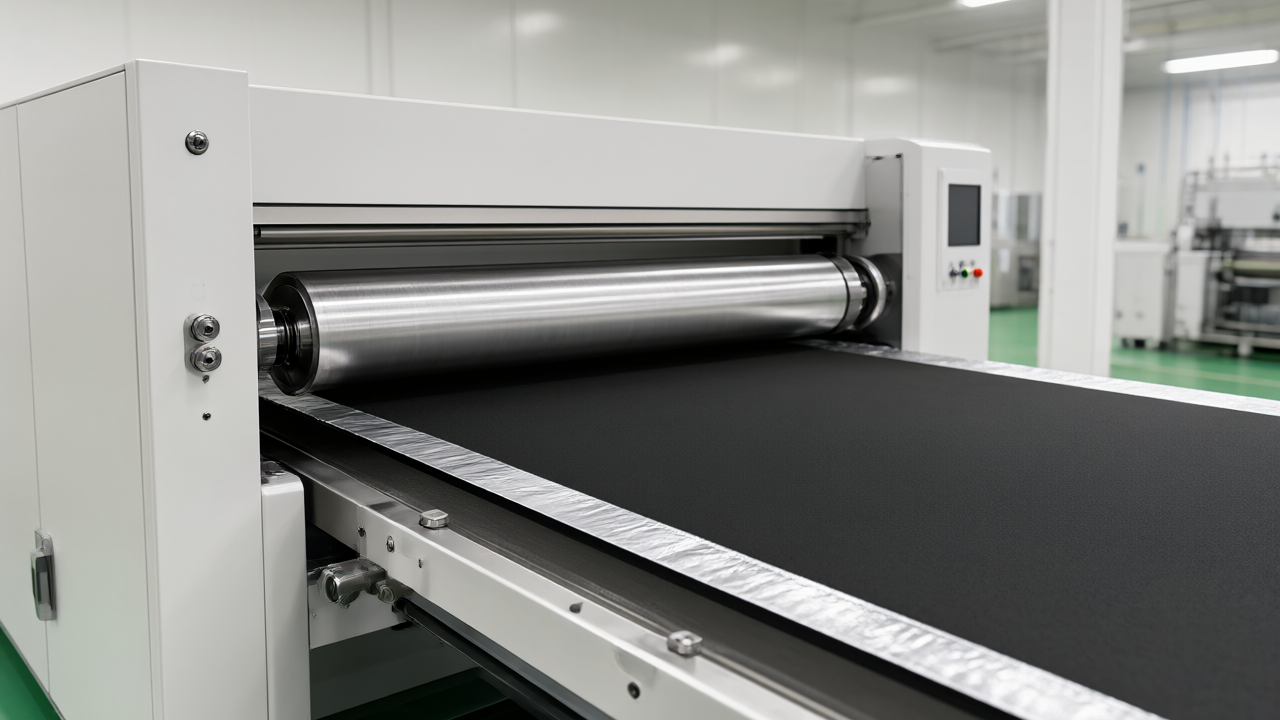
Developed under the LAENDLE research project, the process utilizes continuous kneading to prepare electrode materials without the need for PFAS-based binders. Researchers identified two classes of PFAS-free polymer binders suitable for this dry-coating application. The team produced freestanding electrode films with thicknesses ranging from 80 to 180 µm, which can be attached directly to a metal current-collector foil. Notably, the process removes the requirement for an additional bonding agent on the metal foil, simplifying the manufacturing sequence. Fraunhofer ISE states that this process can be integrated into existing dry-coating production lines without altering subsequent manufacturing steps.
Background & Context
Conventional battery electrode manufacturing typically relies on a wet-coating process, where materials are mixed with solvents, applied to metal foil, and dried. While some existing dry-coating methods exist to reduce energy use, many still depend on PFAS-based chemicals to bind electrode materials. The LAENDLE project seeks to eliminate these environmental and financial burdens.
Significance & Outlook
Project manager Dr. Oliver Fitz notes that reducing equipment requirements and simplifying the coating process may make battery electrode manufacturing more accessible to small and medium-sized enterprises. The project, funded by the Baden-Württemberg Ministry of Economic Affairs, Labor, and Tourism, is scheduled to continue until June 2027. Future phases will focus on scaling the technology to pouch-cell production and reducing binder amounts to levels found in commercial battery manufacturing.
Source: https://taiyangnews.info/technology/fraunhofer-ise-develops-pfas-free-battery-electrode-process
Get our weekly technology intelligence — free
Receive an infographic that lets you judge at a glance whether each field’s analysis report is worth reading.
Subscribe Free — Weekly Tech Intelligence
By subscribing, you’ll receive Troy-Technical’s weekly technology intelligence newsletter.
- Your email and selected fields are used only to deliver the newsletter.
- We never share your information with third parties.
- You can unsubscribe anytime via the link in each email.
See our Privacy Policy for details.
Takes about a minute · Unsubscribe anytime