

Key Findings
In a treatment test using actual samples, A Holdings and its group company, Suruga GX Technology, demonstrated the ability to decompose PFAS concentrates. Under specific conditions involving additives, the concentrations of PFOS, PFOA, and PFHxS were reduced to below the analytical detection limit of 50ng/L. Quantitatively, this represents a reduction of 99.89% or more for PFOS and 99.999% or more for PFOA.
Technical Details
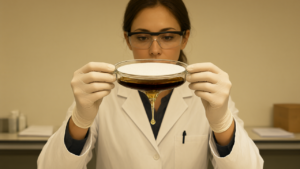
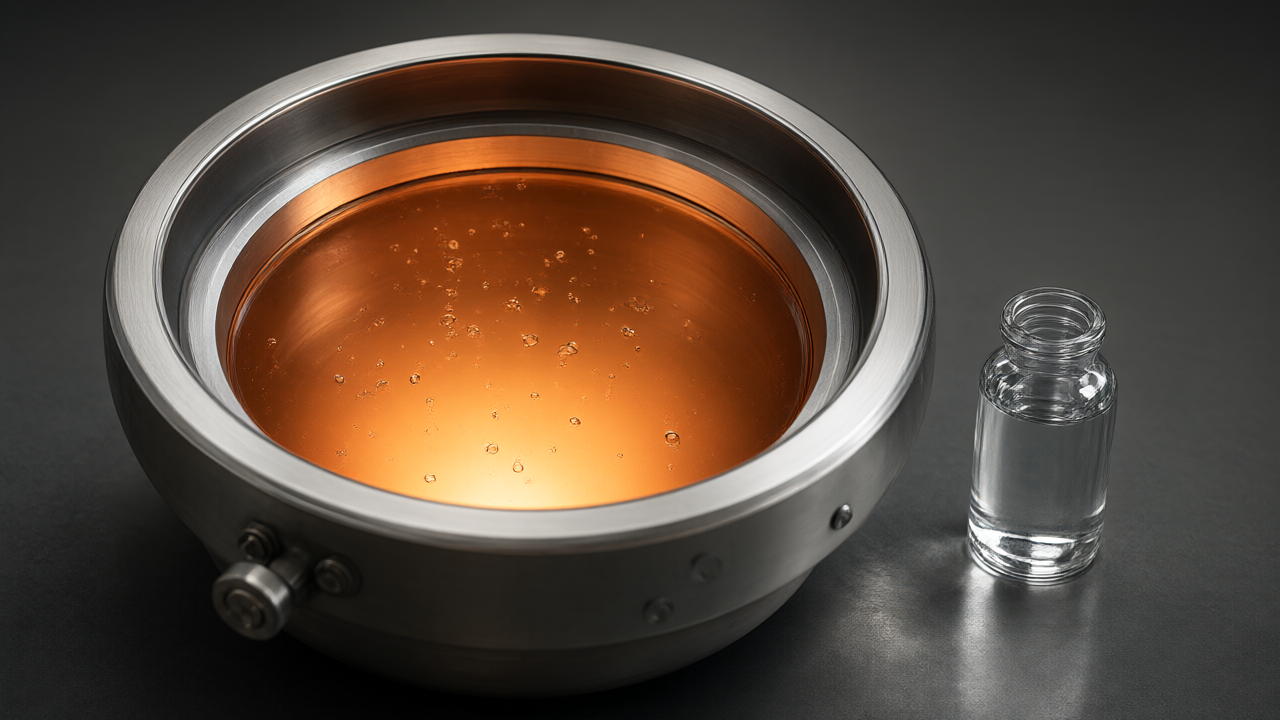
The samples used in the test were “floss” (foam-like concentrates) recovered from a demonstration plant at the Miho Rainwater Pumping Station in Shizuoka City. The initial concentrations in the floss were 46,000ng/L for PFOS and 66,000,000ng/L for PFOA. The treatment utilized a 2-liter subcritical water apparatus, which maintains water in a liquid state under pressure below its critical point (374°C and 22.1MPa). While PFAS decomposition typically requires temperatures above 300°C, this method achieved results at approximately 220°C with a processing time of 60 minutes by utilizing additives to facilitate the reaction.
Background and Context
PFAS are synthetic organofluorine compounds known as “forever chemicals” due to their resistance to natural degradation. In Japan, PFOS and PFOA became subject to water quality standards for drinking water starting April 2026. While Suruga GX has already demonstrated a 99% reduction in raw water (from 3,400ng/L to 5ng/L) using dissolved air flotation, the subsequent disposal of the resulting concentrates remains a challenge. Subcritical water treatment was selected as an alternative to incineration for the decomposition of these concentrates.
Significance and Outlook
The group intends to optimize processing conditions and scale up the system to integrate the removal and decomposition stages at the demonstration plant. Future goals include “fluorine recycling” to recover and reuse fluorine from the treated residue. Additionally, A Holdings is developing mobile, small-scale subcritical water units and researching the decomposition of organic waste into fertilizers at a laboratory within Osaka University.
Source: https://prtimes.jp/main/html/rd/p/000000003.000153264.html
Get our weekly technology intelligence — free
Receive an infographic that lets you judge at a glance whether each field’s analysis report is worth reading.
Subscribe Free — Weekly Tech Intelligence
By subscribing, you’ll receive Troy-Technical’s weekly technology intelligence newsletter.
- Your email and selected fields are used only to deliver the newsletter.
- We never share your information with third parties.
- You can unsubscribe anytime via the link in each email.
See our Privacy Policy for details.
Takes about a minute · Unsubscribe anytime