


Key Findings
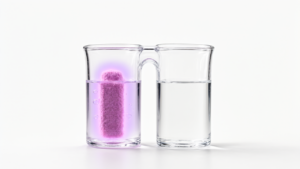
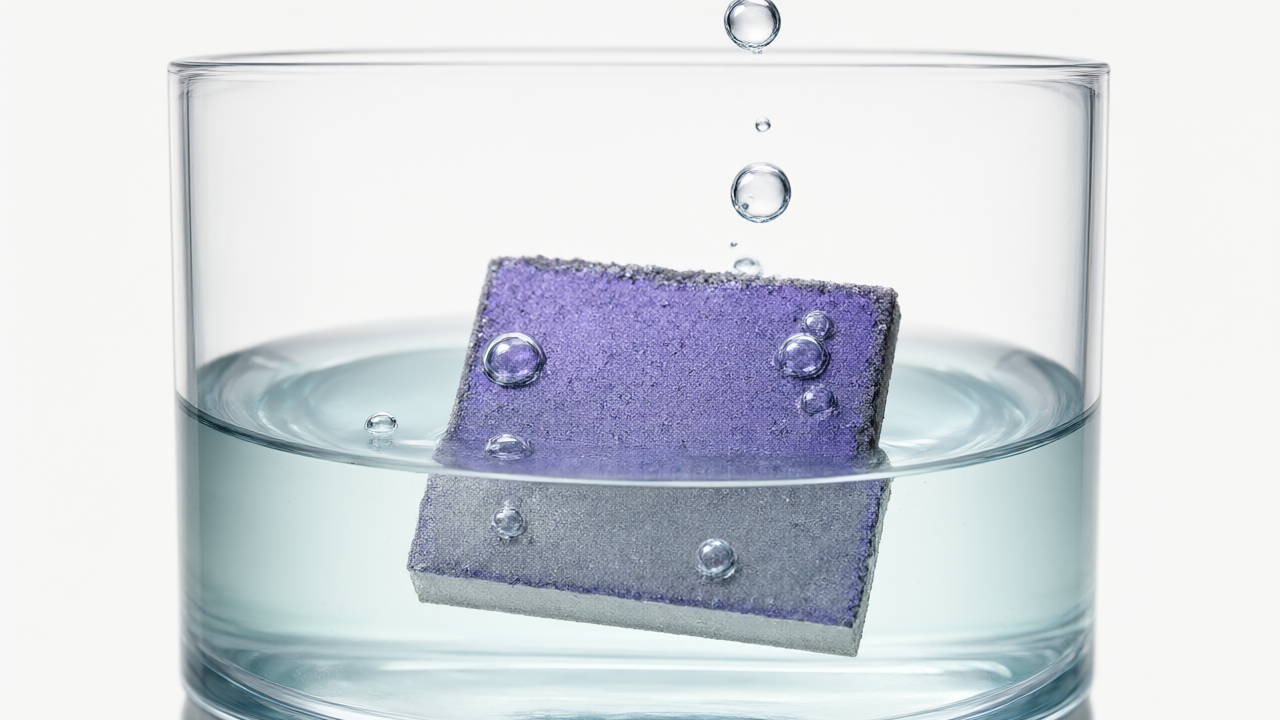
Cobalt phosphide (CoP) exhibits pH-universal activity and stability by undergoing surface transformations in response to applied electrical voltage. Rather than remaining chemically static, the catalyst forms a protective layer of adsorbed species that prevents cobalt and phosphorus from dissolving into the surrounding solution, thereby limiting oxidation and maintaining performance.
Technical Details
The catalyst’s surface dynamics vary based on the voltage applied during operation:
- Lower Voltages: Hydroxyl groups (P-OH) form on phosphorus sites, which enable neighboring cobalt atoms to activate water and bind hydrogen more efficiently.
- Higher Voltages: The surface transitions to be covered with hydrogen-containing species (Co-H and P-H), balancing the binding and release of hydrogen.
To validate these findings, researchers utilized AI-assisted analysis of 2,282 observations from approximately 886 CoP-based catalysts across 700 publications. These data, combined with computer simulations and experiments using CoP nanosheets and deuterium, confirmed the predicted surface changes. Spectroscopic techniques verified the chemical species involved. The catalyst remained stable for 24 hours at current densities exceeding 1 A cm⁻².
Background and Context
While CoP has been viewed as a promising platinum alternative, computer models previously suggested it should be unstable under hydrogen production conditions. However, experimental data consistently showed the material remained active across various pH levels. This study, published in the Journal of the American Chemical Society on October 29, 2026, resolves this discrepancy by identifying the operando surface dynamics that protect the material.
Significance and Outlook
These results provide a pathway toward developing more affordable and versatile catalysts for green hydrogen production. The study suggests a shift in catalyst design philosophy: researchers should prioritize how a material’s surface evolves under actual operating conditions rather than focusing solely on the initial state of the material.
Source: https://www.tohoku.ac.jp/en/press/a_catalyst_that_protects_itself_while_producing_hydrogen.html
Get our weekly technology intelligence — free
Receive an infographic that lets you judge at a glance whether each field’s analysis report is worth reading.
Subscribe Free — Weekly Tech Intelligence
By subscribing, you’ll receive Troy-Technical’s weekly technology intelligence newsletter.
- Your email and selected fields are used only to deliver the newsletter.
- We never share your information with third parties.
- You can unsubscribe anytime via the link in each email.
See our Privacy Policy for details.
Takes about a minute · Unsubscribe anytime