


Key Findings
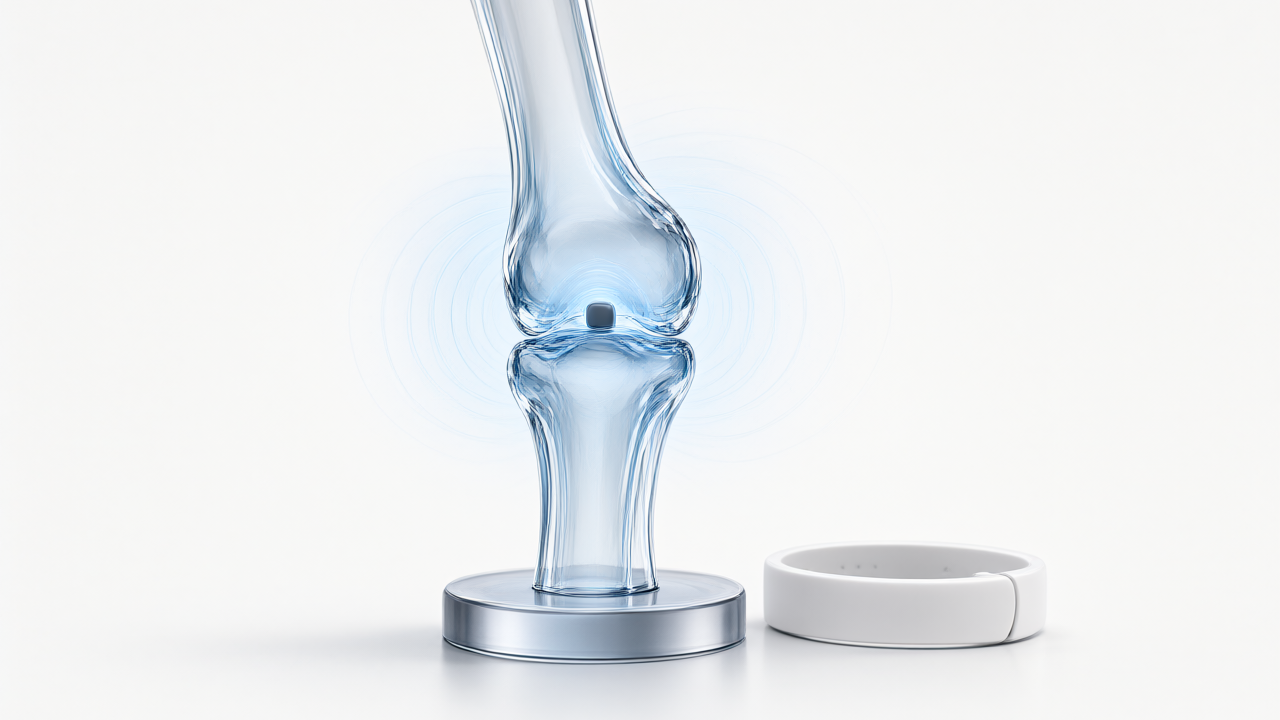
The developed bioresorbable permanent-magnet beacons enable the wireless tracking of internal biomechanics with high precision, achieving a displacement-equivalent mean absolute error of 2.74 μm. In rat model experiments, the system demonstrated the ability to track intracranial pressure with clinical-grade accuracy during vigorous activities and provided longitudinal monitoring of intracranial hypertension associated with ischaemic stroke during natural behaviours.
Technical Details
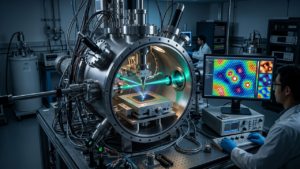
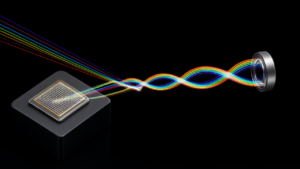
The beacons are synthesized from aligned iron nanowires to create bioresorbable permanent-magnet nanocomposites. These implants intrinsically generate magnetic fields that respond to biomechanical changes, eliminating the need for internal chips. To decode the resulting spatial maps, the system utilizes a wearable magnetic-field camera enhanced by artificial intelligence, which converts the data into calibrated values that remain accurate even during vigorous movement.
Background and Context
Continuous physiological monitoring is critical for reducing global health burdens associated with perioperative complications. While bioresorbable sensors are advantageous because they degrade naturally and do not require surgical extraction, traditional sensors often suffer from motion artefacts that disrupt measurement accuracy during movement.
Significance and Outlook
By combining bioresorbable materials with an AI-enhanced external camera, this technology overcomes the limitation of motion artefacts in internal monitoring. The ability to maintain accuracy during free movement and vigorous activity allows for more natural longitudinal studies of conditions such as intracranial hypertension in animal models.
Source: https://doi.org/10.64898/2026.11.07.760898
Get our weekly technology intelligence — free
Receive an infographic that lets you judge at a glance whether each field’s analysis report is worth reading.
Subscribe Free — Weekly Tech Intelligence
By subscribing, you’ll receive Troy-Technical’s weekly technology intelligence newsletter.
- Your email and selected fields are used only to deliver the newsletter.
- We never share your information with third parties.
- You can unsubscribe anytime via the link in each email.
See our Privacy Policy for details.
Takes about a minute · Unsubscribe anytime