


Key Findings
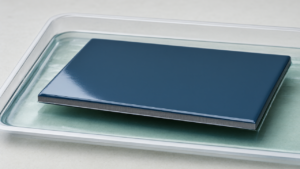
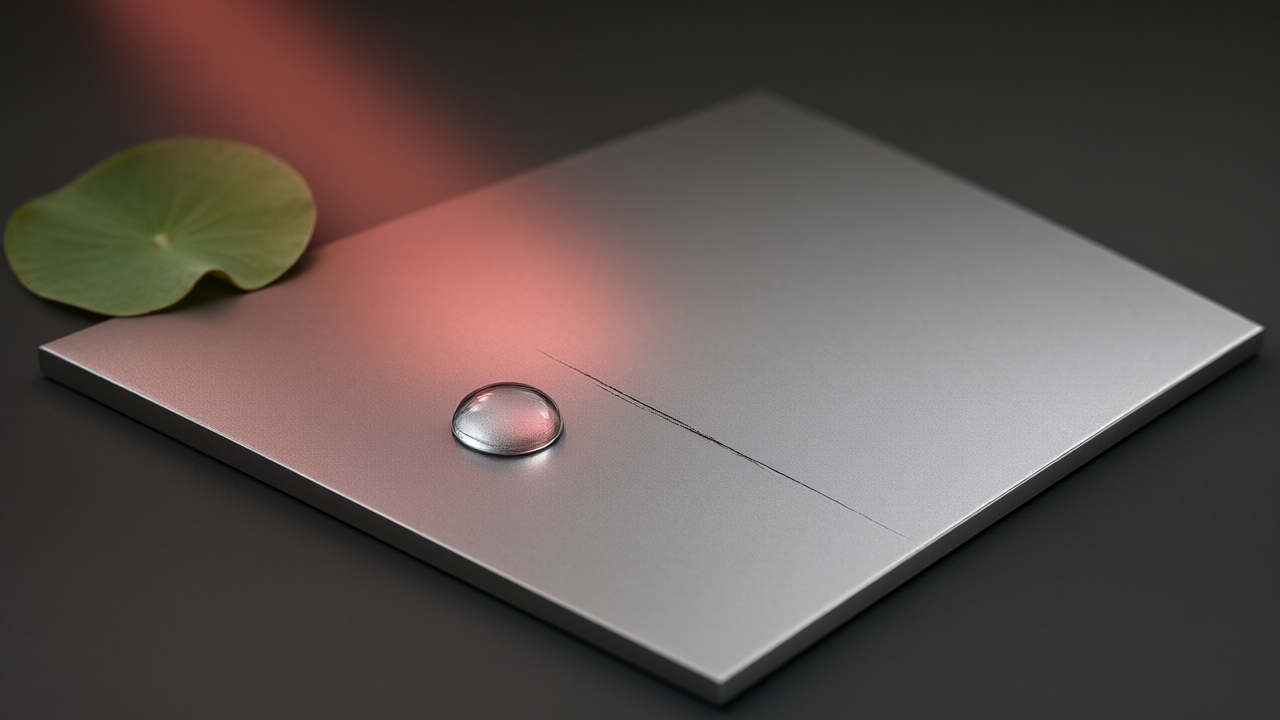
A new shape-memory superhydrophobic epoxy coating can recover from physical damage within 15 seconds when exposed to near-infrared laser irradiation. According to electrochemical impedance spectroscopy (Bode plot integration), the self-healing efficiency reaches 95.2%. This recovery mechanism remains stable over multiple healing cycles, addressing the issue of irreversible damage accumulation typically caused by weathering, impact, or abrasion.
Technical Details
The coating’s architecture is inspired by the microstructure of lotus leaves. The fabrication process involves:
- Micro-pillar Arrays: Shape-memory epoxy resin micro-pillars are created using a template method to form a robust structural framework.
- Hierarchical Roughness: Dual-scale ZIF-8 (zeolitic imidazolate framework-8) particles are sprayed onto the micro-pillar array to ensure stable superhydrophobicity.
Unlike conventional coatings where hydrophobic particles are directly exposed to wear, this design uses the micro-pillar array as a protective shield for the internal dual-scale ZIF-8 structures. This allows the surface to preserve superhydrophobicity even after the micro-pillars suffer mechanical fracture.
Background & Context
While superhydrophobic coatings are valuable for corrosion protection in industrial and marine environments, commercial adoption has been limited by high susceptibility to mechanical damage and poor long-term stability. The researchers addressed these limitations by combining the shape-memory behavior of the epoxy matrix with a biomimetic structural design.
Significance & Outlook
The coating demonstrates strong barrier performance, maintaining corrosion protection over 28 days of immersion testing. The synergy between the ZIF-8 particles and the micro-pillar scaffold ensures consistent superhydrophobic behavior even after multiple abrasion cycles. This strategy offers a viable route to overcoming the durability weaknesses of superhydrophobic surfaces, particularly for the protection of metal components in engineering and marine service environments.
Get our weekly technology intelligence — free
Receive an infographic that lets you judge at a glance whether each field’s analysis report is worth reading.
Subscribe Free — Weekly Tech Intelligence
By subscribing, you’ll receive Troy-Technical’s weekly technology intelligence newsletter.
- Your email and selected fields are used only to deliver the newsletter.
- We never share your information with third parties.
- You can unsubscribe anytime via the link in each email.
See our Privacy Policy for details.
Takes about a minute · Unsubscribe anytime