

Key Findings
Factorial has reached an energy density of 450 Wh/kg for its aerospace-grade lithium-metal cells. This result, disclosed in the company’s third-quarter 2026 shareholder letter, exceeds the performance of Factorial’s automotive-focused FEST technology. The company intends to further increase the energy density of these aerospace cells in 2027.
Technical Details
The aerospace cells utilize lithium-metal anodes and are based on the FEST quasi-solid-state platform, which employs a quasi-solid polymer electrolyte. This differs from the company’s Solstice technology, which uses a fully solid sulfide electrolyte. The 450 Wh/kg cells build upon FEST B-samples delivered to Mercedes-Benz that exceeded 390 Wh/kg.
While the chemistry is broadly similar to Factorial’s automotive cells, the aerospace version is optimized for weight reduction. Specific data regarding capacity, cell dimensions, cycle life, and volumetric energy density for the 450 Wh/kg cells have not been disclosed.
Background and Context
Factorial is currently pursuing two parallel solid-state platforms:
- FEST: A quasi-solid polymer electrolyte design compatible with up to 80% of conventional lithium-ion manufacturing equipment. Factorial and SK On have signed an MoU to assess manufacturing FEST cells using existing infrastructure.
- Solstice: An all-solid-state battery using a sulfide-based electrolyte and dry cathode process. Solstice cells of up to 40Ah have been produced for partner validation, with a potential target of 450 Wh/kg for aerospace, robotics, and space systems.
In the automotive sector, FEST cells validated with Stellantis in 2025 achieved 375 Wh/kg, over 600 cycles, and 15–90% charging in 18 minutes. These are currently undergoing public-road testing in a Dodge Charger Daytona.
Significance and Outlook
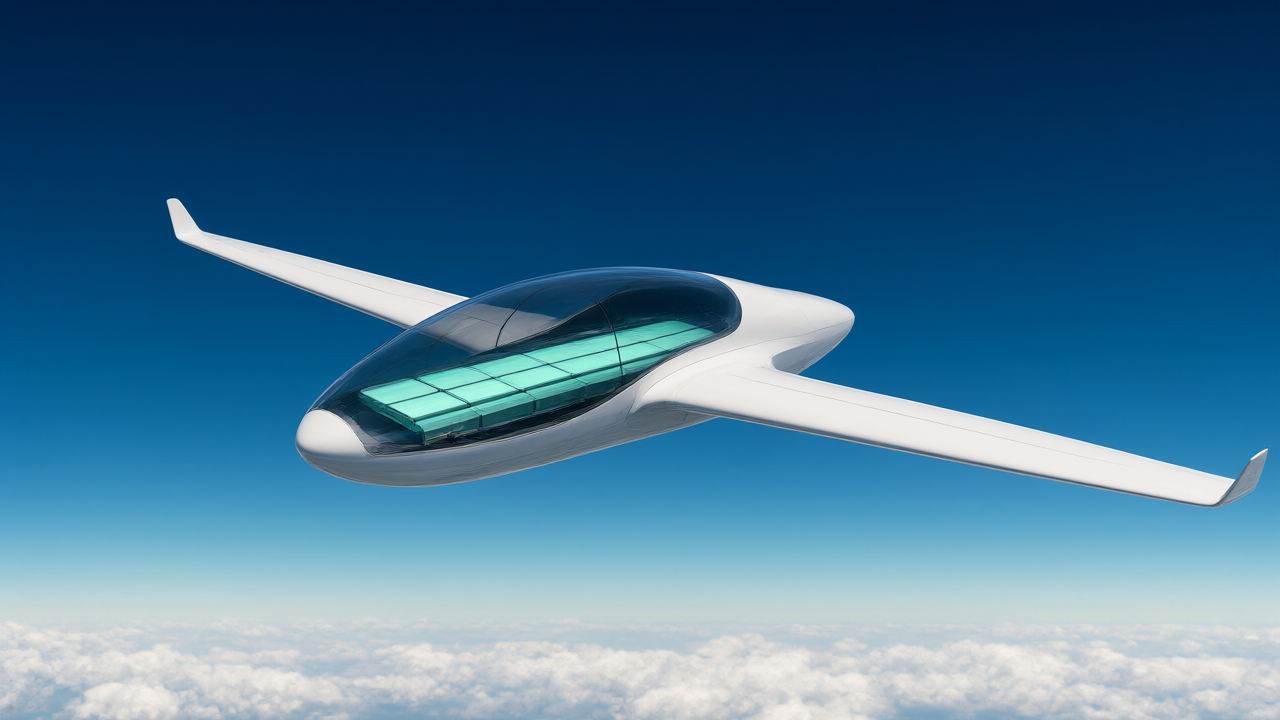
The technology has already been demonstrated in flight. A Group I drone powered by Factorial cells flew for 521 minutes and covered approximately 483km in a single mission. Initial flight testing indicated that these lithium-metal cells delivered more than 30% additional range at the system level compared to conventional lithium-ion batteries.
Source: https://www.bestmag.co.uk/factorial-450-wh-kg-lithium-metal-aerospace/
Get our weekly technology intelligence — free
Receive an infographic that lets you judge at a glance whether each field’s analysis report is worth reading.
Subscribe Free — Weekly Tech Intelligence
By subscribing, you’ll receive Troy-Technical’s weekly technology intelligence newsletter.
- Your email and selected fields are used only to deliver the newsletter.
- We never share your information with third parties.
- You can unsubscribe anytime via the link in each email.
See our Privacy Policy for details.
Takes about a minute · Unsubscribe anytime