Background and Industry Context
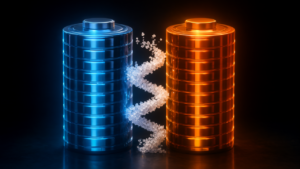
The United States has prioritized establishing a domestic battery technology supply chain and reducing reliance on critical raw materials, driven by the expansion of electric vehicles (EVs) and renewable energy integration. While lithium-ion batteries are prevalent due to their high performance, their reliance on lithium, cobalt, and nickel—materials whose supply is concentrated in specific regions—introduces geopolitical risks and supply chain vulnerabilities. Sodium-ion batteries are emerging as a cost-effective and sustainable alternative to address these challenges. The formation of the ABLC is a comprehensive effort to foster a domestic Na-ion battery ecosystem within the U.S. in response to these broader strategic imperatives.
Key Findings
The American Battery Leadership Coalition (ABLC) has been established to champion the advancement of sodium-ion (Na-ion) battery technology, positioning it as a critical component for U.S. energy storage, manufacturing competitiveness, and national security. This new coalition underscores the economic, environmental, and strategic advantages of Na-ion batteries, aiming to accelerate their domestic deployment through collaborative efforts across government, industry, and research institutions.
Technical and Policy Details
The ABLC asserts that sodium-ion batteries offer several decisive advantages over conventional lithium-ion technologies:
- Resource Abundance: Sodium is globally abundant, with significant resources within the U.S., thereby reducing supply chain risks and mitigating dependence on specific foreign suppliers for critical raw materials.
- Cost Efficiency: By eliminating the need for expensive and scarce metals like lithium, cobalt, and nickel, Na-ion batteries can significantly lower raw material costs. This translates to a reduced total cost of ownership (TCO) for battery systems, fostering broader adoption across various applications.
- Enhanced Safety and Performance: Sodium-ion batteries generally exhibit lower risks of thermal runaway and can offer stable performance across a wider temperature range, depending on their specific chemistry.
- Domestic Manufacturing Growth: With over 15 GWh of Na-ion storage procurements already planned by U.S. companies, this technology directly contributes to strengthening domestic manufacturing capabilities and job creation.
The coalition advocates for federal policies supporting Na-ion battery deployment, aiming to establish incentives and regulatory frameworks that bolster technology development, manufacturing, and market penetration.
Strategic Significance and Outlook
The ABLC’s activities are expected to be a significant catalyst for accelerating research and development, manufacturing investment, and market deployment of sodium-ion batteries in the U.S. The coalition will work closely with policymakers, industry leaders, and academic institutions to ensure the domestic Na-ion battery industry is globally competitive and contributes to enhancing energy independence. This initiative is anticipated to fully unlock the potential of sodium-ion batteries as a next-generation energy storage solution, contributing significantly to achieving U.S. clean energy goals. Furthermore, the existing procurement plans for over 15 GWh from data center operators and utilities indicate a burgeoning initial market, suggesting robust growth prospects.
Get our weekly technology intelligence — free
Receive an infographic that lets you judge at a glance whether each field’s analysis report is worth reading.
Subscribe Free — Weekly Tech Intelligence
By subscribing, you’ll receive Troy-Technical’s weekly technology intelligence newsletter.
- Your email and selected fields are used only to deliver the newsletter.
- We never share your information with third parties.
- You can unsubscribe anytime via the link in each email.
See our Privacy Policy for details.
Takes about a minute · Unsubscribe anytime