Background
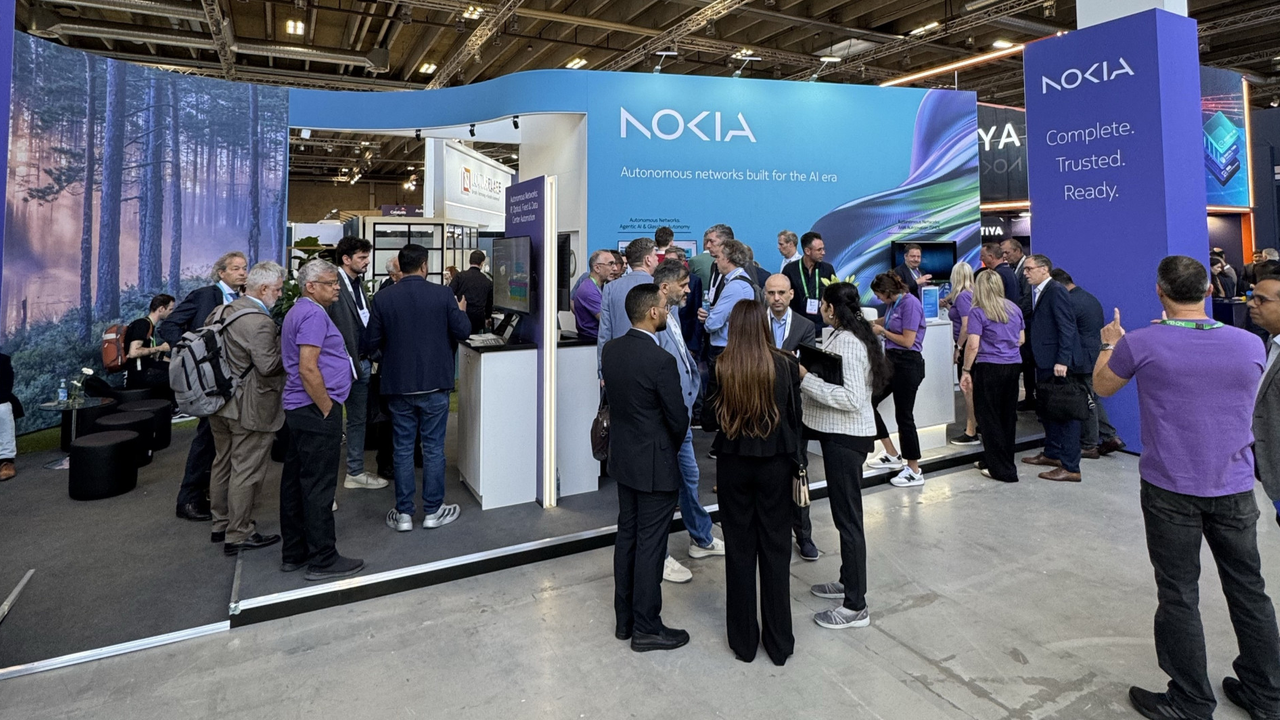
The proliferation of generative AI and the continuous growth of IoT devices are driving an unprecedented surge in network traffic volume and diversity, escalating network management complexity. Traditional manual management and reactive operational models are increasingly insufficient to meet the demands of modern, dynamic networks. In response, autonomous networks leverage AI to automate critical functions such as monitoring, analysis, planning, execution, and optimization. Nokia’s strategy aims to empower telecommunication providers with the agility, efficiency, and resilience essential for the AI era.
Key Findings
Nokia has introduced significant upgrades to its autonomous networks portfolio, embedding advanced agentic AI capabilities to both simplify operations and substantially enhance network performance. This development is poised to redefine network management, accelerating the adoption of automated and intelligent operations within the AI landscape.
A cornerstone of these upgrades is the new WaveSuite agentic framework, specifically engineered for optical network operations. This framework employs sophisticated AI and machine learning algorithms to proactively identify anomalies in key performance indicators (KPIs) and potential failures in photonic equipment, critically averting service disruptions. Unlike conventional reactive network management systems, Nokia’s agentic AI is designed for real-time data analysis, pattern recognition, and the automated recommendation or execution of corrective actions.
Key functionalities include predictive analytics for traffic patterns, optimized capacity planning, automated root cause analysis for network faults, and self-configuration of network parameters. This significantly reduces the burden of routine tasks on network operations teams, allowing them to focus on strategic initiatives. The increasing complexity of optical networks, driven by the rapid expansion of AI data centers and 5G backbones, underscores the vital role of agentic AI in efficiently managing this complexity and minimizing downtime.
Nokia’s enhancement of agentic AI capabilities represents a pivotal advancement towards fully autonomous networks, setting a new trajectory for the telecommunications industry. The widespread deployment of this technology is expected to yield substantial benefits for telecom operators, including reduced operational costs, improved service quality, and enhanced reliability. Furthermore, the self-optimization capabilities of AI will contribute to faster deployment of new services and greater energy efficiency. Looking ahead, the realization of fully autonomous ‘zero-touch’ networks is rapidly approaching, heralding a future where AI is integral to every facet of digital infrastructure.
Get our weekly technology intelligence — free
Receive an infographic that lets you judge at a glance whether each field’s analysis report is worth reading.
Subscribe Free — Weekly Tech Intelligence
By subscribing, you’ll receive Troy-Technical’s weekly technology intelligence newsletter.
- Your email and selected fields are used only to deliver the newsletter.
- We never share your information with third parties.
- You can unsubscribe anytime via the link in each email.
See our Privacy Policy for details.
Takes about a minute · Unsubscribe anytime