Key Findings
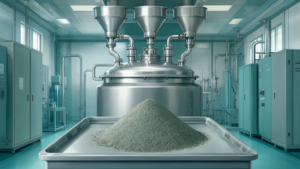
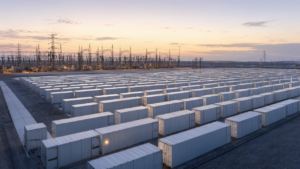
By 2026, sodium-ion battery cells are actively being produced on commercial production lines for a range of applications, including electric vehicles (EVs), grid-scale energy storage, and consumer power stations. This widespread adoption is primarily driven by their compelling cost advantages and robust supply chain benefits compared to conventional lithium-ion batteries.
Technical Details and Supply Chain Advantage
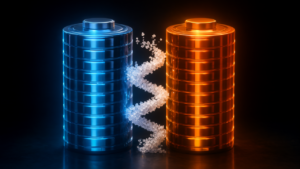
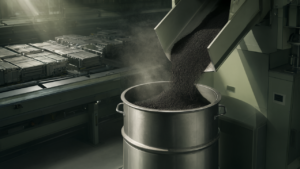
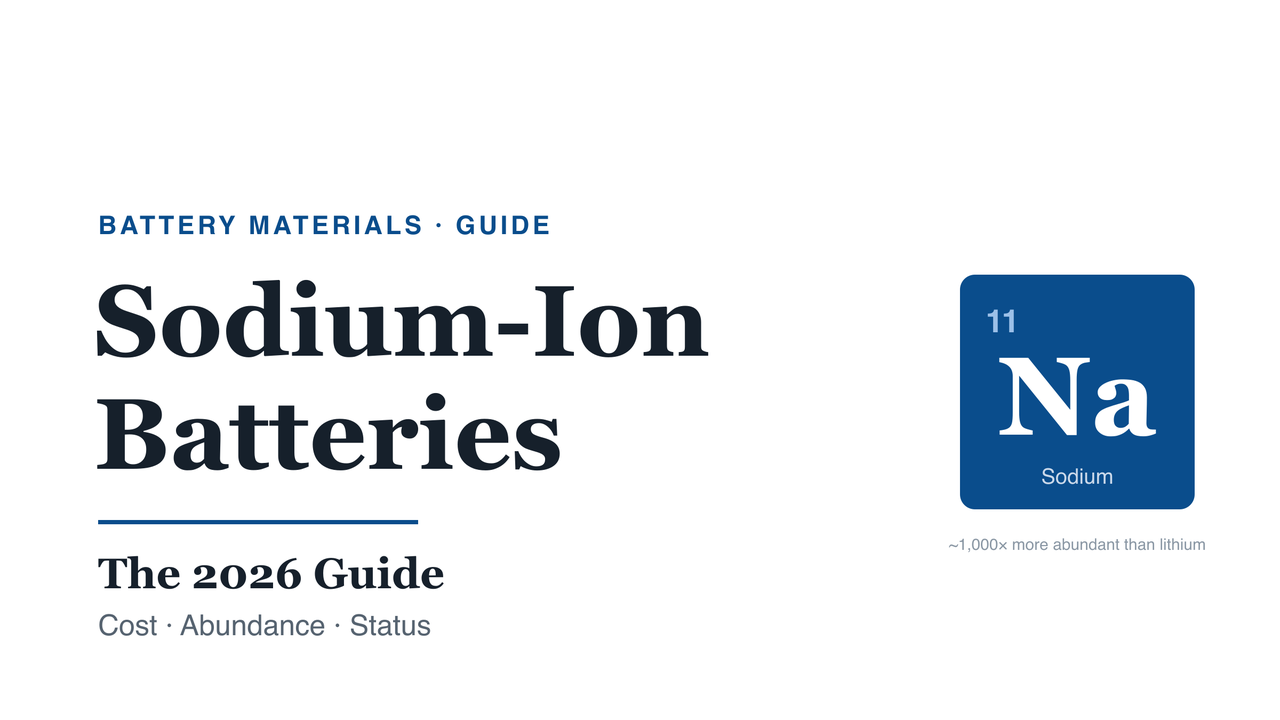
The sodium-ion technology fundamentally employs a hard-carbon anode, a sodium-based cathode, and a sodium-salt electrolyte. While sharing many operational principles with lithium-ion batteries, the crucial distinction lies in the origin and abundance of its primary raw material. Sodium is approximately a thousand times more abundant on Earth than lithium, offering an unparalleled advantage in raw material sourcing. This vast availability not only drastically reduces material costs but also significantly enhances supply chain stability and security. Furthermore, sodium-ion batteries typically do not require scarce or geopolitically sensitive materials such as cobalt and nickel, further lowering costs and environmental impact. The transition to real production lines ensures consistent quality, achieves economies of scale, and facilitates rapid market penetration across diverse applications.
Background & Industry Context
The global energy storage market is experiencing exponential growth, fueled by the urgent need for climate action and the accelerating deployment of renewable energy sources. However, the lithium-ion battery sector constantly faces challenges like price volatility and potential supply shortages for key materials such as lithium, cobalt, and nickel. Against this backdrop, sodium-ion batteries have emerged as a highly anticipated strategic solution to these challenges. The fact that sodium-ion batteries are now being mass-produced and integrated into various applications by 2026 indicates that technical hurdles have largely been overcome and the market is recognizing their intrinsic value. For grid-scale storage, where safety, longevity, and low cost are paramount, sodium-ion batteries present an ideal alternative.
Strategic Significance & Outlook
The clear cost and supply chain advantages of sodium-ion batteries are expected to drive a rapid expansion of their market share in the coming years. Their adoption is particularly anticipated in emerging markets and regions aggressively pursuing renewable energy integration. In the automotive sector, initial deployment is likely to focus on entry-level EVs and commercial vehicles, potentially influencing higher-end EV segments over time. Through continuous technological optimization and further scaling of manufacturing capacity, sodium-ion batteries are poised to become a central component in building sustainable and resilient energy systems globally.
Source: https://xnergy.us/sodium-ion-batteries-2026-guide/
Get our weekly technology intelligence — free
Receive an infographic that lets you judge at a glance whether each field’s analysis report is worth reading.
Subscribe Free — Weekly Tech Intelligence
By subscribing, you’ll receive Troy-Technical’s weekly technology intelligence newsletter.
- Your email and selected fields are used only to deliver the newsletter.
- We never share your information with third parties.
- You can unsubscribe anytime via the link in each email.
See our Privacy Policy for details.
Takes about a minute · Unsubscribe anytime