Key Findings
Bioprocessing technologies are profoundly reshaping diverse industrial sectors—food production, environmental applications, and sustainable manufacturing—extending far beyond their traditional pharmaceutical realm. Key technologies refined in pharmaceutical manufacturing, such as fermentation bioreactors, membrane filtration, Process Analytical Technology (PAT), and single-use systems, are now being introduced into these new domains, bringing significant improvements in efficiency, quality, and sustainability. Crucially, the PAT framework, providing the foundational rationale and regulatory structure for real-time process monitoring, demonstrates its robust applicability to non-pharma applications like industrial fermentation.
Technical / Clinical Details
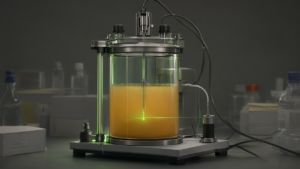
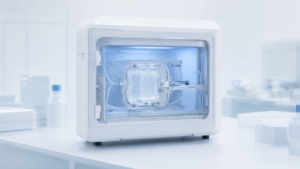
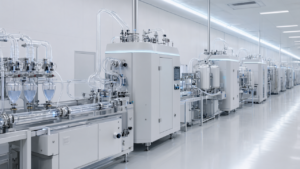
- Fermentation Bioreactors: Bioreactors are central to culturing microorganisms or cells in controlled environments to produce target products (e.g., biofuels, food additives, alternative proteins). Pharmaceutical-grade bioreactor design and control technologies dramatically enhance production efficiency and quality in other industries.
- Membrane Filtration Technology: Utilized for separating, concentrating, and purifying proteins and cells, membrane filtration applies advanced pharmaceutical-level filtration and separation techniques to non-pharma sectors, improving product purity and yield while reducing downstream processing costs.
- Process Analytical Technology (PAT): PAT involves real-time monitoring and control of key process parameters (e.g., temperature, pH, nutrient concentrations), reducing product quality variability and enhancing process efficiency. This technology is applicable to a wide range of non-pharma processes, including brewing, alternative protein production, and wastewater treatment.
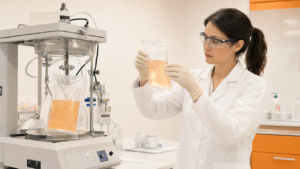
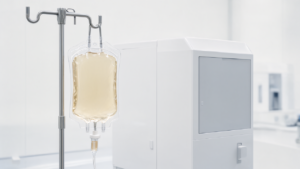
- Single-Use Systems: Offering advantages in flexibility, rapid changeovers, and reduced contamination risk, single-use bioreactors and bags are increasingly being adopted from the pharmaceutical industry into food and environmental sectors. This enables the establishment of flexible production systems capable of handling diverse product lines while minimizing capital investment.
- PAT Application in Industrial Fermentation: PAT is used in industrial fermentation processes to monitor metabolite concentrations and cell health in real-time, maintaining optimal fermentation conditions. This improves product yield and quality consistency, also contributing to reduced energy consumption.
Background & Context
Global population growth, resource depletion, and heightened environmental awareness are driving demand for sustainable food production, clean energy, and environmental remediation solutions. Bioprocessing technologies, with their inherent sustainability and precise production capabilities using biological systems, are recognized as powerful tools to address these global challenges. The high standards and efficiencies established in the pharmaceutical industry are accelerating the transfer of these technologies to other sectors.
Strategic Significance & Outlook
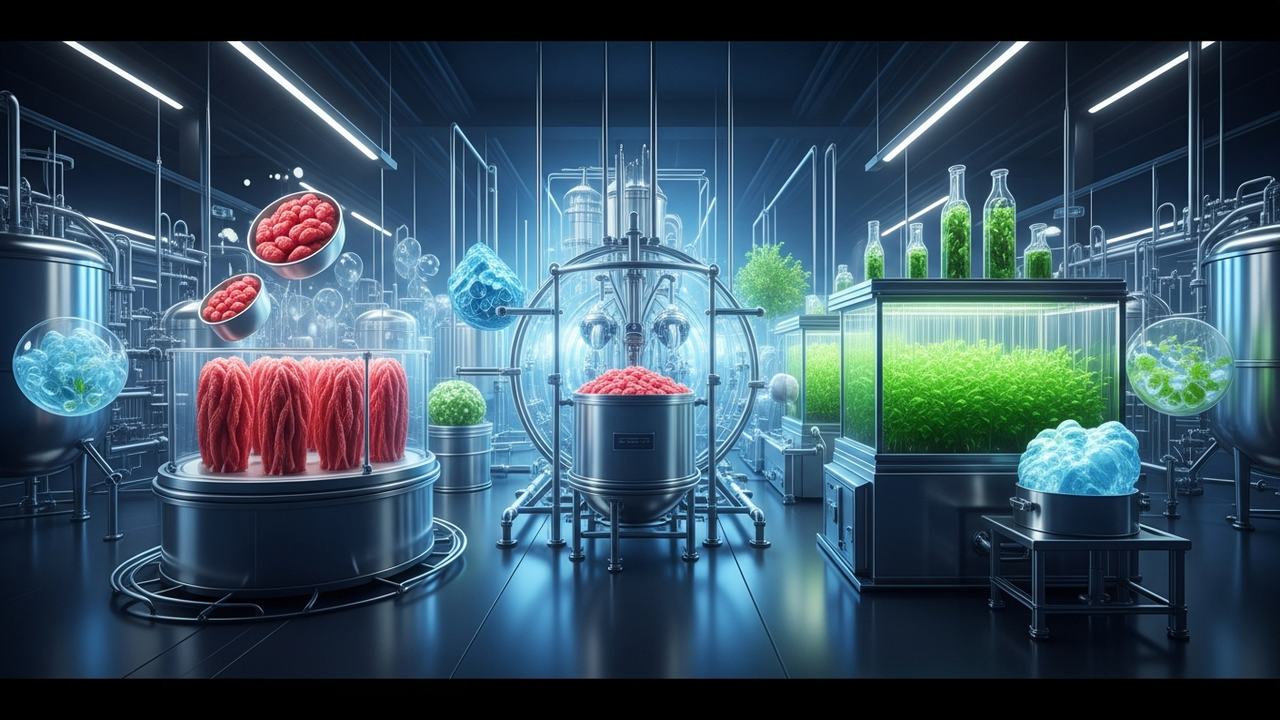
The cross-sectoral application of bioprocessing technologies will continue to expand. Its role will become even more critical in developing sustainable food systems (e.g., cultivated meat, precision fermentation for proteins), biofuel production, value extraction from waste, and bioremediation of environmental pollutants. As these technologies evolve and integrate with more advanced digital platforms, they are expected to create new markets and business models in non-pharma industries, accelerating contributions to global sustainability goals.
Get our weekly technology intelligence — free
Receive an infographic that lets you judge at a glance whether each field’s analysis report is worth reading.
Subscribe Free — Weekly Tech Intelligence
By subscribing, you’ll receive Troy-Technical’s weekly technology intelligence newsletter.
- Your email and selected fields are used only to deliver the newsletter.
- We never share your information with third parties.
- You can unsubscribe anytime via the link in each email.
See our Privacy Policy for details.
Takes about a minute · Unsubscribe anytime