Key Findings
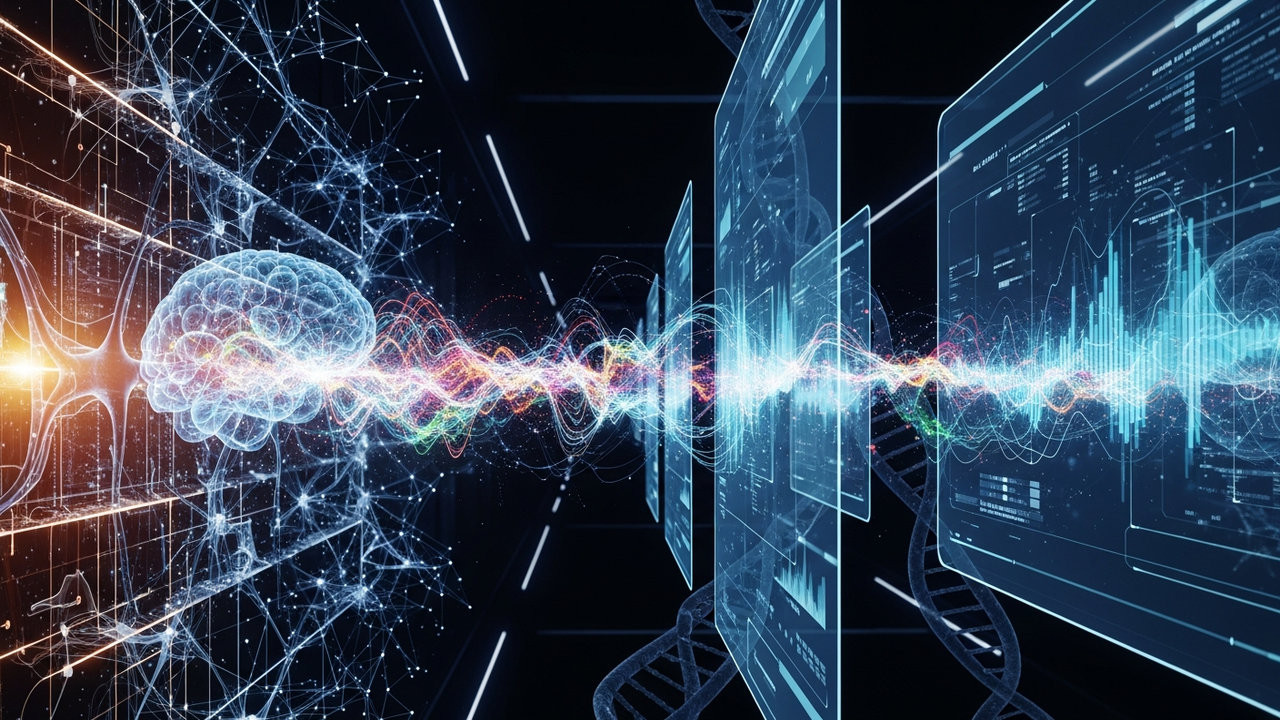
This research paper clearly demonstrates the transformative impact of artificial intelligence (AI) and machine learning (ML) on biomarker analysis for early cancer detection. It emphasizes that AI/ML models possess the capability to integrate and analyze multi-omics data, including genomics, transcriptomics, proteomics, metabolomics, and medical imaging data, to accurately identify cancer-specific biomarker signatures.
Technical/Clinical Details
The application of AI and ML enables the extraction of subtle patterns and correlations from data that might otherwise be overlooked by conventional methods, dramatically improving the accuracy of diagnosis and prognosis. For example, by comprehensively learning from vast patient multi-omics datasets, AI can identify combinations of biomarkers that suggest the presence of early-stage cancer, integrating multiple gene mutations or protein expression patterns associated with specific cancer types. This allows for precise risk assessment and personalized treatment selection for individual patients. Furthermore, advancements in point-of-care (POC) diagnostic technologies and non-invasive sampling methods (e.g., liquid biopsies) are making these AI-enhanced biomarker detection methods more accessible to clinical settings and the general public.
Background & Context
The success of cancer treatment heavily relies on early detection. However, traditional cancer screening methods have faced challenges due to limitations in sensitivity or specificity, or being invasive with significant patient burden. The complexity of multi-omics data analysis and the increasing volume of data were beyond human capacity, but the evolution of AI and ML has addressed this bottleneck. This has the potential to improve the accuracy and efficiency of cancer diagnosis, allowing more patients to be diagnosed early and receive appropriate treatment.
Strategic Significance & Outlook
The application of AI and ML to cancer biomarker detection is expected to continue its rapid development. In the future, these technologies will likely be integrated into routine examinations and more widely used as part of general health check-ups. Moreover, the identification and validation of ‘digital biomarkers’ — combinations of multiple biomarkers rather than single ones — will advance, leading to applications in more complex clinical challenges such as cancer risk stratification, prediction of treatment resistance, and recurrence monitoring. This will accelerate the realization of personalized cancer treatment and significantly contribute to improving patient outcomes and quality of life.
Source: https://www.intechopen.com/online-first/1235874
Get our weekly technology intelligence — free
Receive an infographic that lets you judge at a glance whether each field’s analysis report is worth reading.
Subscribe Free — Weekly Tech Intelligence
By subscribing, you’ll receive Troy-Technical’s weekly technology intelligence newsletter.
- Your email and selected fields are used only to deliver the newsletter.
- We never share your information with third parties.
- You can unsubscribe anytime via the link in each email.
See our Privacy Policy for details.
Takes about a minute · Unsubscribe anytime