Historic FDA Approval for First PROTAC Drug in Advanced Breast Cancer
On May 1, 2026, the US Food and Drug Administration (FDA) granted approval to vepdegastrant (Veppanu), the first oral PROTAC (Proteolysis-Targeting Chimera) drug jointly developed by Arvinas and Pfizer. Indicated for advanced breast cancer in patients with ESR1 mutations, this landmark decision ushers in a new era for targeted protein degradation (TPD) as a clinically viable therapeutic modality, validating the safety and efficacy of PROTAC technology in a standard clinical setting.
Robust Clinical Efficacy and Unique Mechanism of Action
The approval of vepdegastrant is underpinned by compelling efficacy data from clinical trials. In patients with ESR1-mutant advanced breast cancer, this oral agent significantly reduced the risk of disease progression or death by 43% compared to standard therapy, extending the median progression-free survival (PFS) from 2.1 months to 5 months. These robust clinical outcomes underscore its potential to substantially delay disease progression and improve patient quality of life, addressing a critical unmet need.
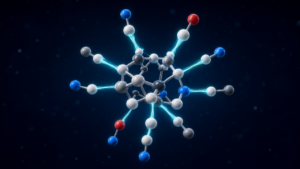
PROTACs operate via a unique mechanism: they hijack the cell’s endogenous ubiquitin-proteasome system (UPS) to degrade specific disease-causing proteins. Vepdegastrant is a bifunctional molecule, linking a ligand that binds to the mutated ESR1 estrogen receptor with another that recruits an E3 ubiquitin ligase. This effectively “tags” the target protein for ubiquitination and subsequent proteolytic degradation by the proteasome. Unlike traditional inhibitors that merely block protein function, PROTACs lead to the complete intracellular removal of the target protein, offering potentially more potent and durable therapeutic effects, even against targets previously considered “undruggable.”
Industry Context and Strategic Significance
The treatment landscape for advanced breast cancer, particularly in patients with ESR1 mutations who often develop resistance to endocrine therapies, has long presented significant challenges. Vepdegastrant’s introduction provides a novel and effective solution. Beyond oncology, PROTACs hold promise for a vast array of diseases by enabling the degradation of proteins that are difficult to target with conventional small molecules. This approval marks a pivotal moment, signaling a potential paradigm shift in drug discovery.
The pharmaceutical industry has witnessed an exponential increase in TPD drug pipelines, with dozens of PROTAC and molecular glue degrader candidates in various stages of development. Vepdegastrant’s success is expected to accelerate these efforts, attracting further investment and innovation in the field. Their distinct mechanism positions PROTACs as key players in overcoming drug resistance and expanding therapeutic applications across diverse disease areas.
Future Outlook
The FDA approval of vepdegastrant represents the first clinical breakthrough for the targeted protein degradation field, showcasing the immense potential of this technology. It is anticipated that protein degraders, including novel PROTACs and molecular glue degraders, will emerge across diverse therapeutic areas beyond oncology, such as neurodegenerative and autoimmune diseases. This new class of therapeutics is poised to dramatically improve patient outcomes and reshape the future of medicine, offering hope for millions.
Get our weekly technology intelligence — free
Receive an infographic that lets you judge at a glance whether each field’s analysis report is worth reading.
Subscribe Free — Weekly Tech Intelligence
By subscribing, you’ll receive Troy-Technical’s weekly technology intelligence newsletter.
- Your email and selected fields are used only to deliver the newsletter.
- We never share your information with third parties.
- You can unsubscribe anytime via the link in each email.
See our Privacy Policy for details.
Takes about a minute · Unsubscribe anytime