Background
These innovations are integral to ESA’s Open Space Innovation Platform (OSIP) initiative, which aims to foster disruptive technologies across Europe, bolstering the continent’s competitive edge in the global space sector. OSIP actively scouts for and funds pioneering concepts from academia and industry, accelerating their maturation. This strategic focus on reusability, sustainability, and cost-effectiveness directly addresses some of the most pressing challenges facing the contemporary space industry, from effective space debris management to democratizing access to space.
Key Findings
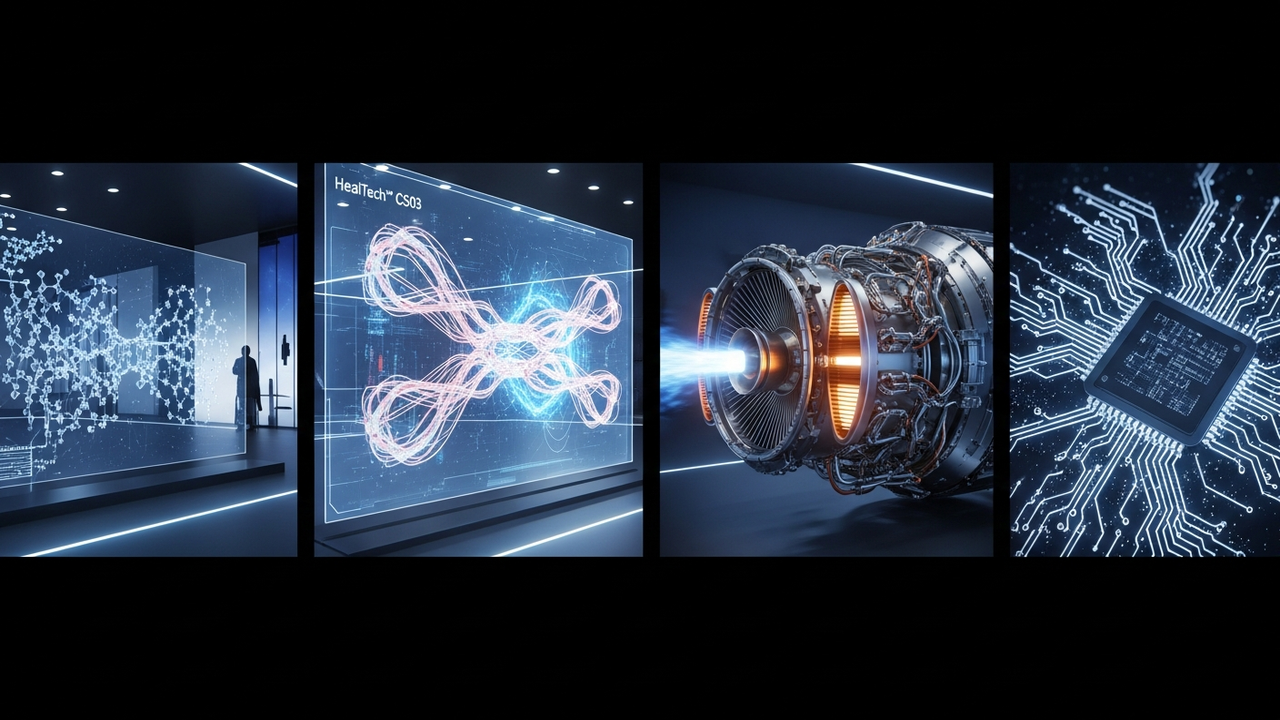
The European Space Agency (ESA) has revealed three pivotal innovations emerging from its Open Space Innovation Platform (OSIP): HealTech™ CS03, a self-healing composite material; VOLTA, an air-breathing electric propulsion system for low Earth orbit (LEO); and a comprehensive methodology for qualifying Commercial Off-The-Shelf (COTS) processors for space. These advancements collectively address critical needs in space exploration, promising enhanced sustainability, operational efficiency, and economic viability for future missions.
Technical Details
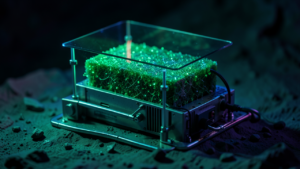
- HealTech™ CS03: This groundbreaking self-healing composite is engineered to automatically repair micro-cracks and damage, particularly relevant for reusable rocket fuel tanks. By mitigating the need for costly in-orbit maintenance and extending structural lifespan, HealTech™ CS03 significantly improves mission reliability and safety, representing a substantial leap beyond traditional materials.
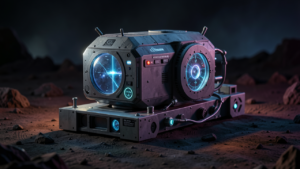
- VOLTA Air-Breathing Electric Propulsion System: Designed for small satellites in LEO, VOLTA harnesses residual atmospheric molecules as propellant. This eliminates reliance on conventional chemical or stored propellants, having successfully demonstrated positive thrust in testing. The technology promises extended mission durations and contributes to sustainable space operations by enabling de-orbiting maneuvers without fuel depletion risks.
- Space-Ready COTS Processors: ESA’s new methodology facilitates the robust adaptation of high-performance COTS processors, typically designed for terrestrial use, to withstand the extreme conditions of space. This strategic shift is projected to dramatically increase onboard computing capabilities while substantially reducing the cost and development time associated with specialized, radiation-hardened components.
Strategic Significance & Outlook
HealTech™ CS03 could revolutionize the economic model of reusable launch vehicles and provide a fundamental building block for self-repairing large space structures or lunar habitats. VOLTA is set to fundamentally alter LEO satellite operations, enabling longer missions and offering a novel approach to active debris removal. Meanwhile, the integration of COTS processors will democratize access to high-performance computing in space, paving the way for advanced onboard AI, complex data analysis, and more ambitious deep-space exploration missions. These technologies are poised to be foundational pillars for the next era of space industrialization and scientific discovery, impacting everything from telecommunications to planetary science.
Get our weekly technology intelligence — free
Receive an infographic that lets you judge at a glance whether each field’s analysis report is worth reading.
Subscribe Free — Weekly Tech Intelligence
By subscribing, you’ll receive Troy-Technical’s weekly technology intelligence newsletter.
- Your email and selected fields are used only to deliver the newsletter.
- We never share your information with third parties.
- You can unsubscribe anytime via the link in each email.
See our Privacy Policy for details.
Takes about a minute · Unsubscribe anytime



Comments