Key Findings
Lonza has unveiled its OptiALTO™ platform, a significant advancement in biologics manufacturing that enables higher cell densities during cultivation. This innovative approach is designed to dramatically reduce the cost of goods by simultaneously boosting productivity and optimizing asset utilization. Crucially, the platform leverages Process Analytical Technology (PAT) and real-time monitoring to enhance process stability and reproducibility, thereby maximizing productivity gains during crucial scale-up phases.
Technical / Clinical Details
Lonza’s OptiALTO™ platform contributes to biopharmaceutical manufacturing through the following technical features:
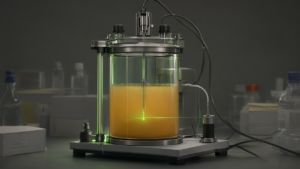
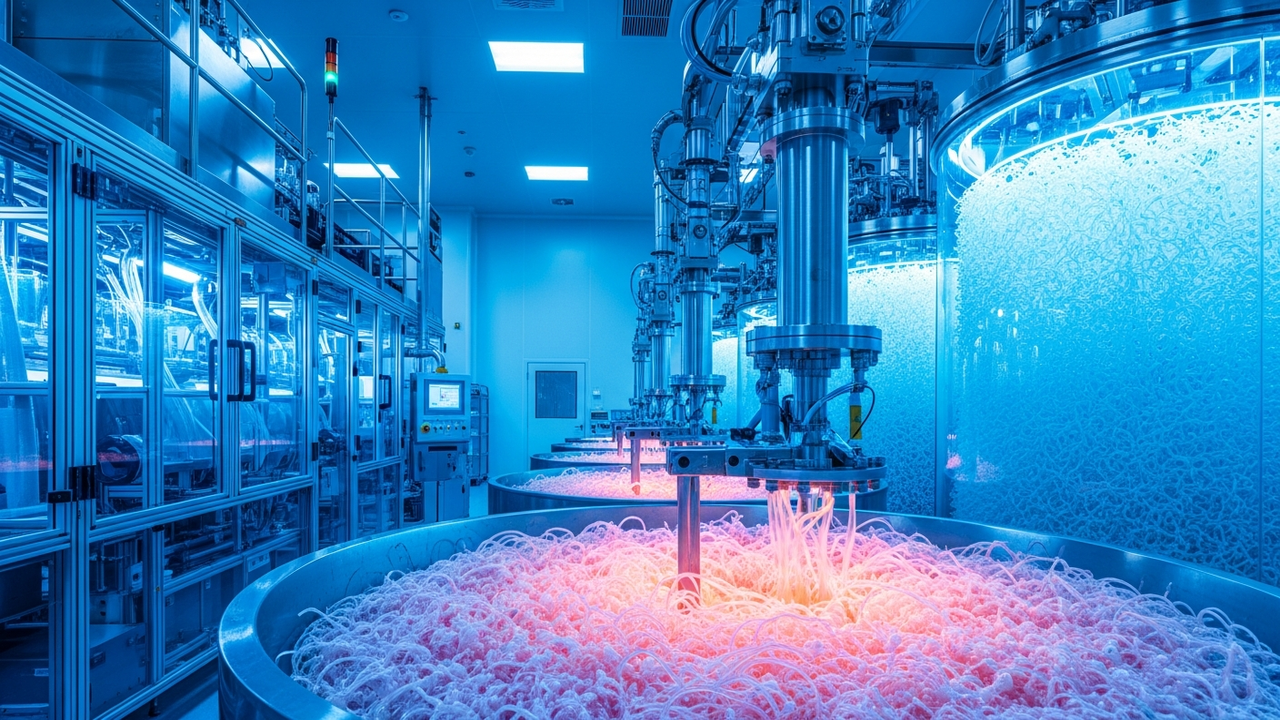
- Achieving High Cell Density Culture: OptiALTO™ allows for significantly higher cell densities in bioreactors compared to conventional cultivation methods. This increase in volumetric productivity means more product can be generated per unit volume, reducing the number of bioreactor trains required and consequently lowering capital expenditure and operational costs.
- Integration of Process Analytical Technology (PAT): PAT tools, such as Raman spectroscopy, are integrated directly into the culture process, enabling real-time, non-invasive monitoring of key parameters including nutrient consumption, metabolite production, and cellular physiological activity. This continuous data acquisition is essential for deep process understanding and rapid troubleshooting.
- Dynamic Optimization of Feeding Strategies: By utilizing real-time PAT data, nutrient feeding into the culture can be dynamically adjusted to meet the exact metabolic needs of the cells. This prevents nutrient imbalances, avoids cellular stress, and optimizes metabolic pathways, ultimately enhancing cell growth and product formation.
- Stable Process Transfer and Reduced Variability: Real-time monitoring and control of process parameters lead to more stable technology transfers from development scale to commercial scale. This reduces batch-to-batch variability, improving the consistency of product quality and minimizing manufacturing risks.
Background & Context
The biopharmaceutical industry constantly faces the challenge of ensuring a stable supply of high-quality products while simultaneously reducing manufacturing costs. As the market entry of large molecule biologics, such as antibody drugs, accelerates, enhancing production efficiency has become critical for establishing a competitive advantage. Process intensification technologies are recognized as a key means to optimize the utilization of existing manufacturing infrastructure and maximize investments in new technologies.
Strategic Significance & Outlook
The widespread adoption of process intensification platforms like OptiALTO™ has the potential to fundamentally transform the economics and sustainability of biopharmaceutical manufacturing. Reduced manufacturing costs will improve drug accessibility for patients and contribute to overall healthcare cost containment. In the future, further integration with AI and machine learning is expected to enable even more autonomous and optimized ‘smart’ biomanufacturing. This will be a significant step in accelerating the development and commercialization of next-generation biopharmaceuticals.
Source: https://www.lonza.com/integrated-biologics/manufacturing/optialto-intensified-fed-batch-platform
Get our weekly technology intelligence — free
Receive an infographic that lets you judge at a glance whether each field’s analysis report is worth reading.
Subscribe Free — Weekly Tech Intelligence
By subscribing, you’ll receive Troy-Technical’s weekly technology intelligence newsletter.
- Your email and selected fields are used only to deliver the newsletter.
- We never share your information with third parties.
- You can unsubscribe anytime via the link in each email.
See our Privacy Policy for details.
Takes about a minute · Unsubscribe anytime