Key Findings
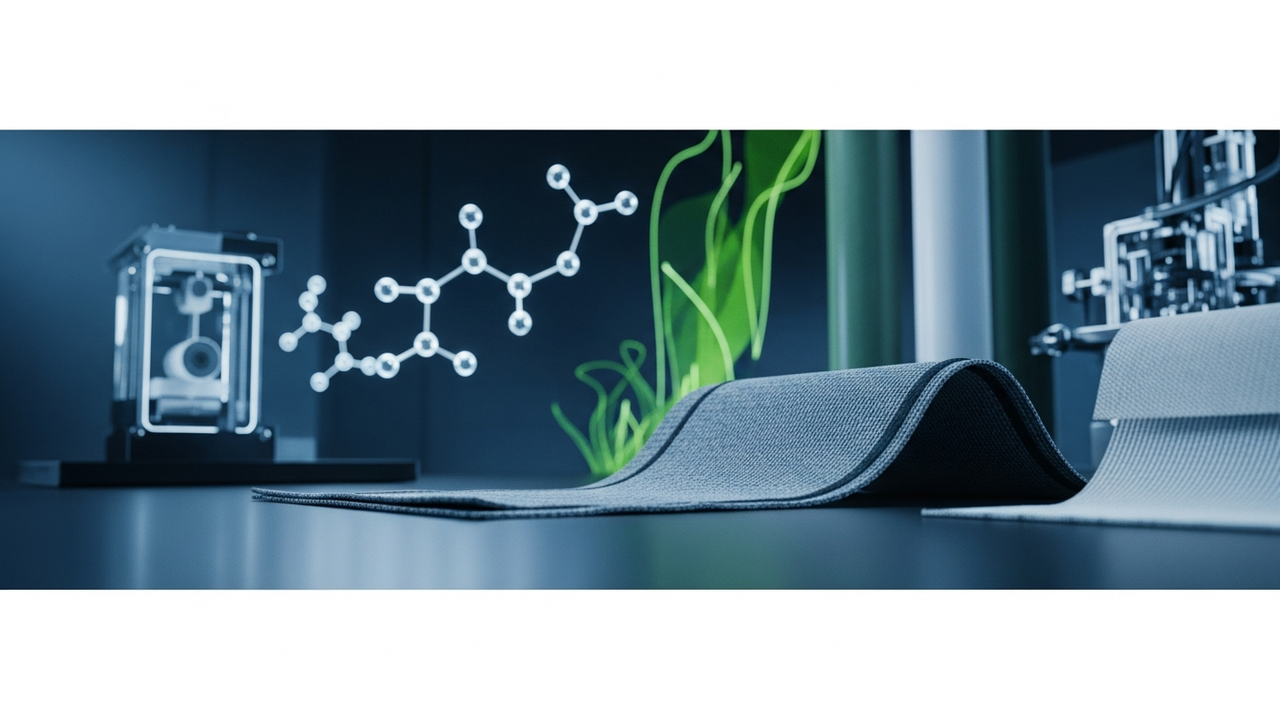
Covation Biomaterials LLC announced two significant bio-based innovations at the Functional Fabric Fair New York: Xatryx® bioPTMEG, a next-generation bio-based polyether glycol derived from corn cobs, and Sorona® elasterell-p fiber, the first U.S.-made bicomponent stretch fiber with 37% plant-based content. Sorona® elasterell-p is already commercially available in the U.S. and Latin America.
Technical / Clinical Details
Xatryx® bioPTMEG represents a second-generation bio-based polyether glycol (PTMEG) manufactured from corn cobs, offering a more sustainable alternative to traditional petroleum-derived PTMEG, a critical component in stretch fibers and elastomers. Commercial production for Xatryx® bioPTMEG is slated for late 2026, which will significantly expand the availability of bio-based materials in industrial applications. The Sorona® elasterell-p fiber is a pioneering bicomponent stretch fiber in the U.S., made from 37% plant-based Sorona® polymer. This fiber delivers exceptional stretch and recovery properties, ideal for sportswear, apparel, and carpets, combining comfort with environmental responsibility. Its current commercial availability in the U.S. and Latin American markets ensures immediate impact and adoption within the textile supply chain.
Background & Context
The textile industry faces mounting pressure to reduce its environmental footprint, characterized by high reliance on petroleum-based materials, intensive energy consumption, and significant waste generation. Increasing consumer awareness and corporate sustainability mandates are driving a critical shift towards bio-based and recyclable materials. Innovations from companies like Covation Biomaterials are pivotal in this transition, offering viable solutions that mitigate dependence on fossil resources and contribute to reducing carbon emissions, paving the way for a more sustainable future in textiles.
Strategic Significance & Outlook
These new bio-based fibers from Covation Biomaterials are poised to significantly influence the textile industry by offering a compelling combination of performance and sustainability. The upcoming commercial production of Xatryx® bioPTMEG and the existing market presence of Sorona® elasterell-p fiber will accelerate the adoption of bio-based materials across the entire supply chain. Apparel brands and manufacturers can leverage these materials to expand their eco-friendly product lines, catering to a growing demographic of environmentally conscious consumers. Long-term, these innovations are expected to drive the transition towards a more sustainable and circular economy, fundamentally transforming business models within the textile sector.
Get our weekly technology intelligence — free
Receive an infographic that lets you judge at a glance whether each field’s analysis report is worth reading.
Subscribe Free — Weekly Tech Intelligence
By subscribing, you’ll receive Troy-Technical’s weekly technology intelligence newsletter.
- Your email and selected fields are used only to deliver the newsletter.
- We never share your information with third parties.
- You can unsubscribe anytime via the link in each email.
See our Privacy Policy for details.
Takes about a minute · Unsubscribe anytime






Comments