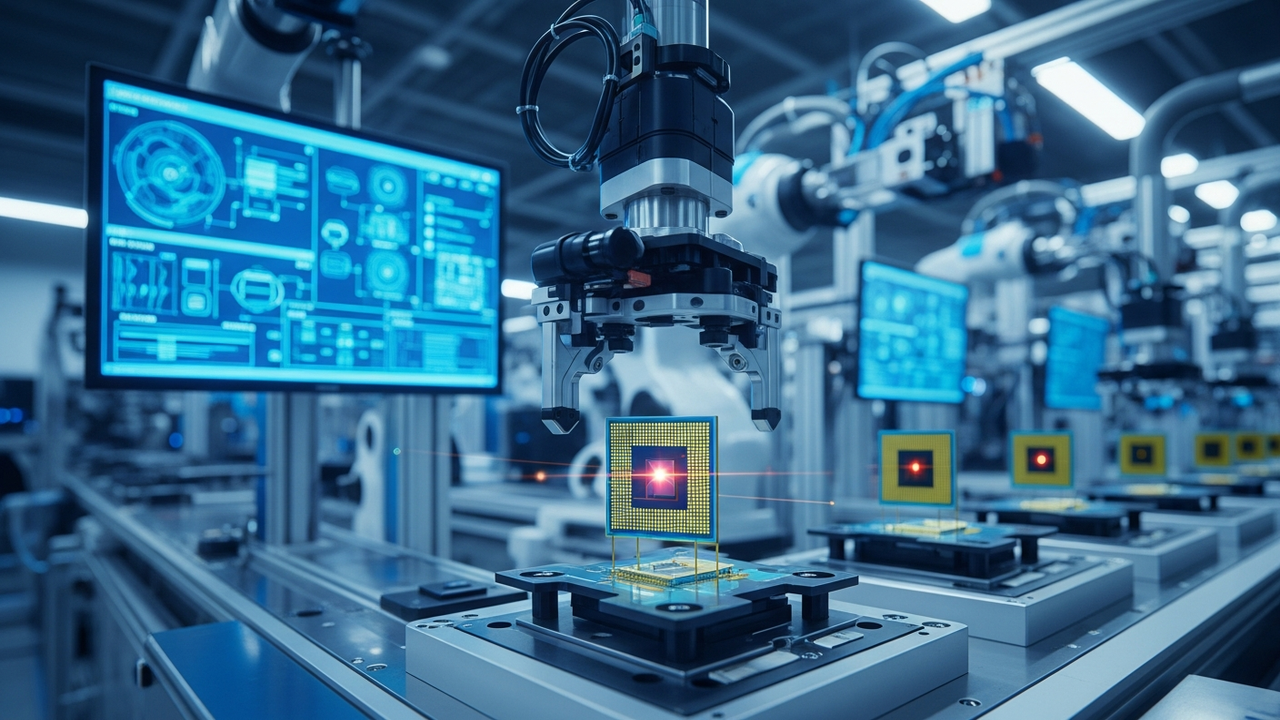
Challenges in Automotive LiDAR and Silicon Photonics Solutions
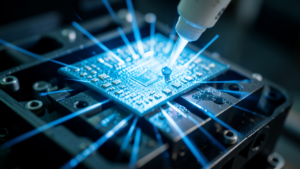
In the widespread adoption of autonomous driving technology, LiDAR (Light Detection and Ranging) sensors are indispensable components for high-precision 3D environmental perception. However, conventional LiDAR systems have faced challenges due to high costs, large form factors, and reliability issues stemming from numerous moving parts, thus hindering their widespread integration into vehicles. In response, silicon photonics, which leverages semiconductor manufacturing techniques to integrate optical devices, has emerged as a promising technology for achieving miniaturization, cost reduction, and enhanced durability.
South Korean Company Begins Mass Production of SiPho LiDAR Sensors
A South Korean company has reportedly initiated mass production of silicon photonics-based integrated sensors designed for automotive LiDAR systems. These sensors feature the following characteristics:
- Adoption of FMCW Technology: Frequency Modulated Continuous Wave (FMCW) technology offers the advantage of directly detecting object velocity in addition to high-precision distance measurement. This enhances the perception capabilities of autonomous vehicles, contributing to safer driving.
- Miniaturization and Cost Reduction: The use of silicon photonics technology enables significant miniaturization, weight reduction, and substantial manufacturing cost reduction for the entire LiDAR unit. Research from MIT also indicates that silicon photonics chip-based LiDAR can achieve both wide field-of-view and low-noise operation, offering the potential for high durability and cost reduction without moving parts.
- Automotive Qualification: The company has emphasized meeting the stringent reliability and safety certification standards required by the automotive industry for deployment in Level 3 and higher autonomous vehicles. This marks a critical indicator that the technology has reached a practical stage.
Contribution to Autonomous Driving Adoption and Future Outlook
The commencement of mass production of silicon photonics LiDAR sensors by this South Korean company is expected to accelerate LiDAR adoption and significantly contribute to improving the safety and reliability of autonomous driving technology. Providing compact, low-cost, high-performance LiDAR will lower adoption barriers for automakers and further promote the market introduction of autonomous vehicles. In the future, applications are anticipated not only in automotive uses but also in a wide range of fields requiring high-precision sensing, such as drones, industrial robots, and smart city surveillance systems. The advancement of this technology will be an indispensable element for the future of mobility and the development of smart infrastructure.
Source: #



Comments