Background: The Growing Imperative of Battery Waste Recycling
The global volume of discarded batteries, including primary alkaline batteries, is steadily increasing. While these batteries contain valuable metals such as zinc and manganese, improper disposal contributes to environmental pollution and represents a loss of critical resources. For sustainable resource utilization and reduced environmental impact, efficient technologies for recovering important minerals from spent batteries are becoming essential.
Itronics’ Novel Approach to Alkaline Battery Black Mass Recovery
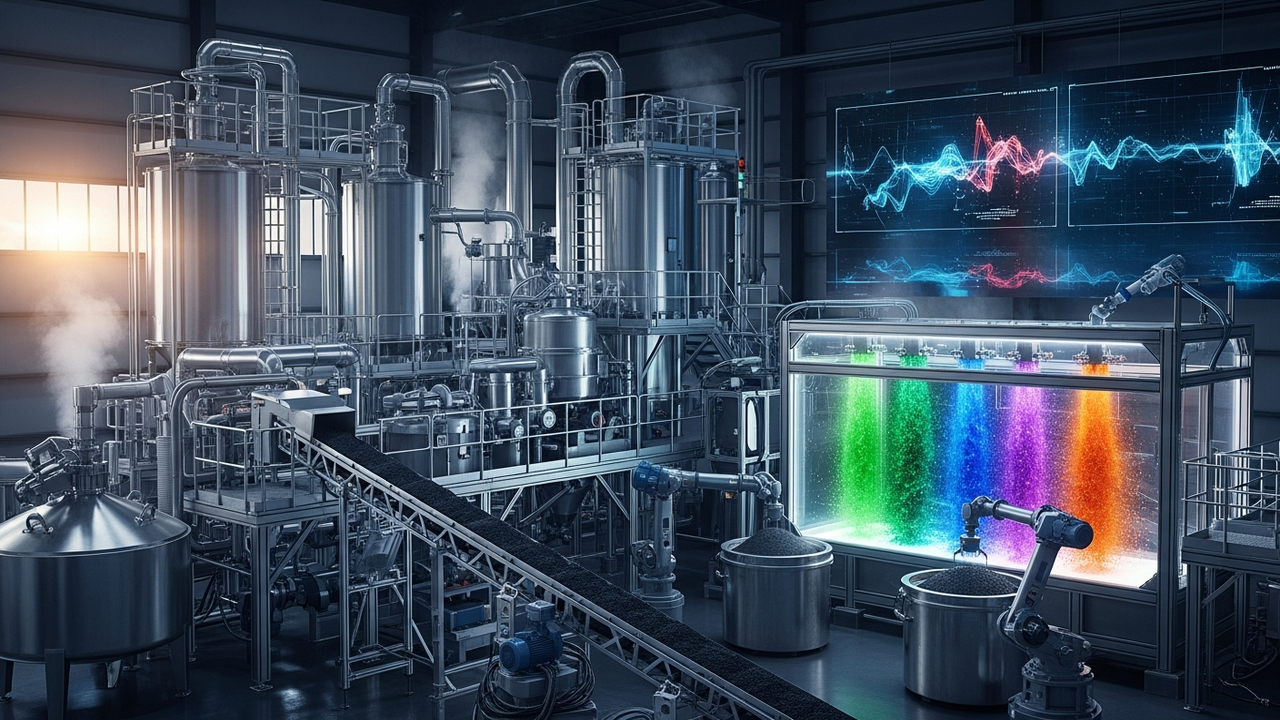
Addressing this challenge, Itronics Inc. has initiated a new operation focused on recovering critical minerals from the “black mass” of alkaline batteries—a powdered mixture obtained from crushing and sorting spent batteries. This innovative process aims to create value from waste and contribute to the circular economy.
- Recovered Minerals: Itronics’ process primarily recovers zinc, manganese dioxide, potassium, and carbon from the black mass. These are vital resources with significant industrial demand across various sectors.
- Utilization of Recovered Materials: A portion of the recovered minerals will be re-integrated into Itronics’ own manufacturing process for its liquid fertilizer brand, “GOLD’n GRO.” This strategy reduces the need for virgin raw materials in fertilizer production, enhancing product sustainability. The remaining recovered minerals will be marketed as standalone critical mineral products.
- Pilot Production and Evaluation: The company has already commenced pilot-scale production of manganese dioxide and is actively evaluating the potential for carbon recovery. This phased approach aims for robust commercialization of the technology.
Environmental Impact and Future Outlook
Itronics’ new venture significantly contributes to environmental protection by reducing alkaline battery waste and alleviating landfill burdens. By decreasing the necessity for new mining, it also curbs associated environmental destruction and energy consumption. Securing domestic sources for critical minerals further enhances supply chain stability and economic sustainability.
This type of technology holds the potential for broader application beyond alkaline batteries, extending to the recycling of diverse battery chemistries, including lithium-ion. It represents a crucial step towards achieving a more comprehensive circular economy model, where valuable resources are continuously reused and regenerated.








Comments