Background
Flexible packaging is ubiquitous across food, pharmaceuticals, and consumer goods industries, valued for its lightweight nature, cost-effectiveness, and superior product protection. Yet, a substantial environmental hurdle arises from its prevalent multi-layered composite construction, typically combining diverse plastic films and aluminum foil with complex adhesives. This complexity severely impedes effective recycling. Advancing a circular economy thus necessitates novel material technologies that preserve functionality while enabling monomaterialization or straightforward recyclability for flexible packaging solutions.
Key Innovations and Impact
In direct response to these intricate challenges, industry leaders in ink and adhesive manufacturing are pioneering innovative solutions:
- Siegwerk’s Heat-Seal Lacquers: Siegwerk has introduced a new line of heat-seal lacquers specifically engineered for recyclable flexible packaging. These lacquers offer exceptional heat-sealing performance on targeted substrates while crucially enabling the monomaterialization of the entire package, thereby significantly streamlining recycling processes. The company is leveraging its deep expertise in heat-seal technology to empower customers in achieving both stringent performance demands and critical circular economy objectives.
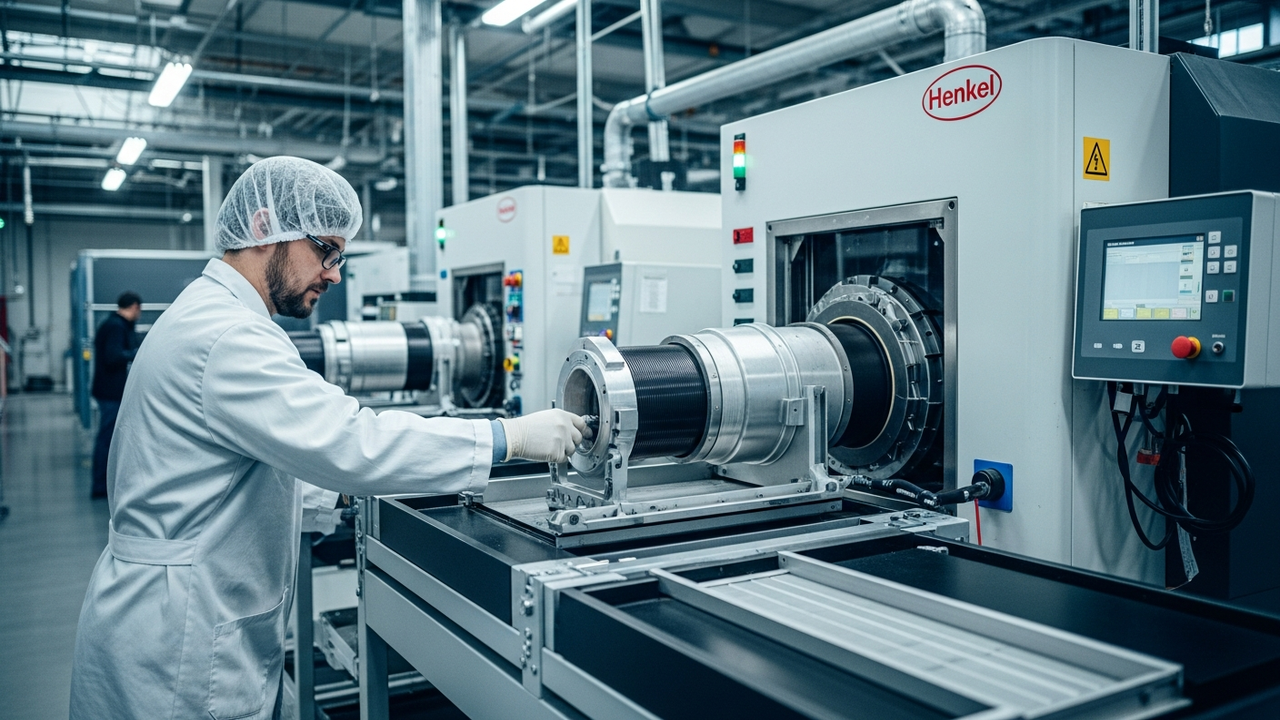
- Henkel’s Expanded Paper Coating Portfolio: Henkel Adhesive Technologies has significantly broadened its portfolio with novel water-based barrier and heat-seal coatings tailored for paper-based packaging. These advanced coatings imbue paper substrates with essential moisture, oil, and oxygen barrier properties, alongside robust heat-sealability. This strategic approach not only curtails plastic consumption but also substantially elevates the functionality and recyclability of paper packaging, consequently broadening its application scope and expanding sustainable choices.
These technological advancements are paramount for significantly enhancing the sustainability profile of both flexible and paper-based packaging. Specifically, heat-seal lacquers and water-based coatings deliver compelling technical advantages:
- Promoting Monomaterialization: They are instrumental in facilitating the paradigm shift from complex multi-layer composites to simpler, single-material structures, thereby rendering them far easier to process within existing recycling infrastructures.
- Balancing Barrier Function and Recyclability: These solutions deftly maintain the requisite barrier performance vital for product protection, concurrently improving the overall recyclability of the package without compromise.
- Reducing Environmental Footprint: Their adoption directly contributes to a substantial reduction in plastic consumption, a measurable increase in recycling rates, and a lower environmental impact throughout the packaging manufacturing lifecycle.
These innovations equip consumer brands with indispensable tools to meet their sustainability commitments and introduce more environmentally responsible products to the global market. Looking ahead, intensified collaboration across adhesive, ink, and coating technologies is poised to accelerate the widespread adoption of sustainable materials throughout the packaging industry. Crucially, future development will prioritize ensuring both safety as food contact materials and uncompromising performance standards.



Comments