Background
The marine sector, encompassing electric vessels and offshore facilities, faces exceptionally stringent safety requirements for battery integration. Challenges such as corrosive seawater, severe vibrations, and the heightened risk of fire in enclosed environments have significantly hindered the widespread adoption of conventional liquid-electrolyte lithium-ion batteries. Given that battery fires can lead to catastrophic accidents and loss of life, the development of non-flammable all-solid-state battery technology has become indispensable for accelerating electrification and decarbonization initiatives in this critical industry.
Key Findings
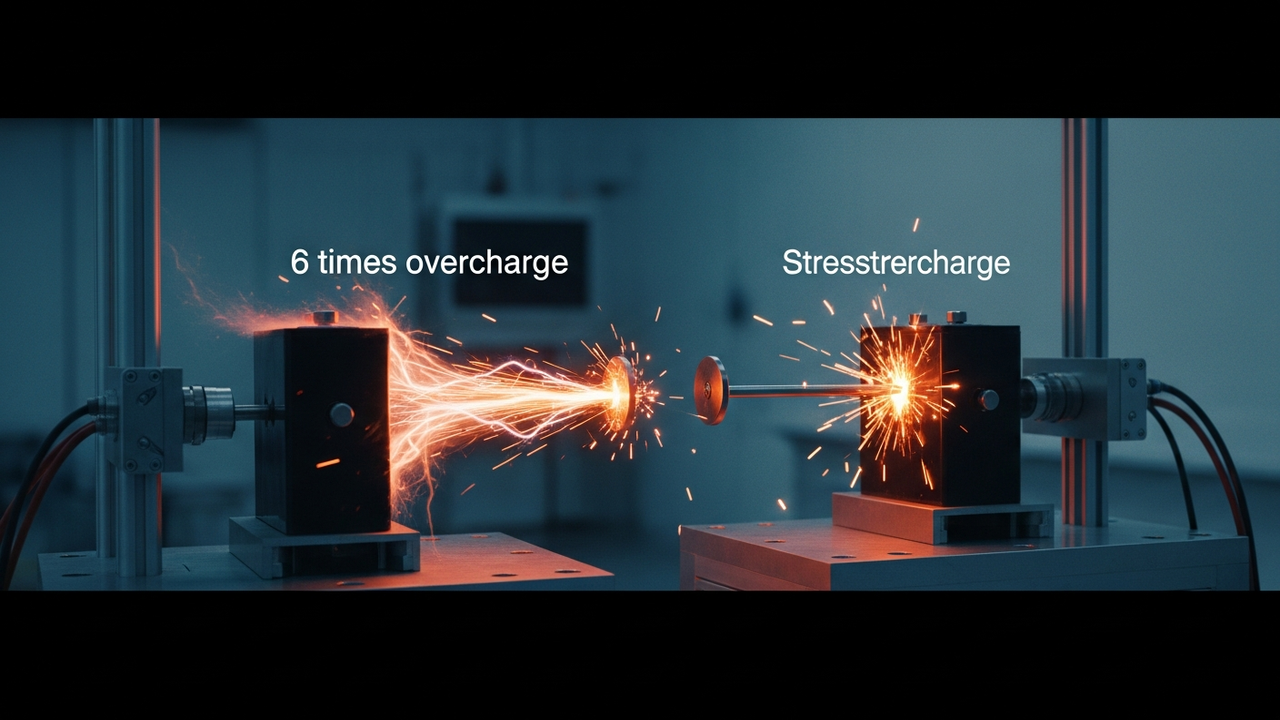
Danish battery development company Svenner has announced a significant breakthrough with its new Svenner battery system, demonstrating resilience under extreme conditions far exceeding typical industry testing standards. The system successfully endured rigorous safety evaluations, specifically a 6x overcharge test and an 8mm nail penetration test, without exhibiting any thermal reaction whatsoever. This unprecedented safety performance holds the potential to fundamentally resolve the pervasive risk of battery fires within marine environments.
Technical Insights
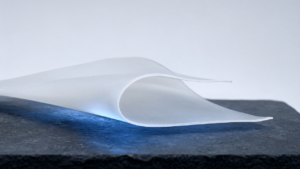
- Svenner’s innovative battery system dramatically mitigates the risk of thermal runaway, a primary safety concern for conventional lithium-ion batteries. By replacing the flammable liquid electrolytes typically found in existing batteries with non-flammable solid materials, the system inherently prevents ignition and explosive reactions, even in scenarios involving internal short circuits or external mechanical damage.
- Its robustness was emphatically demonstrated through severe safety tests: the battery maintained complete stability without any thermal reactions (e.g., temperature rise, ignition, or explosion) even under a 6x overcharge condition and direct penetration by an 8mm-thick nail. This performance significantly surpasses current international battery safety standards.
- Beyond immediate safety, the implementation of solid electrolytes is also anticipated to stabilize lithium-ion pathways and effectively suppress the formation of dendrites. This characteristic is expected to further enhance the battery’s long-term performance, cycle life, and overall reliability.
Strategic Significance & Outlook
Svenner’s novel battery system is poised to redefine safety and reliability benchmarks for electrification across the marine sector. With its substantial reduction in thermal runaway risk, the adoption of all-solid-state batteries is expected to accelerate across a diverse array of marine applications, including electric ferries, cruise ships, fishing vessels, and submersibles. This widespread integration will contribute significantly to reducing fuel consumption and greenhouse gas emissions within the marine industry, thereby fostering the realization of more sustainable global maritime transport systems. Attention will now shift to how Svenner’s groundbreaking technology will be integrated into and influence international marine safety regulations and certification processes.
Source: #