Key Findings
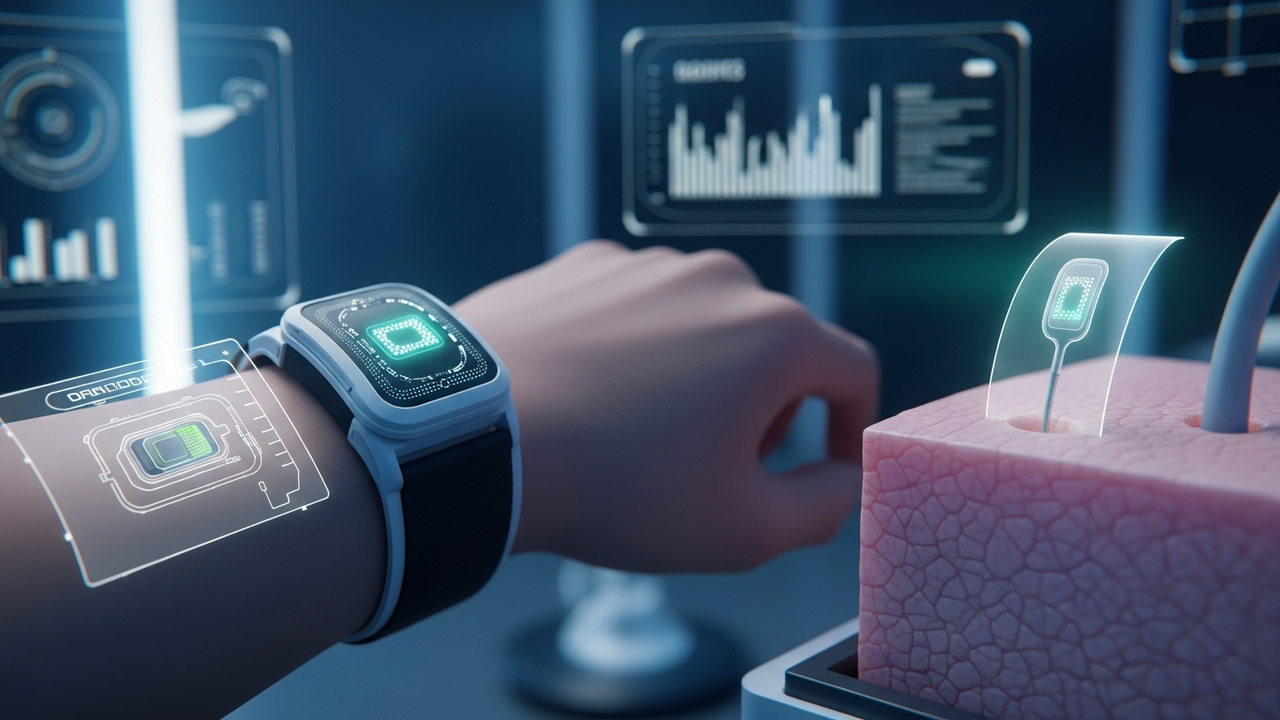
Wearable and implantable biosensor technology is experiencing a significant evolution, shifting from traditional glucose-centric continuous monitoring to a comprehensive, real-time assessment of a broader spectrum of metabolic, hormonal, and inflammatory biomarkers. This includes critical analytes such as lactate, ketones, uric acid, electrolytes, and cortisol. This paradigm shift promises profound insights into individual health states, with the potential to fundamentally transform chronic disease management and personalized medical approaches.
Technical and Clinical Details
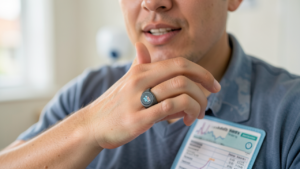
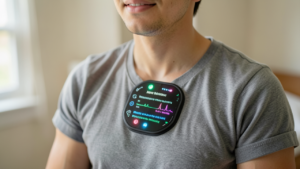
- Multiplex Biomarker Monitoring: Unlike previous CGM technologies focused primarily on glucose, next-generation sensors are capable of simultaneously and continuously measuring multiple non-glucose biomarkers. These include lactate, indicating exercise intensity and tissue oxygenation; ketones, reflecting lipid metabolism states; uric acid, associated with gout and kidney disease; essential electrolytes (e.g., sodium, potassium) for fluid balance and neurological function; and cortisol, a key stress response indicator.
- Non-Invasive or Minimally Invasive Approaches: Wearable sensors primarily function non-invasively by analyzing sweat, tears, or transdermal signals, while implantable sensors use miniaturized probes for minimally invasive analysis of interstitial fluid. This design minimizes patient burden while continuously collecting rich physiological data.
- Visualization of Dynamic Physiological Changes: Intermittent testing provides only momentary snapshots. In contrast, continuous monitoring elucidates the real-time, dynamic impact of daily life factors such as diet, exercise, sleep, and stress on biomarker levels. This granular information is critical for understanding disease progression patterns, individual drug responses, and the efficacy of health interventions.
- Contribution to Precision Medicine: By continuously tracking an individual’s unique biomarker profile, clinicians can develop more personalized diagnoses, optimize treatment regimens, and formulate proactive preventive strategies. For instance, detecting early elevations in inflammatory markers could enable interventions before chronic inflammatory conditions exacerbate.
Background and Industry Context
With the global rise in chronic disease prevalence and increasing demand for personalized preventive medicine, biosensor technology is recognized as a cornerstone of future healthcare. Comprehensive health monitoring is crucial for early diagnosis and effective disease management, particularly in the context of growing lifestyle-related diseases and an aging population. Advancements in this field will also influence the consumer health device market, meeting the demand for more sophisticated self-management tools. Regulatory bodies are also progressing towards establishing evaluation criteria for the accuracy and safety of these diverse biomarker sensors.
Strategic Significance and Outlook
The capability to continuously monitor a wide array of non-glucose biomarkers will expand applications across sports science, nutrition, stress management, and even early detection and management of neuropsychiatric conditions. Looking ahead, data from these sensors is expected to integrate with artificial intelligence (AI) to construct “digital twins” of individuals, enabling ultra-early prediction of disease risks and suggestions for optimal intervention timing. This shift will move the focus of healthcare from mere disease management to genuine health promotion and wellness enhancement, providing powerful tools to optimize individual health throughout life. Alongside technological evolution, ensuring ethical considerations and data privacy will remain paramount.
Get our weekly technology intelligence — free
Receive an infographic that lets you judge at a glance whether each field’s analysis report is worth reading.
Subscribe Free — Weekly Tech Intelligence
By subscribing, you’ll receive Troy-Technical’s weekly technology intelligence newsletter.
- Your email and selected fields are used only to deliver the newsletter.
- We never share your information with third parties.
- You can unsubscribe anytime via the link in each email.
See our Privacy Policy for details.
Takes about a minute · Unsubscribe anytime




Comments