Key Findings
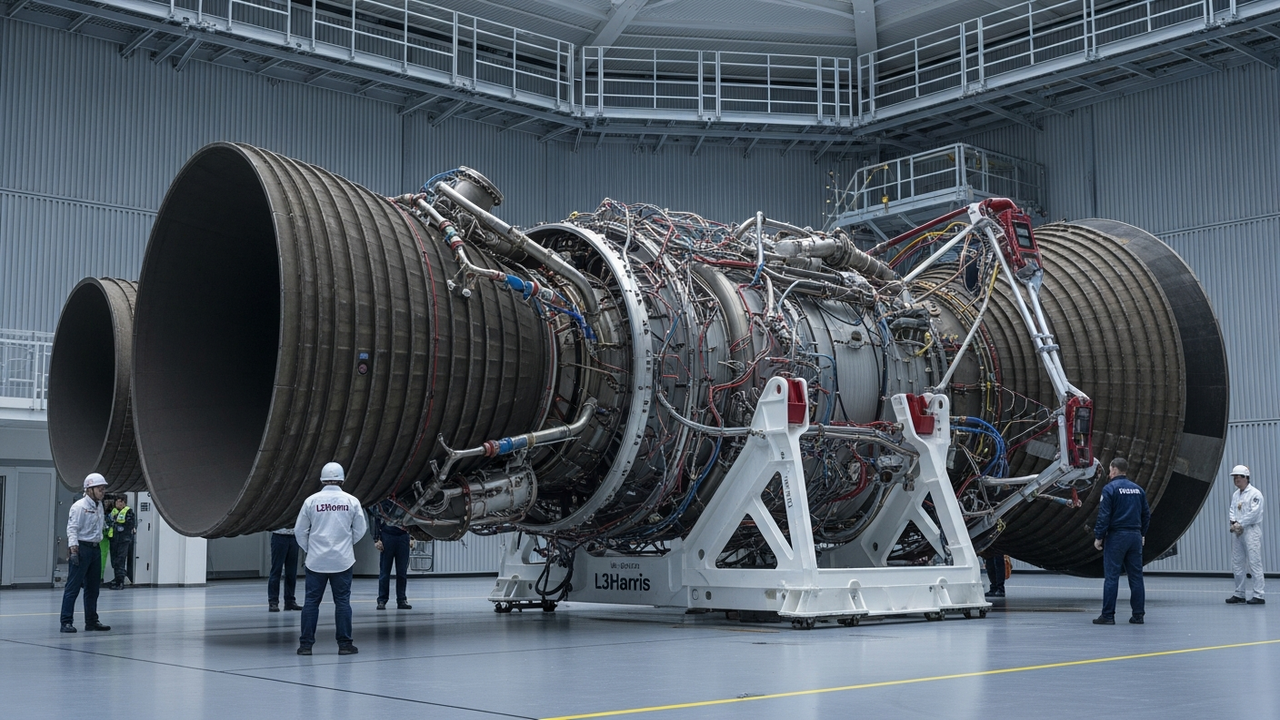
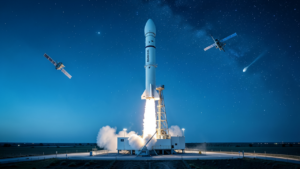
On July 22, 2026, L3Harris Technologies announced the successful delivery of four RS-25 engines designated for the core stage of NASA’s Space Launch System (SLS) rocket, slated for the Artemis III mission. These engines, further refined from those previously used in the Space Shuttle Program, now incorporate state-of-the-art modern electronics and new insulation. This upgrade optimizes the SLS’s propulsion capabilities for the Artemis III mission, marking a crucial step towards NASA’s ambitious goal of returning humans to the lunar surface.
Technical Details
The delivered RS-25 engines are high-performance liquid-fueled rocket engines, originally designed as the Space Shuttle’s main engines. L3Harris has modernized these engines to meet the stringent demands of the Artemis program. Key upgrades include, firstly, the integration of ‘modern electronics.’ This refers to advanced digital control systems that enable real-time monitoring, diagnostics, and precise thrust vector control of the engines. Secondly, the adoption of ‘new insulation materials’ enhances the engines’ durability and reliability, particularly in environments exposed to cryogenic propellants and extreme temperature variations. These enhancements allow for operation at higher thrust levels compared to the legacy RS-25 engines, thereby boosting the SLS’s capacity to launch heavier payloads into deep space.
Background & Context
NASA’s Artemis program is an international space exploration initiative aiming to land humans on the Moon for the first time in half a century, since the Apollo missions. The SLS rocket serves as the cornerstone heavy-lift launch vehicle for this program, and its performance is critical to mission success. The RS-25 engines are vital propulsion components of the SLS core stage, making their reliability and performance of utmost importance. This delivery of upgraded engines by L3Harris signifies significant progress in the overall Artemis program and directly contributes to the strengthening of U.S. and international deep-space exploration capabilities.
Strategic Significance & Outlook
The Artemis III mission is poised to be NASA’s first crewed lunar landing mission since Apollo, and this engine delivery is a pivotal milestone in its preparation. The performance and reliability of L3Harris’s RS-25 engines will form the foundation for even more ambitious deep-space exploration plans, including future human missions to Mars. The continuous improvement of this propulsion technology enhances space transportation’s safety, efficiency, and capability, indirectly benefiting the commercial space industry. Investors in the space sector should note that companies providing such foundational technologies are well-positioned to reap long-term growth benefits from the expanding scope of space exploration.
Get our weekly technology intelligence — free
Receive an infographic that lets you judge at a glance whether each field’s analysis report is worth reading.
Subscribe Free — Weekly Tech Intelligence
By subscribing, you’ll receive Troy-Technical’s weekly technology intelligence newsletter.
- Your email and selected fields are used only to deliver the newsletter.
- We never share your information with third parties.
- You can unsubscribe anytime via the link in each email.
See our Privacy Policy for details.
Takes about a minute · Unsubscribe anytime




Comments