Key Findings
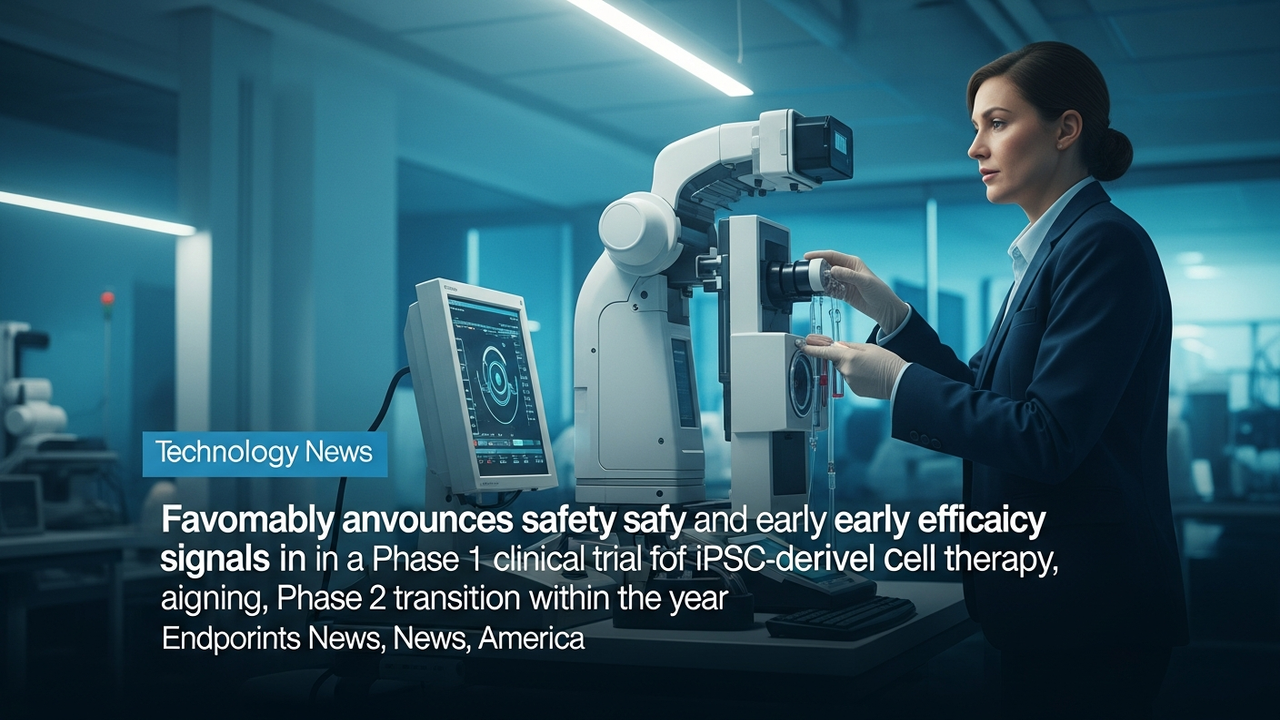
A cell therapy development company has announced that its Phase 1 clinical trial for an iPSC-derived cell therapy targeting a specific ocular disease has yielded promising safety data and initial signals of efficacy. This development represents a crucial step towards demonstrating the feasibility of iPSC-based retinal cell regeneration therapy.
Technical / Clinical Details
This iPSC-derived cell therapy aims to restore visual function by differentiating induced pluripotent stem cells (iPSCs), generated from the patient’s somatic cells, into specific retinal cell types and then transplanting them into damaged retinal tissue. The Phase 1 clinical trial, conducted in a small cohort of patients, primarily assessed the safety and tolerability of the treatment. Reported data showed favorable safety, with no severe adverse events or immune rejection observed. Furthermore, early efficacy signals, such as improved visual acuity and stabilization of retinal structure, were noted in some patients, suggesting potential retinal cell regeneration. Based on these findings, the company plans to transition to a larger-scale Phase 2 clinical trial within the current year.
Background & Context
Ocular diseases like Age-related Macular Degeneration (AMD) and Retinitis Pigmentosa are leading causes of blindness worldwide. Existing treatments can often slow disease progression but rarely restore lost visual function. Regenerative medicine using iPSC technology offers the potential for a curative approach to these intractable eye diseases by creating functional retinal cells from a patient’s own cells for transplantation. The success of this Phase 1 trial represents a significant breakthrough in the clinical development of this field, offering new hope to patients.
Strategic Significance & Outlook
The encouraging Phase 1 results provide substantial momentum for the future development of iPSC-derived retinal cell therapy. Further validation of efficacy and safety in Phase 2 trials will explore the potential for broader patient application of this treatment. If successful, this technology could induce a paradigm shift in ophthalmic regenerative medicine, and, in the long term, pave the way for advancements in iPSC-based regenerative therapies for other organs.
Source: #
Get our weekly technology intelligence — free
Receive an infographic that lets you judge at a glance whether each field’s analysis report is worth reading.
Subscribe Free — Weekly Tech Intelligence
By subscribing, you’ll receive Troy-Technical’s weekly technology intelligence newsletter.
- Your email and selected fields are used only to deliver the newsletter.
- We never share your information with third parties.
- You can unsubscribe anytime via the link in each email.
See our Privacy Policy for details.
Takes about a minute · Unsubscribe anytime