Key Findings
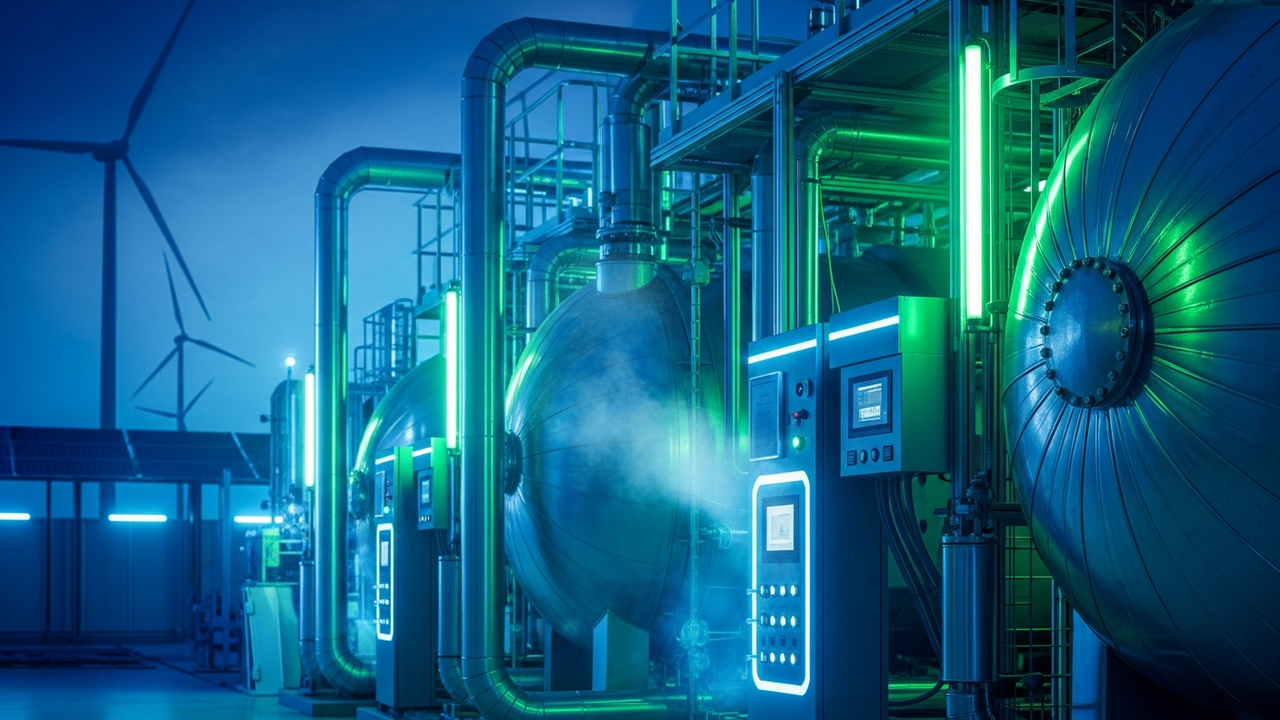
Enerzi underscores the pivotal role of hydrogen electrolyzers in leveraging surplus electricity from renewable energy sources to produce and store clean energy as hydrogen gas. This technology is critical for supporting the decarbonization efforts of hard-to-abate industries, including steel, cement, and chemical manufacturing, by enabling them to replace traditional fossil fuels like coal and natural gas with green hydrogen as a clean alternative. This approach offers a viable pathway for these industries to significantly reduce their CO2 emissions and accelerate their transition to a sustainable future.
Technical / Clinical Details
- Clean Energy Storage: Hydrogen electrolyzers convert surplus electricity from intermittent renewable sources such as solar and wind into chemical energy in the form of hydrogen gas. This process stabilizes the electricity grid and maximizes the utilization efficiency of renewable energy. The stored hydrogen can then be converted back to electricity or used directly as fuel, providing flexibility and reliability to energy systems.
- Decarbonization of Hard-to-Abate Industries:
- Steel Manufacturing: Traditional steel production, relying on coke and coal as reducing agents, generates vast amounts of CO2. Utilizing green hydrogen as a reducing agent in Direct Reduced Iron (DRI) processes can virtually eliminate CO2 emissions from steelmaking, offering a revolutionary shift.
- Cement Manufacturing: Cement production is a major source of process-related CO2 emissions from limestone calcination. Green hydrogen can serve as a clean heat source for this calcination process or potentially even as a feedstock component in the future, contributing to significant emission reductions.
- Chemical Manufacturing: The production of chemicals like ammonia and methanol currently heavily depends on hydrogen derived from natural gas (‘grey hydrogen’). Switching to green hydrogen can dramatically reduce the life-cycle emissions of these essential chemical products, supporting a greener chemical industry.
Background & Context
A significant portion of global CO2 emissions originates from power generation and industrial processes. Heavy industries like steel, cement, and chemical manufacturing are particularly challenging to decarbonize due to their high energy demands and process-specific emissions. While these industries are indispensable to the global economy, they have historically faced a dilemma in achieving clean production with conventional technologies. Green hydrogen technology has emerged as a leading solution, offering a viable path for these industries to transition towards a sustainable future, gaining substantial international attention and investment.
Strategic Significance & Outlook
The production of green hydrogen via electrolyzers is poised to accelerate the deployment of renewable energy and play a central role in the decarbonization roadmaps of entire industrial sectors. The widespread adoption of this technology will enable the steel, cement, and chemical industries to reduce their reliance on coal and natural gas, thereby significantly lowering their environmental footprint. As Enerzi emphasizes, this represents a crucial aspect of the energy transition, forming a fundamental pillar for building cleaner and more sustainable industrial economies worldwide, with far-reaching environmental and economic benefits.
Source: https://enerzi.co/how-hydrogen-production-electrolyzer-reduce-carbon-emissions/
Get our weekly technology intelligence — free
Receive an infographic that lets you judge at a glance whether each field’s analysis report is worth reading.
Subscribe Free — Weekly Tech Intelligence
By subscribing, you’ll receive Troy-Technical’s weekly technology intelligence newsletter.
- Your email and selected fields are used only to deliver the newsletter.
- We never share your information with third parties.
- You can unsubscribe anytime via the link in each email.
See our Privacy Policy for details.
Takes about a minute · Unsubscribe anytime